


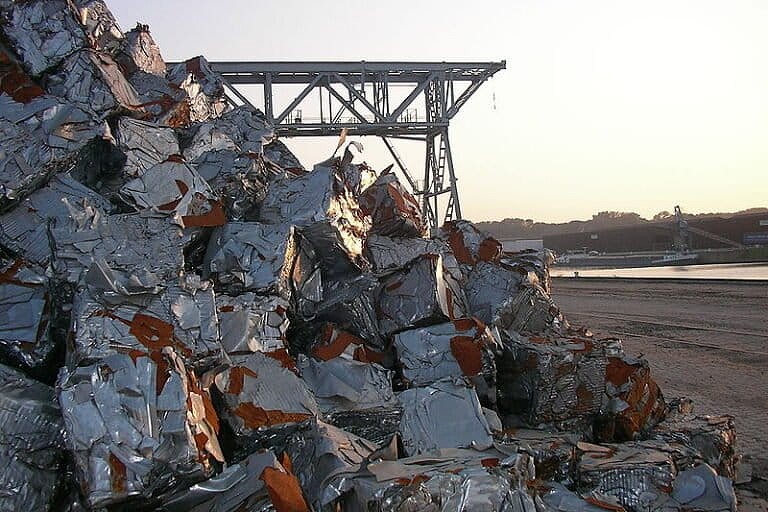
As resource nationalism accelerates worldwide, a growing number of countries are implementing export restrictions on copper scrap. These policies aim to secure critical raw materials for domestic manufacturing and the green energy transition. While protectionist measures seek to bolster local smelting capacity, industry experts warn they could severely disrupt global trade flows and weaken domestic recycling ecosystems. With copper demand surging due to electrification, electric vehicles, and renewable energy infrastructure, the international scramble for secondary metal has turned scrap policy into a critical battleground for industrial supply chains.
The Rising Wave of Resource Nationalism
Governments worldwide are increasingly viewing secondary metals through the lens of national security and economic self-sufficiency. Copper scrap represents a vital, energy-efficient source of refined metal that bypasses carbon-intensive mining processes. However, as major consuming nations vie for control over constrained material flows, traditional export corridors face mounting regulatory friction.
Proponents of export curbs argue that keeping scrap onshore protects local metallurgical industries and lowers input costs for domestic manufacturers. They also claim it ensures critical materials support local value chains instead of feeding foreign competitors. Yet, these measures often fail to account for structural mismatches between local collection volumes and domestic processing capabilities.
Impact on Domestic Recycling Networks and Profit Margins
When governments clamp down on scrap exports without adequate domestic capacity to absorb the surplus, local market consequences follow quickly. A sharp drop in domestic scrap prices often ensues.
Compressed Margins: Local scrap collectors and independent yards face sudden revenue contractions. Overseas buyers are locked out, and domestic demand proves insufficient to clear the volume.
Deteriorated Sorting Quality: Lower financial returns disincentivize workers and businesses from investing time and labor into high-grade sorting. This ultimately reduces the overall quality of available secondary metal.
Investment Withdrawal: Heightened regulatory uncertainty and shrinking profit margins drain liquidity from the recycling sector. This discourages long-term capital investments in advanced sorting technologies and recycling infrastructure.
Navigating Global Market Fragmentation
The shift toward restrictive trade policies is forcing traders, manufacturers, and metal processors to reconfigure procurement strategies. Rather than relying on traditional open-market liquidity, market participants are being pushed toward complex compliance frameworks, bilateral supply agreements, and localized processing partnerships.
At the same time, regional market fragmentation is deepening. Major import hubs and exporting nations are experiencing divergent pricing pressures, widening spreads between primary and secondary grades, and increasing compliance overheads. As administrative hurdles multiply, the efficiency of global secondary copper flows takes a backseat to geopolitical and regulatory containment.

Market Impact
○ Impacted Metals: Copper Scrap, No. 1 Copper Wire, Brass Scrap, Secondary Refined Copper
○ Direction: Volatile
○ Time Horizon: 2026–2027
○ Affected Industries: Recycling, Metal Smelting, Wire and Cable Manufacturing, Electrical Equipment, Automotive, Renewable Energy
○ Related Price Reports: Copper Weekly Price Report
○ Watch Item: Monitor upcoming trade policy announcements and export licensing updates from major non-ferrous scrap exporting nations for signs of sudden volume bottlenecks.
SuperMetalPrice Commentary:
While export restrictions are designed to secure domestic industrial advantages, they risk choking the very recycling networks essential for the global energy transition. Policymakers must balance resource security with market liquidity to prevent long-term damage to secondary metal supply chains.





Leave a Reply
You must be logged in to post a comment.