


Electric Arc Furnace Transition Reshapes Steel Production at Kyushu Works
The electric arc furnace transition marks a major shift in global steelmaking strategy. Nippon Steel has started replacing blast furnace operations at its Kyushu Works. This move strengthens its long-term decarbonization goals.
The company will install a large-scale electric arc furnace with 2 million tons annual capacity. It plans to begin production in fiscal year 2028/2029. The project integrates secondary refining and continuous casting systems. As a result, Nippon Steel aims to produce high-quality steel at scale using EAF technology.
Meanwhile, the total investment reaches 630.2 billion yen, or $3.97 billion. Government support may cover up to 179.9 billion yen. This funding highlights strong public backing for low-carbon steel initiatives.
Electric Arc Furnace Transition Expands Capacity and Global Reach
The electric arc furnace transition also supports broader capacity expansion plans. Nippon Steel will add two more EAF units at Setouchi and Yamaguchi Works. These facilities will contribute an additional 900,000 tons of annual capacity.
Furthermore, the company plans to invest 6 trillion yen over five years. This strategy includes nearly $11 billion allocated to US Steel. The investment strengthens its international footprint and growth potential.
Nippon Steel targets global production capacity above 100 million tons by 2030. It expects rising steel demand from developing markets like India. Therefore, the company aligns its expansion with emerging economic growth trends.
Green Steel Push Gains Momentum with EAF Technology
The electric arc furnace transition supports the global push for green steel production. EAF technology reduces carbon emissions compared to traditional blast furnaces. As a result, steelmakers increasingly adopt this method to meet ESG targets.
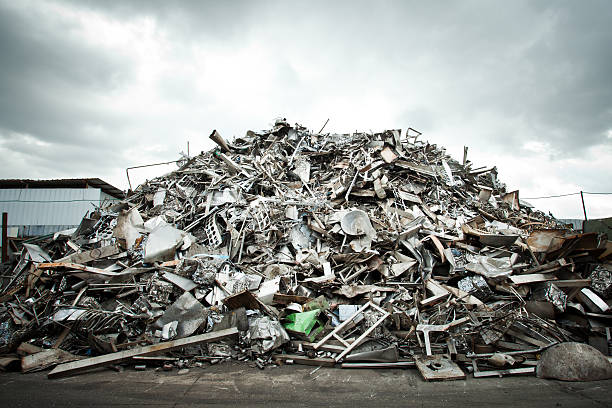
However, EAF production depends heavily on scrap availability and electricity costs. Companies must secure stable supply chains to maintain efficiency. Despite these challenges, industry momentum toward cleaner steel continues to grow.
SuperMetalPrice Commentary:
The electric arc furnace transition reflects a decisive shift toward sustainable steelmaking. Nippon Steel positions itself at the forefront of this transformation with aggressive investment and expansion. However, success will depend on scrap supply stability and energy costs. As global demand rises, EAF adoption will likely accelerate across major steel producers.


Leave a Reply
You must be logged in to post a comment.