


European aluminium producers are navigating a challenging environment marked by structural energy disadvantages and shifting trade dynamics. Yet, the sector continues to demonstrate crucial industrial adaptability. Paul Voss, Director General of European Aluminium, recently characterized the region’s producers as resilient as they contend with cost pressures and regulatory hurdles. Despite capacity curtailments driven by power price volatility, European smelters are maintaining strategic production lines vital for automotive and construction supply chains.
Structural Pressures and Energy Cost Disadvantages
The primary challenge facing European aluminium smelters remains structural electricity costs that outpace international competitors in Asia and the Americas. Energy-intensive primary smelting requires competitive power pricing to remain viable. While wholesale power markets have retreated from historic peaks, regulatory burdens and carbon adjustments continue to squeeze profit margins. Industry advocacy groups are pressing policymakers for dedicated industrial power tariffs to prevent permanent de-industrialization.
The Pivotal Role of Low-Carbon and Recycled Aluminium
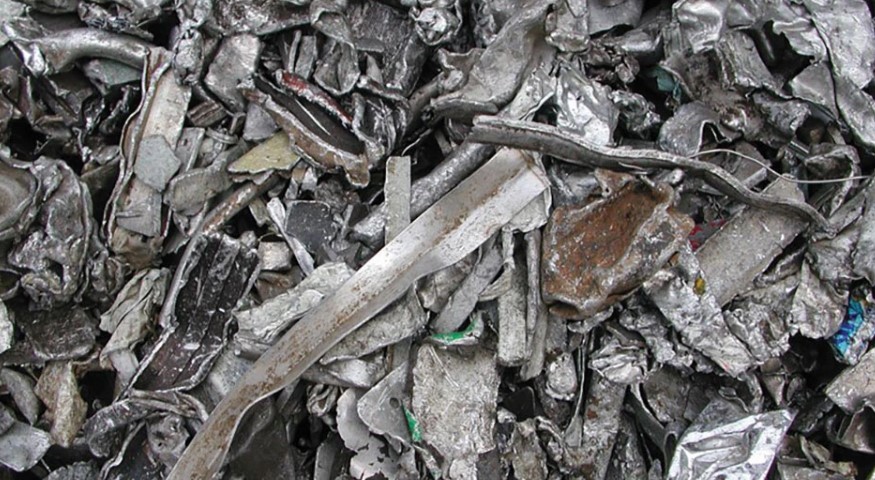
Amid primary production constraints, European market participants are pivoting toward secondary production and aluminium scrap recycling. Circular economy initiatives are accelerating demand for recycled metal, which requires less energy to produce than primary metal. European recyclers are upgrading sorting technologies to handle complex scrap streams, ensuring domestic manufacturers retain access to green inputs. This strategic shift mitigates carbon compliance costs and shields buyers from external supply chain disruptions.
Trade Policy and Strategic Supply Security
Trade policy instruments play a critical role in protecting domestic producers from dumped imports and unfair global competition. European Aluminium continues to engage with Brussels regulators to ensure that trade defenses properly reflect environmental standards. As global demand for critical raw materials accelerates, policymakers face pressure to balance decarbonization goals with industrial competitiveness. Ensuring a stable regional supply of aluminium is viewed as essential for European strategic autonomy, particularly within the electric vehicle sector.

Market Impact
○ Impacted Metals: Primary Aluminium, Secondary Aluminium, Aluminium Scrap, Low-Carbon Aluminium Extrusions
○ Direction: Mixed
○ Time Horizon: 12–18 months
○ Affected Industries: Automotive, Construction, Packaging, Electrical, Aerospace, Renewable Energy
○ Related Price Reports: Aluminum Weekly Price Report
○ Watch Item: Monitor upcoming EU regulatory decisions regarding industrial power pricing support and carbon border adjustment implementation.
SuperMetalPrice Commentary:
The European aluminium sector’s ability to weather structural energy headwinds relies heavily on accelerating its transition toward scrap-based recycling and low-carbon production. Market participants must monitor whether regulatory relief arrives soon enough to protect remaining primary capacity.



Leave a Reply
You must be logged in to post a comment.