


Aerospace metals demand could face new uncertainty as Middle East airspace restrictions, flight cancellations, and jet fuel supply risks pressure airline profitability and long-haul operations. The immediate impact on titanium, superalloys, hafnium, and tungsten is expected to be limited, but prolonged disruption could delay aircraft orders, MRO activity, and future build-rate recovery.
Airspace Restrictions Raise Pressure on Airlines
Airlines operating through the Middle East corridor are facing higher operating risk as airspace restrictions affect major long-haul routes. Wide-body aircraft used on Europe-Asia and intercontinental services are the most exposed because rerouting can increase fuel burn, flight time, crew costs, and maintenance pressure.
The risk is not only geopolitical. Jet fuel availability is also becoming a concern, especially for European carriers that rely on supply chains linked to the Strait of Hormuz. If fuel shortages worsen during May and June, airlines could reduce schedules, delay discretionary spending, or review near-term fleet decisions.
Lufthansa Group has already announced major short-haul flight reductions for May to October, while also accelerating retirement of older A340-600 and Boeing 747-400 aircraft. However, aerospace manufacturers and suppliers remain cautious about assuming a major wave of retirements because global aircraft capacity remains tight.

Titanium Demand Recovery Could Be Delayed
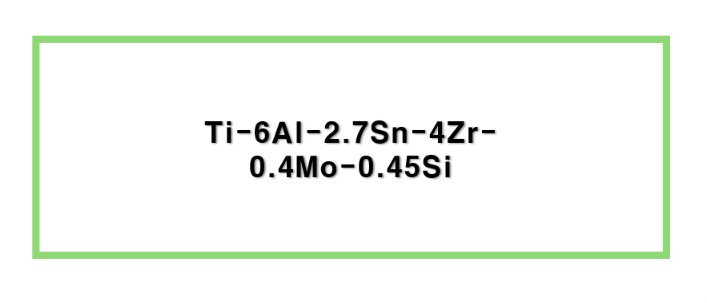
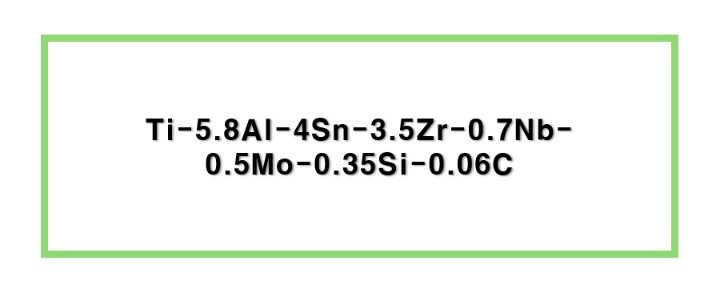
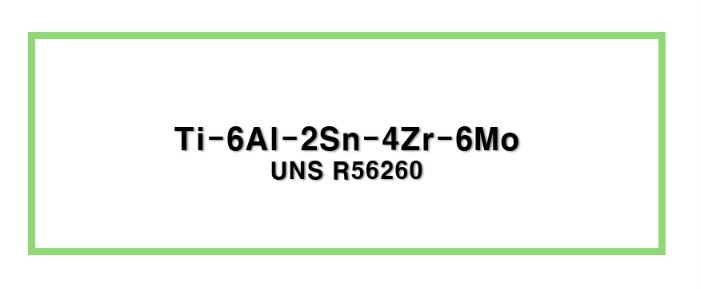
Titanium is the aerospace metal most exposed to any delay in aircraft build-rate recovery. Aerospace-grade titanium, especially Ti-6Al-4V, depends heavily on Airbus and Boeing production schedules, engine programs, fuselage sections, landing gear systems, and structural components.
The titanium market was already dealing with a slow recovery. Aircraft production bottlenecks, shortages of engines and fuselage sections, and downstream inventory buildup have weighed on titanium ingot and semi-finished product demand. If airlines delay optional deliveries or reduce new order activity, the expected titanium demand recovery in late 2026 or 2027 could be pushed further out.
Still, the effect would not be immediate. Aircraft order books stretch many years into the future, and airlines are unlikely to exit scarce delivery slots quickly. The more important signal for titanium buyers and recyclers will be whether Airbus and Boeing change build-rate targets.
Superalloys, Hafnium and Tungsten Remain Better Supported
High-temperature alloys and superalloy inputs used in jet engines appear less exposed in the near term. Engine manufacturers are already behind on deliveries, and MRO demand for legacy engines continues to support consumption of nickel alloys, cobalt alloys, tungsten, hafnium, and other high-temperature materials.
Hafnium remains especially tight because of limited metal unit availability and strong aerospace and industrial gas turbine demand. Tungsten also remains under supply pressure due to reduced concentrate production and limited Chinese exports. These supply-side constraints mean that even if airline demand weakens, prices for certain high-temperature metals may remain resilient.
The key difference is that titanium is more directly tied to airframe build rates and inventory cycles, while hafnium, tungsten, and superalloy inputs are more supported by engine backlogs, maintenance demand, and restricted supply.
Market Impact
○ Impacted Metals: Ti-6Al-4V, Grade 5 titanium ingot, titanium mill products, hafnium, tungsten ingot, nickel superalloys, cobalt superalloys
○ Direction: Mixed
○ Time Horizon: 12–18 months
○ Affected Industries: Aerospace, Airlines, MRO, Jet engines, Defence, Industrial gas turbines
○ Related Price Reports: Titanium Alloy Weekly Price Report, Nickel Alloy Weekly Price Report, Cobalt Alloy Weekly Price Report, Tungsten Weekly Price Report
○ Watch Item: Airbus and Boeing build-rate guidance will be the most important signal for aerospace titanium demand.
SuperMetalPrice Commentary
The aerospace metals market is not facing an immediate demand shock, but the risk profile has changed. Titanium suppliers should watch airline profitability and aircraft production guidance closely because a delay in build-rate recovery would matter more than short-term flight cancellations.
For high-temperature metals, the picture is different. Hafnium, tungsten, and superalloy inputs remain supported by supply constraints and engine-sector demand, meaning aerospace disruption may create a divided market: softer titanium recovery, but continued strength in strategic high-temperature materials.



Leave a Reply
You must be logged in to post a comment.