


Copper prices climbed sharply on the London Metal Exchange (LME), approaching record highs despite ongoing uncertainty surrounding the conflict between the United States and Iran. The rally highlights the market’s growing focus on tightening copper supply, falling inventories, and resilient industrial demand rather than geopolitical risk alone.
Copper rose 2.7% to settle at $13,943 per ton, surpassing its previous record closing level. Other base metals, including aluminum and nickel, also posted gains as traders continued to assess supply risks linked to the Middle East and global industrial demand trends.
Tight Copper Supply Supports Market Rally
Market participants said copper’s recent strength is increasingly driven by fundamentals rather than geopolitical headlines. Traders pointed to declining copper inventories in China and persistent supply tightness across global refined copper markets.
According to Jia Zheng of Suzhou Chuangyuan Harmony-Win Capital Management, the market has largely moved beyond the immediate impact of the US-Iran conflict. Instead, copper is following its own bullish price trend supported by constrained supply conditions and improving demand visibility.
Copper prices have gained roughly 12% since the end of 2025. Bullish sentiment also remained strong during a major metals industry gathering in Hong Kong last week.
China Demand and Energy Transition Boost Metals
China’s export growth has added further support to industrial metals demand. April exports rose 14% year-on-year, driven partly by shipments of electric vehicles, renewable energy equipment, and other clean-technology products that require large volumes of copper.
Analysts also noted that demand tied to energy transition infrastructure and defense manufacturing continues to strengthen the outlook for copper consumption. Citigroup analysts said these structural demand trends could help copper remain resilient even if disruptions around the Strait of Hormuz continue.
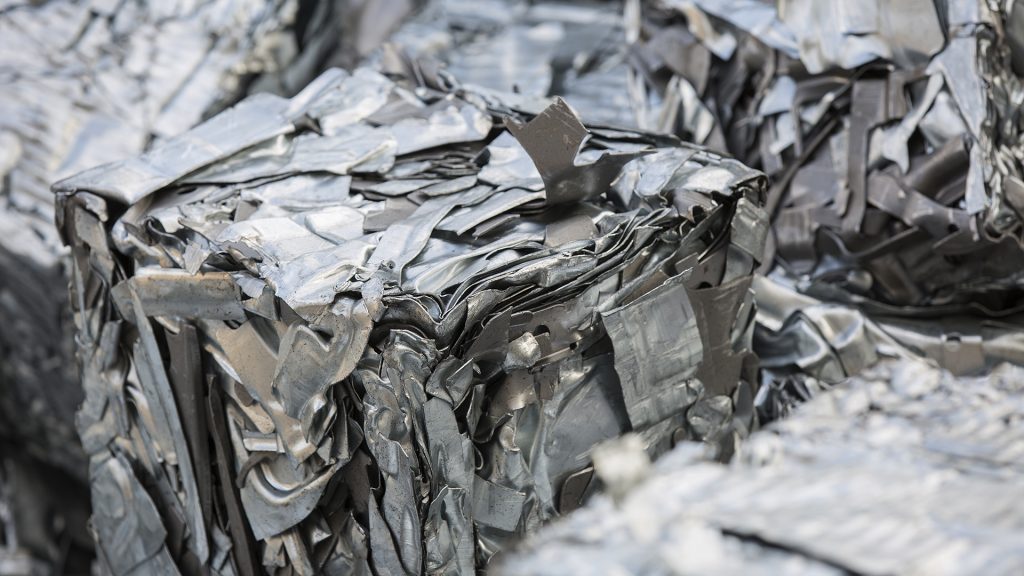
Meanwhile, regulatory changes in China’s metals financing sector have disrupted scrap availability. The tightening scrap supply has narrowed the usual discount between copper scrap and refined copper, adding further pressure to the refined market.
Aluminum and Nickel Markets Also Face Supply Risks
Aluminum prices rose more than 2%, while nickel gained 1.9% as traders monitored potential supply disruptions linked to the Strait of Hormuz.
The Gulf region hosts major aluminum smelters that depend on stable energy and raw material flows. Nickel producers also rely on sulfur supplies connected to Middle Eastern trade routes.
Morgan Stanley analysts said aluminum prices could receive additional support if transport disruptions or smelter curtailments intensify in the region. Restarting aluminum smelters after shutdowns typically requires significant time and cost, making supply losses difficult to replace quickly.

Market Impact
○ Impacted Metals: Refined copper cathode, copper scrap, aluminum ingot, primary nickel
○ Direction: Bullish
○ Time Horizon: Near-term to 2026
○ Affected Industries: Electric vehicles, renewable energy, defense, construction, power infrastructure, industrial manufacturing
○ Related Price Reports: Copper Weekly Price Report, Aluminum Weekly Price Report, Nickel Alloy Weekly Price Report
○ Watch Item: Monitor copper inventory trends in China and any prolonged disruption to Middle East shipping routes through the Strait of Hormuz.
SuperMetalPrice Commentary:
Copper’s rally shows that supply tightness and structural demand are outweighing geopolitical uncertainty in the current market cycle. Investors and industrial buyers are increasingly focused on inventory levels, scrap availability, and long-term electrification demand.
The strong performance across copper, aluminum, and nickel also signals broader confidence in industrial metals tied to energy transition and manufacturing growth. Continued disruptions to logistics or raw material flows could accelerate price volatility across base metals markets.


Leave a Reply
You must be logged in to post a comment.