


North American automotive OEMs are facing mounting margin pressure as raw material volatility disrupts cost structures across steel, aluminium, and battery materials. As supply chains shift under policies such as USMCA and the Inflation Reduction Act (IRA), manufacturers are grappling with rising input costs, regional price fragmentation, and increasing exposure to commodity-linked risks.
Electrification and Policy Shifts Drive Cost Uncertainty
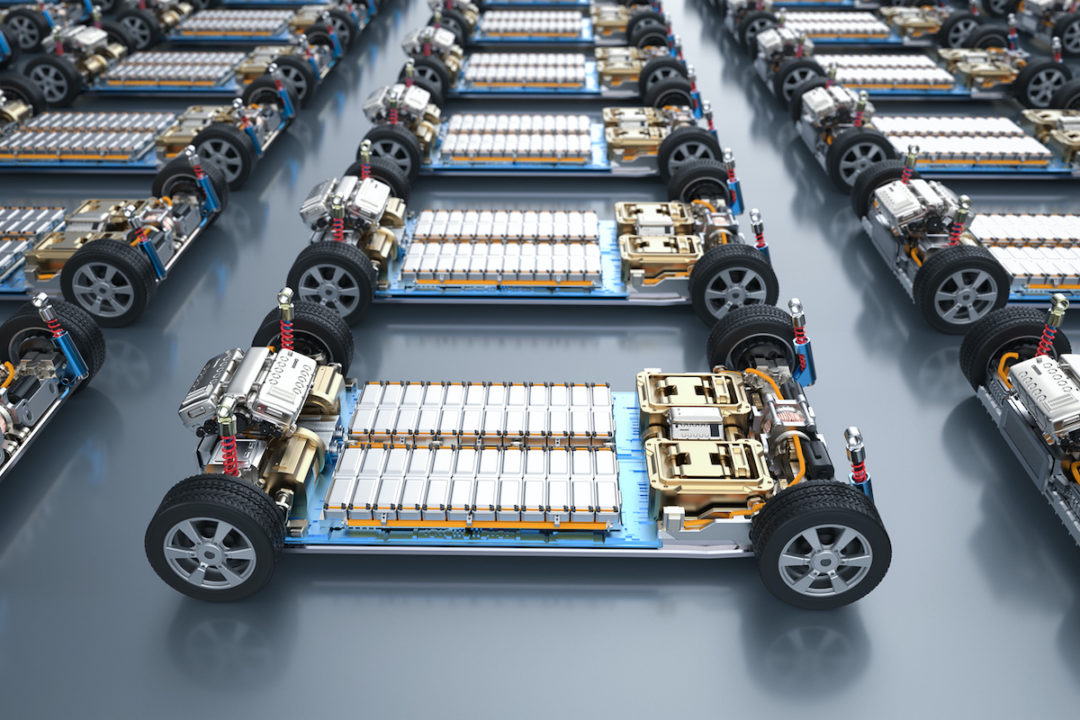
The transition toward electric vehicles increases reliance on critical battery materials. These include lithium, nickel, cobalt, manganese, and graphite. Demand for low-carbon steel and aluminium is also rising. This adds complexity to procurement strategies.
Trade policies and decarbonization measures are increasing cost pressures. US tariffs and IRA incentives are key drivers. Global mechanisms such as carbon pricing also reshape cost dynamics. These changes often create regional price differences.
Reshoring and localized supply chains aim to reduce import dependency. However, they also create new challenges. These include supply constraints and regional premiums. They also increase exposure to domestic policy changes.
Steel and Aluminium Markets Show Structural Price Divergence
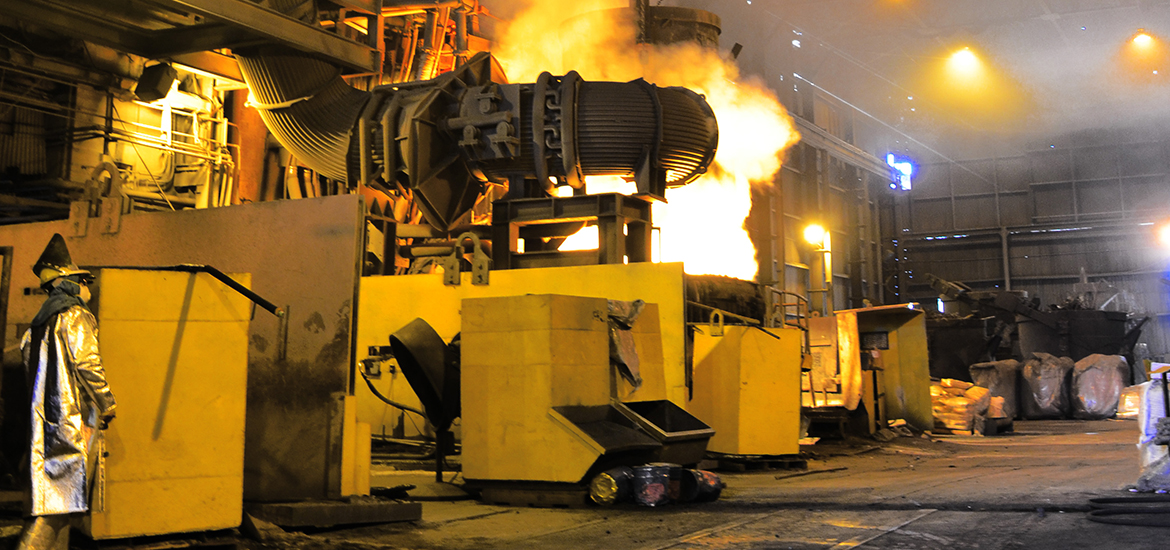
Steel markets in North America are experiencing widening regional price spreads, with tariffs supporting domestic producers and sustaining higher pricing levels. Increased demand from infrastructure, energy, and manufacturing sectors is driving higher shipments, while supply constraints continue to push costs upward.
Aluminium markets face similar dynamics, particularly for low-carbon products required to meet sustainability targets. Under USMCA rules, automotive manufacturers must source a significant portion of aluminium from North America, reinforcing regional supply tightness and premium pricing. Rising energy costs and geopolitical risks are also contributing to aluminium price volatility.
Battery Materials Add New Layer of Volatility
Battery materials remain one of the most volatile cost components for OEMs. Prices for cobalt, lithium, and nickel have experienced sharp fluctuations, driven by shifting demand, supply bottlenecks, and evolving EV strategies.
Automakers are adjusting their electrification plans in response to these uncertainties, balancing investments in full electric vehicles with hybrid models to maintain profitability. As EV adoption grows, stable access to battery materials and accurate cost forecasting are becoming critical to long-term planning.
Manufacturers are increasingly relying on data-driven strategies, including price benchmarks, forward forecasts, and supply chain analytics, to manage risk and strengthen negotiation leverage across procurement cycles.

Market Impact
○ Impacted Metals: Hot-rolled coil (HRC) steel, automotive-grade aluminium, lithium carbonate, nickel sulfate, cobalt sulfate, natural graphite
○ Direction: Volatile
○ Time Horizon: Near-term to Medium-term
○ Affected Industries: Automotive manufacturing, electric vehicles, battery production, steel manufacturing, aluminium processing
○ Related Price Reports: Steel Weekly Price Report, Aluminum Weekly Price Report, Lithium Weekly Price Report, Nickel Alloy Weekly Price Report, Cobalt Alloy Weekly Price Report
○ Watch Item: Monitor regional price spreads for steel and aluminium alongside battery material volatility as key drivers of OEM margin performance.
SuperMetalPrice Commentary:
Raw material volatility is becoming a structural challenge for automotive OEMs rather than a cyclical issue. The convergence of electrification, trade policy, and regionalization is fundamentally reshaping cost management strategies.
OEMs that integrate real-time pricing data, flexible sourcing strategies, and forward-looking procurement models will be better positioned to protect margins in an increasingly fragmented global metals market.





Leave a Reply
You must be logged in to post a comment.