


Eyes Above the Yard: AI-Powered Drones Transform Scrapyard Monitoring
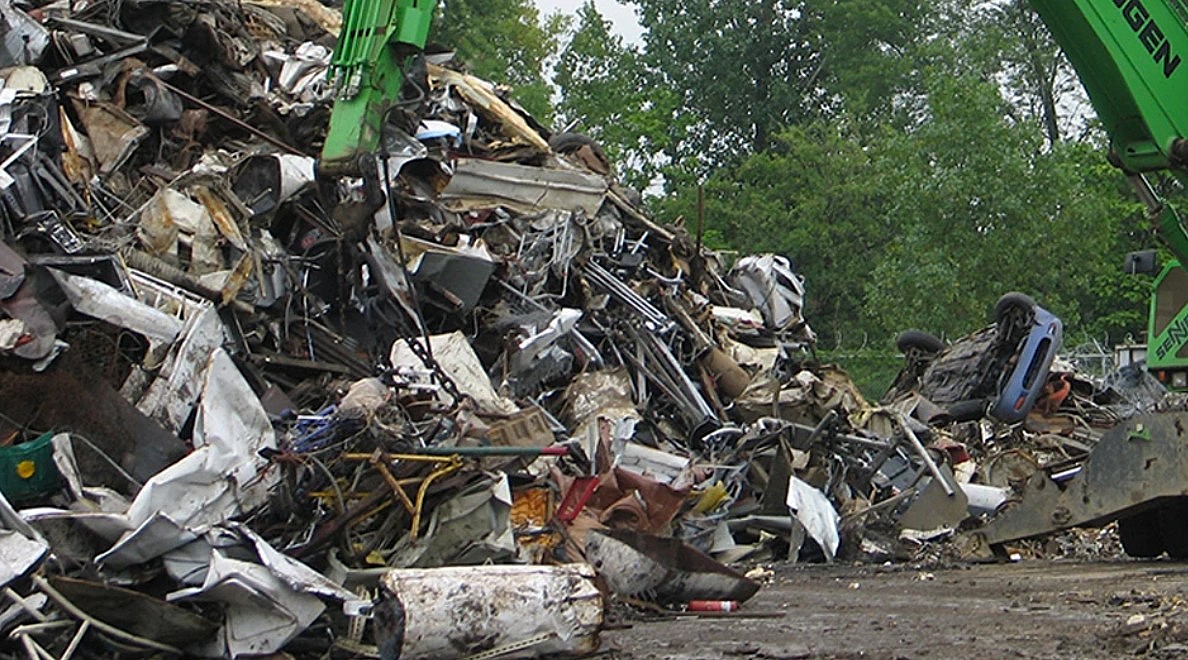
Metal recycling operations are rapidly adopting autonomous drone technology combined with artificial intelligence. Consequently, operators can optimize 24/7 inventory management, security, and hazard detection. Scrap management facilities face recurring operational bottlenecks. For example, they suffer from inaccurate stockpile estimates, high monitoring costs, and severe fire risks. However, by deploying AI-powered thermal imaging drones, yard operators can continuously monitor raw materials. As a result, this technology streamlines inventory audits and mitigates fire risks from battery contamination.
Automated Stockpile Auditing Elevates Yard Productivity
Traditionally, scrap yard inventory assessments relied heavily on manual visual estimates or periodic surveyor visits. Naturally, this practice created data lags and accounting discrepancies. Today, autonomous drones carry high-resolution optical cameras and LiDAR sensors along pre-programmed flight paths. Therefore, they quickly collect three-dimensional spatial data across vast storage acreage. Furthermore, AI algorithms process these volumetric scans within minutes. Specifically, the system converts aerial point clouds into precise weight estimates for ferrous scrap, non-ferrous alloys, and auto shredder residue (ASR). As a result, scrap processors gain real-time visibility into material flows, which facilitates accurate raw material purchasing.
Thermal Sensing Mitigates Thermal Risks and Battery Fires
Recently, the rapid rise of lithium-ion battery contamination has significantly escalated fire hazards across the recycling sector. To address this risk, thermal imaging payloads on AI drones continuously scan stockpiles for subtle temperature spikes. These heat patterns often signal internal thermal runaway or localized overheating. Upon detecting a suspicious heat signature, the software automatically alerts site managers. In addition, it pinpoints the exact GPS coordinates of the hot spot. Thanks to this early warning capability, yard personnel can isolate compromised material before open combustion occurs. Ultimately, this proactive approach helps operators avoid catastrophic property loss, costly downtime, and rising insurance premiums.
Enhancing Perimeter Security and Scrap Traceability
Beyond inventory management and fire prevention, AI-driven aerial surveillance strengthens security across expansive industrial yards. For instance, autonomous drones deliver automated perimeter patrols during off-peak hours. In doing so, they utilize computer vision to detect unauthorized entry, equipment tampering, or theft. Furthermore, integrating drone data into enterprise resource planning (ERP) platforms allows managers to map exact material locations down to specific storage bays. Consequently, this granular level of traceability accelerates loading operations for outgoing barge, rail, and truck freight. As a result, facilities directly boost overall logistics throughput for secondary metal suppliers.

Market Impact
○ Impacted Metals: Ferrous Scrap (HMS 1/2, Shredded), Non-Ferrous Scrap (Zorba, Twitch, Aluminum Cuttings), Copper Scrap (Berry, Bare Bright)
○ Direction: Bullish
○ Time Horizon: Medium-term
○ Affected Industries: Metal Recycling, Steelmaking, Aluminum Smelting, Foundry Operations, Scrap Processing
○ Related Price Reports: Aluminum Scrap Weekly Price Report, Copper Scrap Weekly Price Report, Ferrous Scrap Weekly Price Report
○ Watch Item: Monitor the commercial adoption rate of drone thermal imaging systems across major scrap processing networks to gauge operational cost reductions and fire insurance savings.
SuperMetalPrice Commentary:
The integration of autonomous AI drones into scrapyard operations represents a major structural shift toward digital logistics and risk mitigation in the secondary metals sector. As lithium-ion battery contamination poses an escalating operational threat to scrap processors, thermal drone monitoring moves from a technological novelty to essential operational infrastructure.
Yard operators who successfully deploy these real-time volumetric and safety tracking tools will achieve superior inventory accuracy, reduced insurance overhead, and faster freight turnover, establishing a distinct competitive edge in the increasingly tight secondary metal market.


Leave a Reply
You must be logged in to post a comment.