


1. Introduce – Europium does not occur in nature in its pure metallic form but coexists with other lanthanide elements within complex minerals such as monazite and bastnäsite. – Typically, the separation and purification of europium involve advanced solvent extraction and multi-stage reduction processes applied to these raw minerals to produce high-purity europium oxide (Eu₂O₃). – The resulting high-purity europium oxide is a critical material in the display and lighting industries; its unique electronic structure provides exceptional red-light emission, making it an indispen...
Premium content
This content is available to subscribed members only.
Please log in or subscribe to continue reading.
LoginSubscribe Now





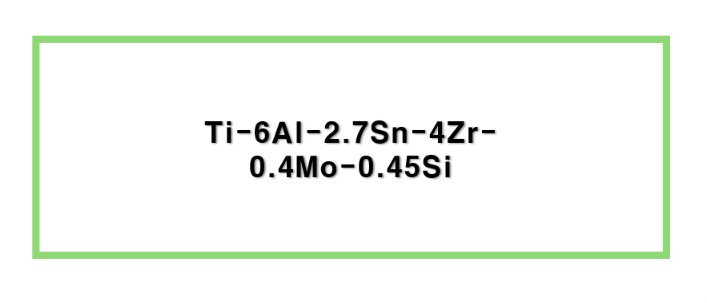
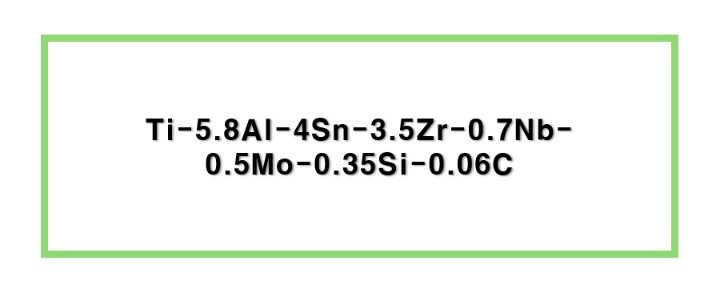
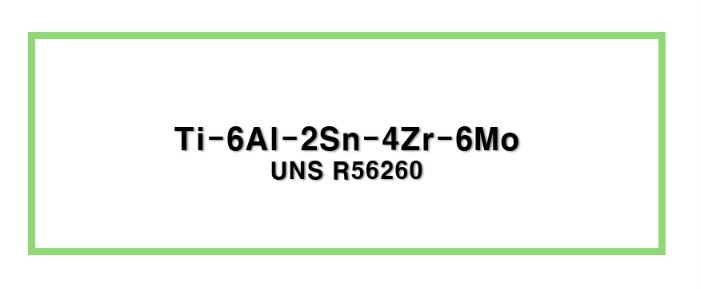
Leave a Reply
You must be logged in to post a comment.