


Argentina’s copper mining sector is entering a major investment cycle, with projects worth tens of billions of dollars advancing as the country positions itself to become a top-tier global copper producer. Backed by sweeping investment reforms and rising demand for energy transition materials, Argentina is attracting global miners despite persistent political, environmental, and provincial-level risks.
Argentina Emerges as a Major Copper Investment Hub
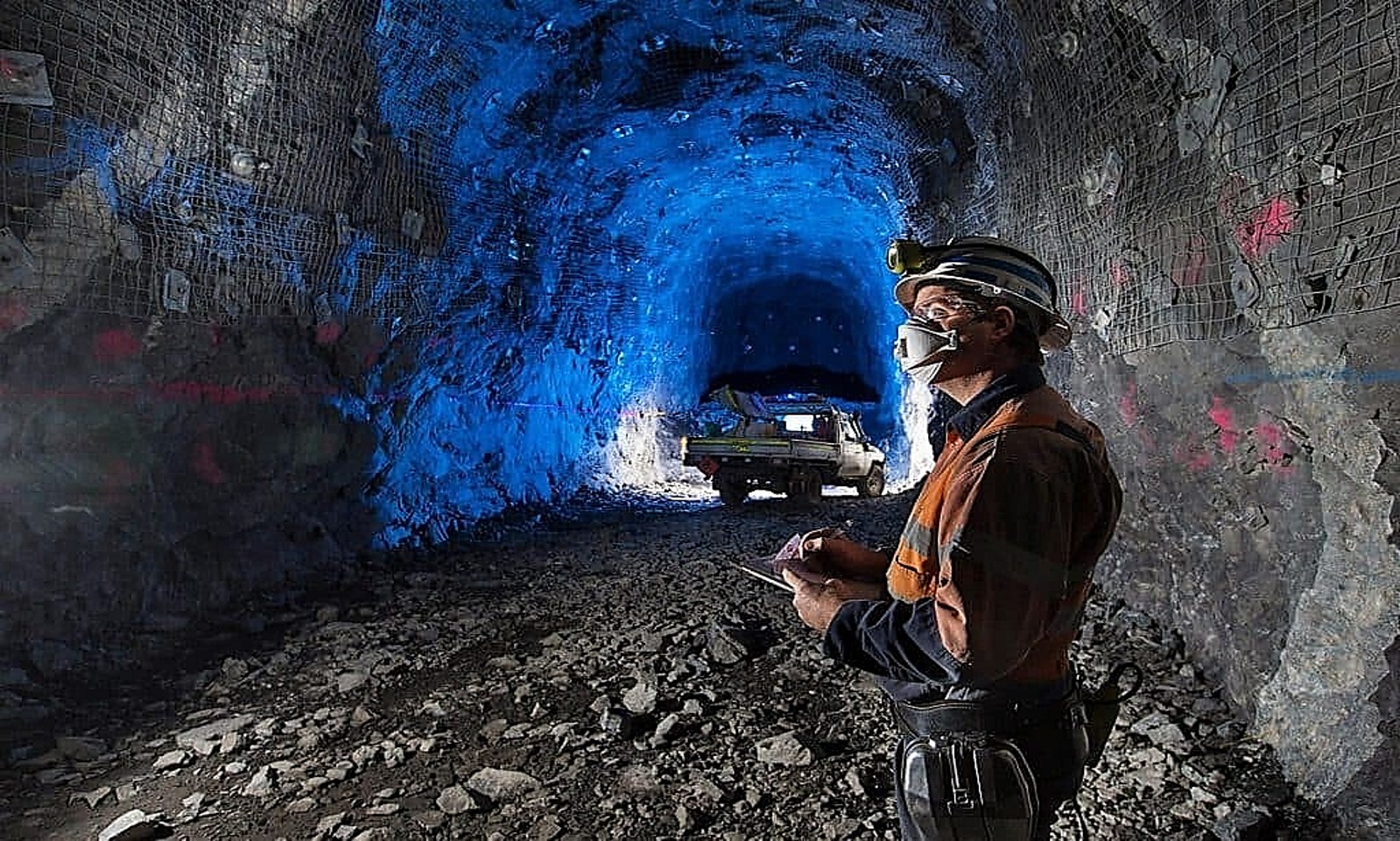
Argentina is rapidly transforming into one of the most closely watched copper development regions globally, with an estimated $40 billion-plus pipeline of copper projects under development or planning stages. Although the country has not produced large-scale copper since the closure of the Alumbrera mine in 2018, its geological potential remains significant, with around 44 million tonnes of copper reserves.
Key projects include McEwen Copper’s Los Azules project, First Quantum Minerals’ Taca Taca development, and Glencore’s El Pachón and Agua Rica assets. Combined, these projects could place Argentina among the world’s top copper-producing nations by the mid-2030s if successfully financed and developed.
The copper expansion is tightly linked to global electrification trends, as copper demand rises from electric vehicles, power grids, renewable energy infrastructure, and industrial decarbonization.
Policy Reform and RIGI Drive Foreign Investment
A major catalyst behind the mining surge is Argentina’s Large Investment Incentive Regime (RIGI), which offers 30-year tax, customs, and foreign exchange stability for large-scale projects. The framework has already approved multi-billion-dollar mining and energy investments, helping restore investor confidence after years of capital controls and regulatory volatility.
Under President Javier Milei’s administration, Argentina has also eased restrictions on foreign exchange and imports, while opening previously restricted high-altitude regions to mining exploration and development.
These reforms have helped unlock financing discussions with major global players, including multinational mining companies and commodity traders seeking exposure to copper and lithium supply chains.
Rising Geopolitical Competition for Argentina’s Minerals
Argentina’s mining sector is increasingly shaped by geopolitical competition between Western financial institutions and Chinese-linked mining interests. While Western capital is expanding through structured financing frameworks and investment guarantees, Chinese firms remain deeply embedded in Argentina’s lithium sector.
This dual exposure is positioning Argentina as a strategic battleground for critical minerals, particularly copper and lithium, both essential for energy transition supply chains.
At the same time, environmental opposition and provincial-level regulatory complexity continue to create operational uncertainty, with mining approvals varying significantly across regions such as San Juan, Catamarca, and Salta.

Market Impact
○ Impacted Metals: Copper cathodes, copper concentrate, copper sulfide ore, lithium carbonate, spodumene concentrate, gold doré, silver bullion
○ Direction: Bullish
○ Time Horizon: 2026–2035
○ Affected Industries: Electric vehicles, renewable energy, power grid infrastructure, mining, battery manufacturing, industrial metals, smelting and refining
○ Related Price Reports: Copper Weekly Price Report, Lithium Weekly Price Report, Gold Weekly Price Report, Silver Weekly Price Report
○ Watch Item: Monitor RIGI-approved copper projects reaching final investment decision and securing full project financing, particularly in Los Azules, Taca Taca, and El Pachón.
SuperMetalPrice Commentary:
Argentina’s copper pipeline highlights how policy reform can rapidly reposition a country in global critical minerals supply chains. However, financing certainty and provincial execution remain the real bottlenecks determining whether project potential translates into actual production.
For copper markets, Argentina represents a significant long-term supply option, but timing risk remains high, meaning near-term supply tightness is unlikely to be relieved by its project pipeline alone.




Leave a Reply
You must be logged in to post a comment.