


Chile’s Paipote copper smelter delay is set to push new domestic smelting and refining capacity further into the next decade, after state-owned mining company Enami moved the project’s construction and completion schedule by more than two years. According to the company’s latest filing, construction is now expected to begin in October and finish in February 2031, instead of starting in February and reaching completion in November 2028. The change affects one of Chile’s most important copper processing modernization projects.
Why Enami changed the Paipote project schedule
Enami said the revised timetable follows the completion of detailed engineering studies for the Paipote copper smelter project in Chile’s Atacama region. The proposed modifications add about $65 million to the project cost and include the demolition of older infrastructure at the existing metallurgical complex, either because of its age or because it interferes with the new construction plan.
The updated project schedule has been submitted to Chile’s environmental evaluation service, Sea. In its 16 April filing, Enami asked the regulator to confirm that the new changes do not require the project to re-enter the environmental impact evaluation system. That point matters because any new review process could create additional uncertainty around timing, project execution, and capital spending.
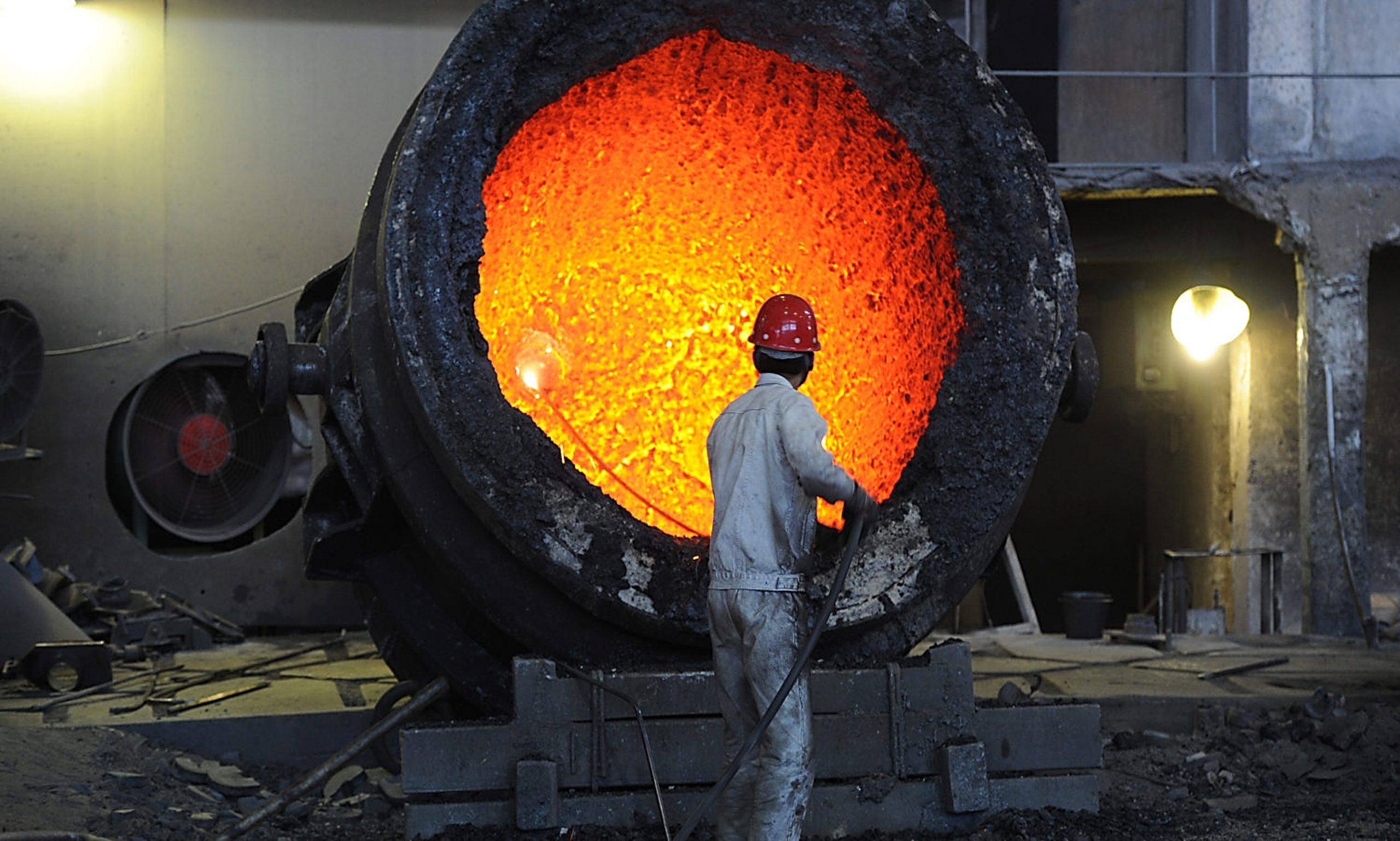
The broader project remains large in scale. Enami’s $1.7 billion plan is designed to modernize and expand the Paipote metallurgical site, more than doubling smelting capacity to 850,000 metric tonnes per year of copper concentrates. It also includes an electrolytic refinery capable of producing 240,000 tonnes per year of copper cathodes, making it a significant addition to Chile’s domestic copper processing network.
What the Paipote copper smelter delay means for the market
The Paipote copper smelter delay is commercially relevant because Chile is the world’s leading copper producer, yet it has faced continued questions over how much value it captures domestically from smelting and refining. A later start-up means new Chilean capacity for concentrate treatment and cathode production will arrive more slowly than expected.
That matters especially for small- and medium-sized Chilean copper producers, which Enami serves by processing, smelting, and refining their material. The Paipote complex plays a strategic role in supporting that segment of the mining industry. A longer delay means these producers may have to wait longer for the benefits of a modernized, cleaner, and larger domestic processing facility.
The project also has an environmental and operational backdrop. Enami suspended the existing smelter in 2024 to reduce financial losses and improve environmental performance. The new project is therefore not only a capacity expansion, but also part of a broader effort to replace an older operating model with a more efficient and compliant copper processing platform.
For the wider copper market, the delay does not immediately change mine supply, but it does slow the timeline for new smelting and refining capacity in a major producing country. In a market already watching treatment terms, refining bottlenecks, and national strategies for more local mineral processing, the Paipote schedule shift is a meaningful development.
SuperMetalPrice Commentary
The Paipote delay shows how even strategic copper processing projects can face execution slippage once engineering details and site realities become clearer. For the market, the key issue is not only the later 2031 completion date, but whether Chile can keep advancing domestic smelting capacity without fresh permitting or cost setbacks.



Leave a Reply
You must be logged in to post a comment.