


Breakthrough in Aluminum Scrap Sorting
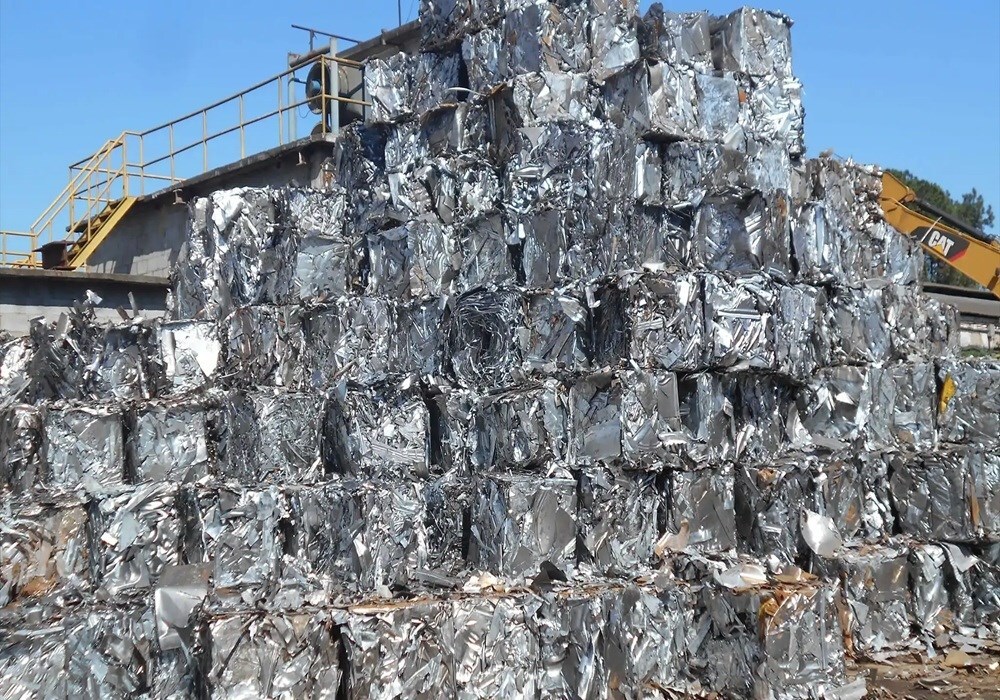
Constellium SE, a Paris-based aluminum producer, has partnered with OSR GmbH and a European automotive manufacturer. Together, they are using Laser-Induced Breakdown Spectroscopy (LIBS) technology to sort mixed aluminum scrap from automotive production. This breakthrough allows for sorting alloys with over 95% purity. It improves recycling and reduces carbon emissions by increasing the use of recycled aluminum.
Overcoming Alloy Sorting Challenges
Sorting mixed 5000 and 6000 series alloys is a significant challenge in automotive aluminum recycling. These alloys are often downcycled. However, LIBS technology helps Constellium rapidly and accurately separate these alloys. This method allows the use of high-value alloys without compromising material integrity, which is crucial for the automotive industry.
Sustainable and Scalable Solution
At Constellium’s Neuf-Brisach plant in France, the company has already processed large amounts of LIBS-sorted aluminum scrap. This shows the industrial scalability of the technology. The company claims this innovation reduces the carbon footprint and aligns with customers’ sustainability goals.
Towards a Circular Economy in Automotive Aluminum
Constellium plans to expand the use of LIBS technology. The company is working towards recycling high-value aluminum from end-of-life vehicles. This goal is part of the wider industry push towards a low-carbon economy and a circular economy for automotive aluminum.
Industry-Wide Adoption of Advanced Recycling Technologies
Constellium is part of a growing movement in aluminum recycling. Other companies, such as Novelis and Hydro, are also investing in advanced sorting technologies. For instance, Novelis is utilizing AI-based sensors to enhance sorting processes. Meanwhile, Hydro is adopting LIBS technology at its Michigan facility to improve efficiency. As a result, these initiatives highlight the industry’s growing focus on enhancing recycling practices and contributing to sustainability goals. These efforts show the industry’s commitment to improving recycling efficiency and sustainability.




Leave a Reply
You must be logged in to post a comment.