


Containerised Ferrous Scrap Market Gains Momentum in Turkey
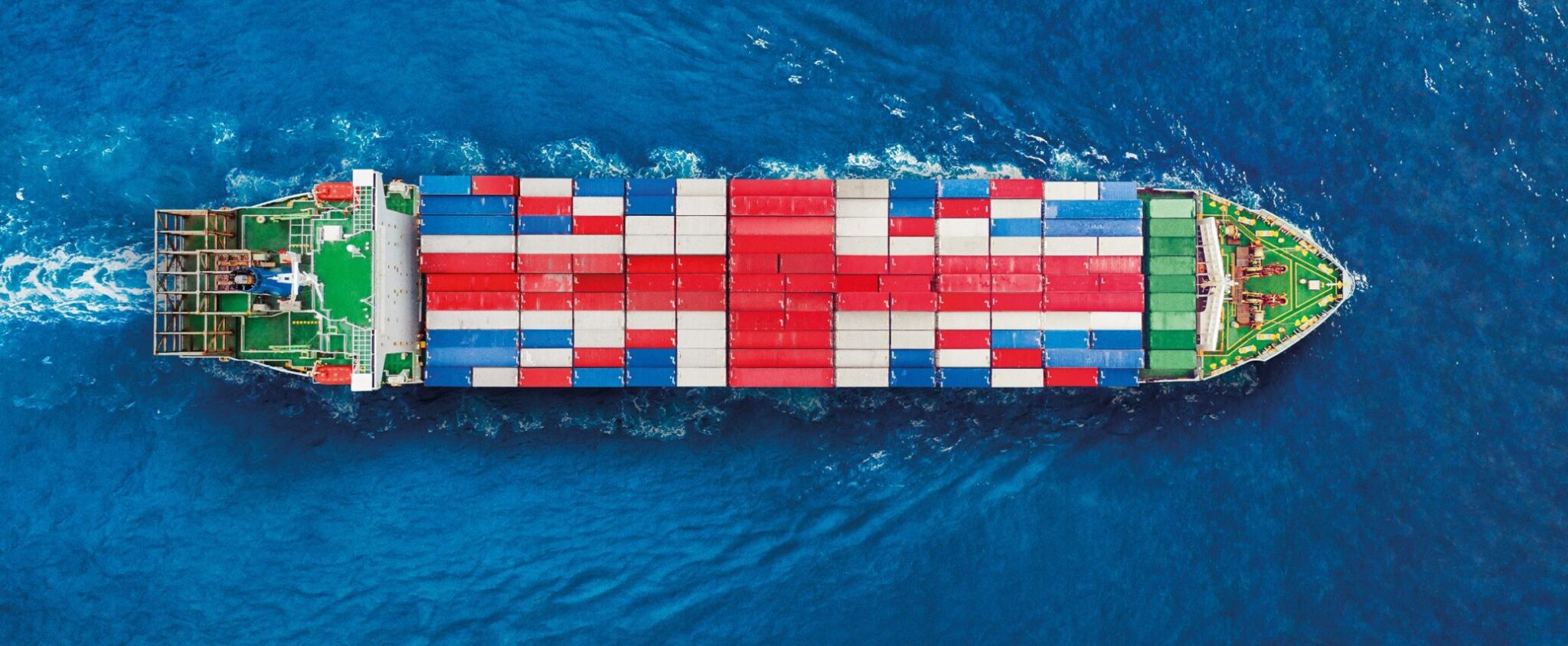
The containerised ferrous scrap market has entered a new phase as Turkey expands its sourcing strategy. As the world’s largest seaborne scrap importer, Turkey now explores container shipments to diversify supply channels. This shift reflects changing trade dynamics and tightening scrap availability.
Stelaris Resources initiated the move by shipping containerised HMS 1/2 scrap from the United Kingdom to Iskenderun. Suppliers Mellor Metals and Glazewing provided the first cargoes. These transactions mark Turkey’s first step into a trade segment traditionally dominated by Asia.
Previously, containerised scrap flows mainly served markets such as India, Pakistan, and Bangladesh. However, weak Asian demand and favorable freight economics encouraged traders to redirect volumes toward Turkey.
Strategic Benefits Drive Containerised Ferrous Scrap Market Adoption
The containerised ferrous scrap market offers clear advantages for Turkish steel producers. Mills can secure smaller, targeted volumes of specific grades. This flexibility improves inventory management and production efficiency.
Additionally, container shipments enable access to suppliers in regions unsuitable for bulk cargo. Inland mills without deepwater port access also benefit from direct deliveries. As a result, Turkish buyers gain greater control over procurement strategies.
Turkey imports around 75% of its scrap needs, with most volumes arriving via bulk carriers. However, total imports declined by 7% in 2025, reaching 18.67 million tonnes. Therefore, containerised sourcing provides a timely solution to supply constraints.
Global Trade Dynamics Shift with Turkey’s Entry
The containerised ferrous scrap market could reshape global trade flows as Turkey competes for supply. Exporters now gain access to a major buyer outside traditional Asian markets. This development increases competition for limited scrap volumes.
Meanwhile, disruptions in the Middle East Gulf reduced scrap availability to South Asia by around 2 million tonnes annually. Consequently, Turkey’s entry adds further pressure to an already tight market.
Alternative Metallics Support Steel Production
Turkish mills continue to diversify raw material inputs beyond scrap. Imports of hot-briquetted iron and pig iron have increased significantly. These materials help offset scrap shortages and stabilize production costs.
In January alone, hot-briquetted iron imports nearly tripled year-on-year. Pig iron imports also rose sharply in 2025. Therefore, mills actively adapt to evolving supply conditions across the global steel market.
SuperMetalPrice Commentary:
Turkey’s entry into the containerised ferrous scrap market signals a strategic shift in procurement flexibility. This move enhances supply security while intensifying global competition for scrap. If container trade expands, it could redefine logistics and pricing structures across steel markets worldwide.

Leave a Reply
You must be logged in to post a comment.