


The New South Wales government has officially approved RZ Resources’ A$693 million (approximately $497 million) Copi mineral sands project. This major development marks a significant milestone in Australia’s effort to secure critical mineral supply chains for Western allies. The project is expected to yield up to 400,000 tonnes of critical mineral ore annually over an 18-year mine life, with production targeted to commence in early 2029.
Strategic Global Significance
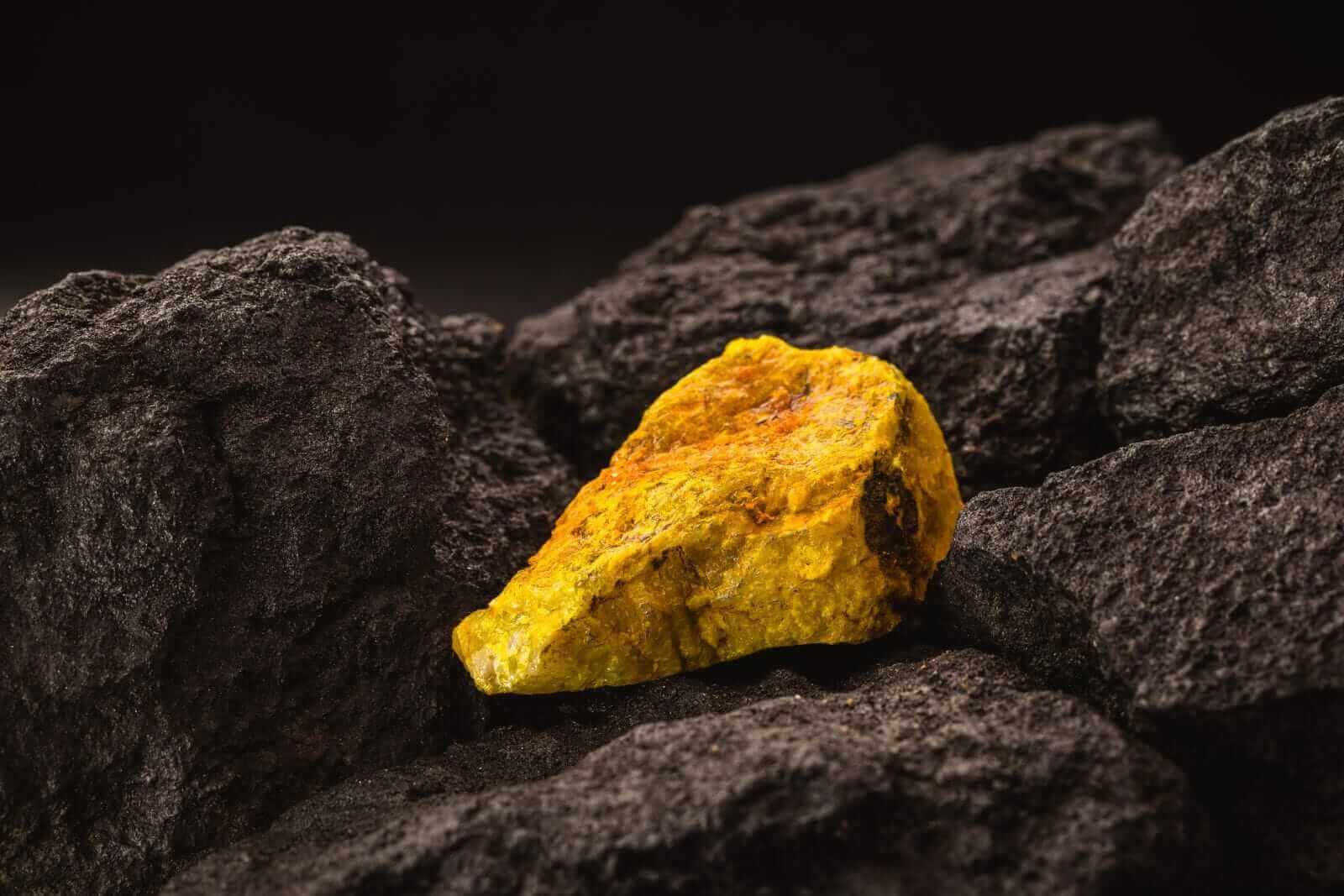
Located near Wentworth, the Copi project represents one of the world’s largest deposits of critical minerals. In addition, the mine is set to produce a diverse range of essential materials. Specifically, it will extract titanium minerals—such as rutile, leucoxene, and ilmenite—alongside premium zircon. Furthermore, the site will yield various rare earth elements, including monazite and xenotime. Beyond its scale, the mine has earned formal recognition from the United States, Japan, India, and Australia. Moreover, the project is supported by financing from the US Export–Import Bank and strategic investments from JX Advanced Metals and Marubeni Corporation. Consequently, the site is now positioned as a cornerstone for energy, manufacturing, and defense supply chains.

Integrated Infrastructure Advantage
A key strength of the Copi project is its integration with existing midstream capacity. Specifically, RZ Resources operates a mineral separation plant on the Brisbane River, which serves as the only facility of its kind on Australia’s east coast. Consequently, this vertical integration allows for efficient processing of the ore extracted in New South Wales. By combining large-scale extraction with established domestic processing capabilities, RZ Resources aims to stabilize the supply of high-demand minerals. Furthermore, this approach reduces market reliance on concentrated global sources while simultaneously supporting long-term industrial requirements for allied nations.
Market Impact
○ Impacted Metals: Rutile, Leucoxene, Ilmenite, Zircon, Monazite, Xenotime
○ Direction: Stable
○ Time Horizon: 2026–2029
○ Affected Industries: Aerospace, Defense, Energy, Electronics, Advanced Manufacturing
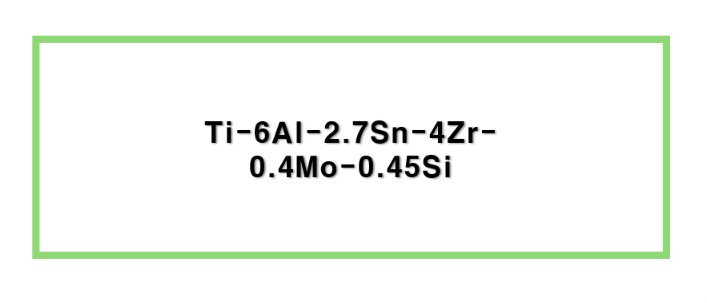
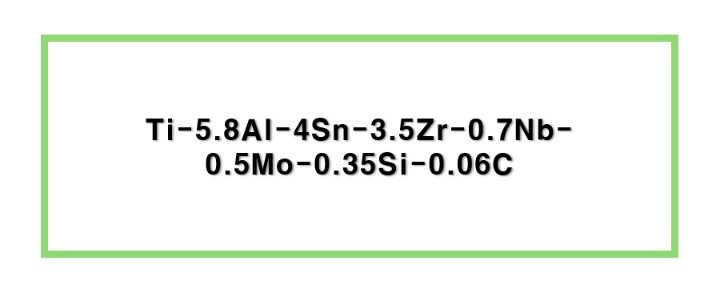
○ Related Price Reports: Titanium Alloy Weekly Price Report, Rare Earth Weekly Price Report
○ Watch Item: Monitor the progression of construction milestones and final equipment procurement for the Brisbane River separation plant to ensure alignment with the 2029 production timeline.
SuperMetalPrice Commentary:
The approval of the Copi project demonstrates the tangible impact of the Quad nations’ collective strategy to de-risk critical mineral supply chains. By securing private investment from Japanese corporations alongside US government-backed financing, RZ Resources has successfully derisked a significant greenfield asset. For market participants, this project confirms that Australian mineral sands remain a high-priority investment area for diversifying rare earth and titanium feedstock.




Leave a Reply
You must be logged in to post a comment.