


A persistent global shortage of mined copper ore is reshaping how raw material is priced and traded. Across the international smelting and refining supply chain, mine output is failing to keep pace with rapid smelting expansion, particularly in China. As a result, treatment and refining charges (TC/RCs) have collapsed to historic lows. This shift is forcing miners, traders, and smelters to reconsider traditional annual benchmark pricing mechanisms.copper
Why Copper Concentrate Supply Is Tightening
A widening structural imbalance between upstream mine production and downstream smelting capacity is driving this shift. Major copper-producing regions in South America, including Chile and Peru, face declining ore grades and permitting delays. Operational disruptions have also limited near-term supply growth. Meanwhile, aggressive investment in new smelting plants—most notably in China—has created intense competition for available copper concentrates.
Smelters require a steady feed of copper concentrate to maintain their operating rates. Fierce bidding for scarce raw material has pushed spot TC/RCs into negative territory. Under traditional contracts, miners pay smelters a fee to process concentrate into refined copper cathodes. Negative charges mean smelters are effectively paying miners to process their ore. This dynamic erodes smelter profit margins and challenges long-standing industry economics.
Moving Away From the Annual Benchmark System
For decades, the global copper market relied on annual benchmark negotiations between major miners and leading smelters. These talks set TC/RC terms for the following year. However, the extreme gap between tight spot concentrate markets and negotiated annual benchmarks has strained that system.
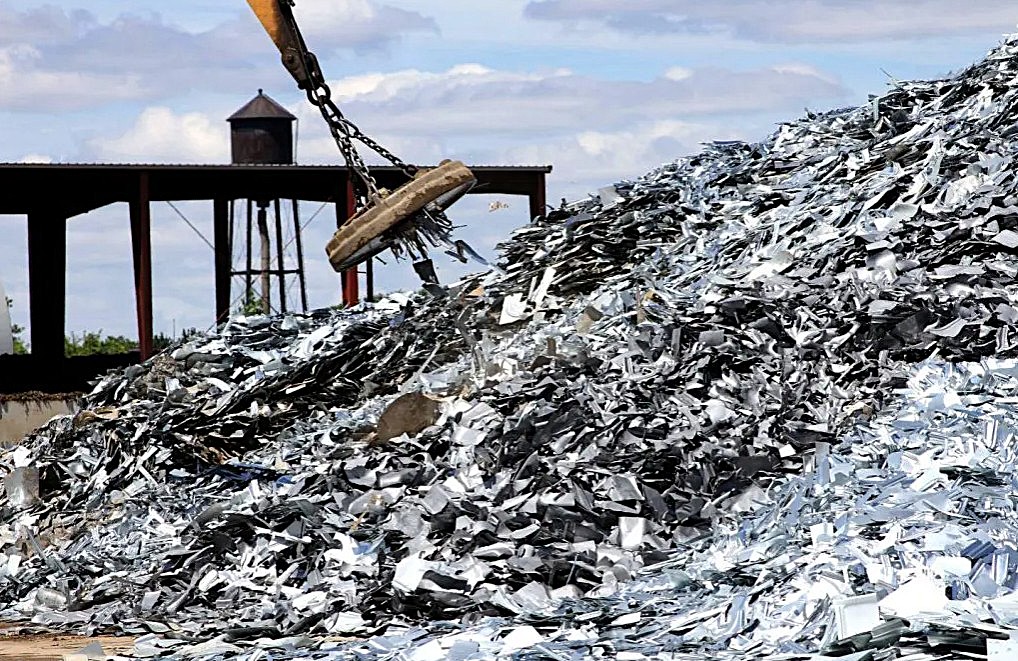
Many market participants are now turning to spot index-linked pricing and shorter-term contracts to manage margin risk. Smelters without captive mine supply are particularly vulnerable to this volatility. They face difficult choices between operating at a loss or cutting utilization rates. Many are also increasing their reliance on copper scrap and blister copper as alternative feedstocks.
Implications for Refined Copper Buyers and Manufacturers
Immediate financial pressure sits with custom copper smelters, but the upstream bottleneck also affects downstream industrial buyers. Negative margins could force widespread smelter curtailments or extended maintenance shutdowns. If that happens, refined copper cathode availability could tighten quickly. This would add upward pressure to London Metal Exchange (LME) and COMEX copper prices, alongside regional physical premiums.
Manufacturers across power transmission, electrical equipment, construction, automotive, and renewable energy sectors face heightened supply chain risk. Procurement teams must plan for both volatile exchange pricing and potential shifts in regional cathode availability. Smelters will continue adjusting output to survive low processing fees.

Market Impact
○ Impacted Metals: Copper concentrate, refined copper cathode, blister copper, copper scrap
○ Direction: Bullish
○ Time Horizon: 2026–2027
○ Affected Industries: Electrical equipment, power grid infrastructure, automotive, construction, renewable energy, industrial manufacturing
○ Related Price Reports: Copper Weekly Price Report
○ Watch Item: Monitor whether major custom copper smelters announce coordinated production cuts or extended maintenance shutdowns in response to sustained negative treatment and refining charges.
SuperMetalPrice Commentary:
The breakdown of traditional TC/RC economics signals a deeper structural transition in the global copper market rather than a temporary supply hiccup. Because greenfield copper mines take years to permit and develop, upstream concentrate tightness will likely persist even if downstream demand fluctuates, shifting pricing power firmly toward upstream miners and integrated producers while forcing non-integrated smelters to adapt their procurement and pricing models.





Leave a Reply
You must be logged in to post a comment.