


The global race for critical minerals is often framed as a challenge of production capacity. Many observers argue that Western nations simply need to pour billions into refining to catch up to Chinese dominance. However, this simplistic “catch-up” approach ignores the harsh reality of structural market power. In many sectors, the supply chain ecosystem is so deeply integrated that capital alone cannot break the established order.
A New Metric for Mineral Security
To move beyond the current impasse, policymakers must adopt the Critical Dominance Opportunity Index (CDOI). Instead of merely measuring current import dependence, this metric evaluates the contestability of a market. It identifies which supply chains are “structurally closed”—where dominance is already crystallized through decades of experience and infrastructure—and which remain open enough for new investments to shift global market leverage. Without this lens, billions in investment may yield domestic resilience but fail to move the needle on global strategic control.
Reevaluating Strategic Industrial Policy
Distinguishing between “resilience” and “dominance” is crucial. While governments should continue funding domestic security projects, they must stop confusing resilience-building with competitive market shifts. By focusing capital on contestable markets—those where secondary supply and circularity frameworks are just emerging—Western nations can avoid the trap of perpetually playing catch-up. Competitors won the global race in these markets decades ago. If governments prioritize these “contestable” arenas, they can foster genuine, self-sustaining industrial advantages rather than relying on permanent subsidies.

Market Impact
○ Impacted Metals: Gallium, Graphite, Rare Earth Elements, Lithium, Copper, Nickel, Chromium, Tungsten, Hafnium, Boron
○ Direction: Mixed
○ Time Horizon: 2026–2027
○ Affected Industries: Battery manufacturing, Aerospace, Electronics, Defence, Renewable energy
○ Related Price Reports: Rare Earth Weekly Price Report, Lithium Weekly Price Report, Nickel Alloy Weekly Price Report, Copper Weekly Price Report
○ Watch Item: Monitor the shift in public funding from primary refining in closed markets toward secondary waste stream processing and recycling infrastructure.
SuperMetalPrice Commentary:
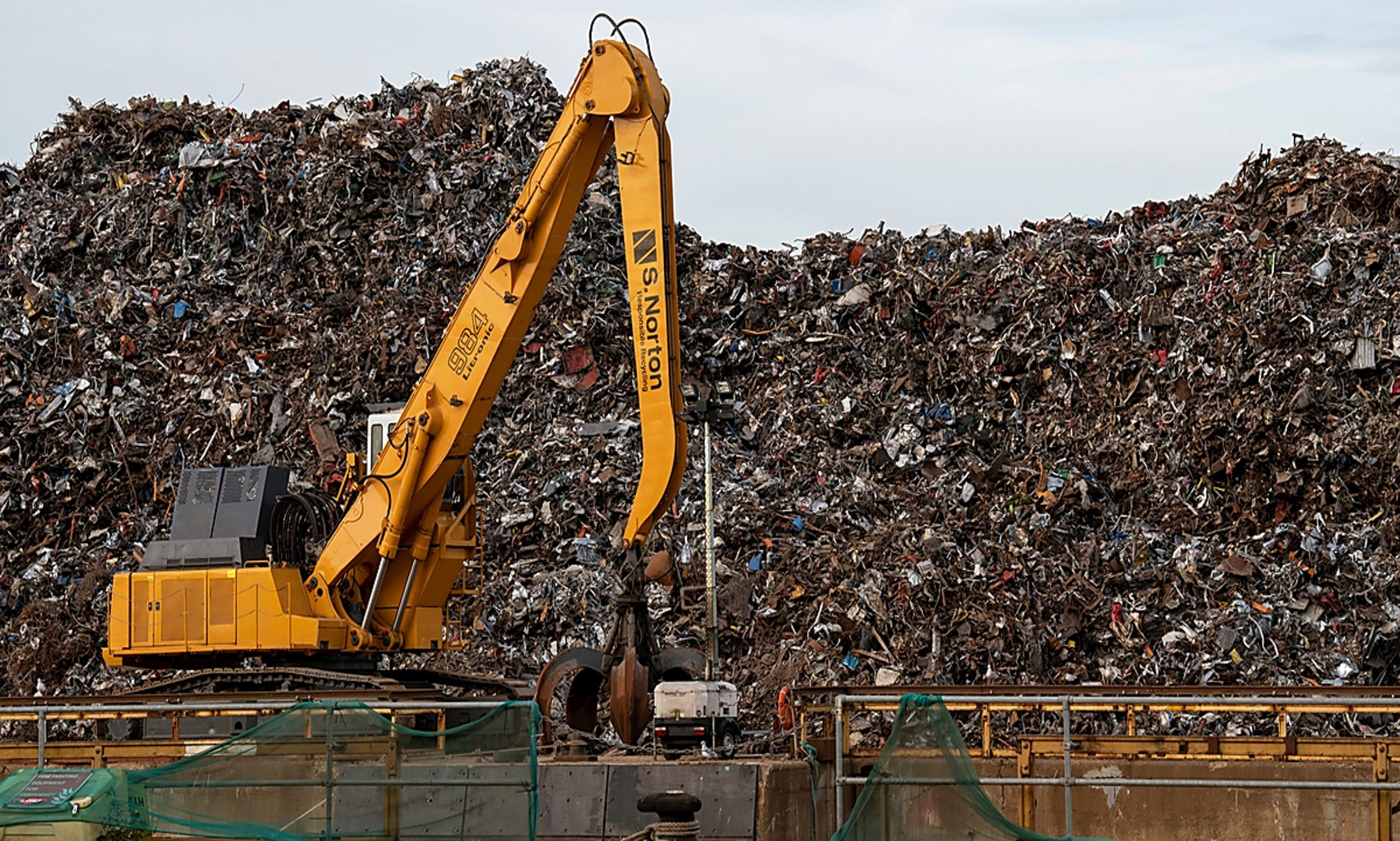
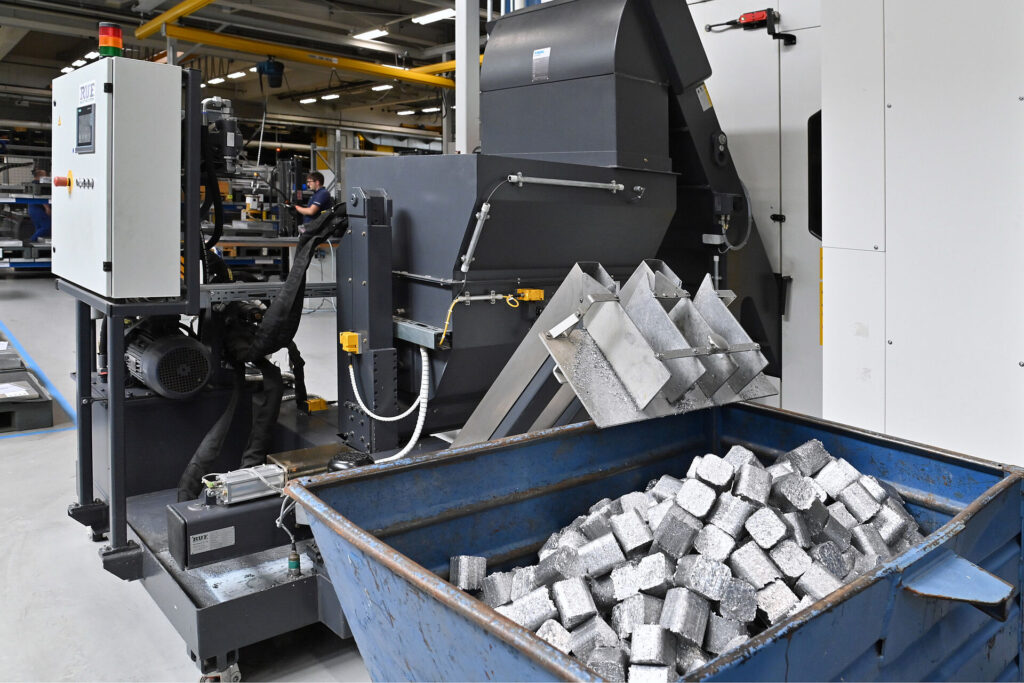
The pivot from pure volume production to “contestability” marks a necessary maturation of Western industrial policy. As China deepens its hold on secondary supply streams, the strategic value of primary refining will continue to diminish for new entrants. The real battleground for the next decade will be in securing circularity and under-recognized base metal supply chains.





Leave a Reply
You must be logged in to post a comment.