


Finland’s steel market is entering a selective recovery following a prolonged downturn in production and consumption. Industrial investment, data centers, and transport infrastructure are driving current market growth. However, persistent weakness in residential construction continues to limit a broader demand recovery.
Industrial Demand Drives Selective Recovery
Finnish steel consumption is projected to reach 1.62 to 1.65 million tonnes in 2026. This reflects a partial rebound after years of declining industrial output. Over the past five years, domestic steel consumption dropped nearly 19 percent. Demand is now driven by data center construction, energy transition projects, and transport infrastructure. Long steel consumption is expected to rise by 2.2 percent this year.
Producer Strategy and CBAM Import Impact
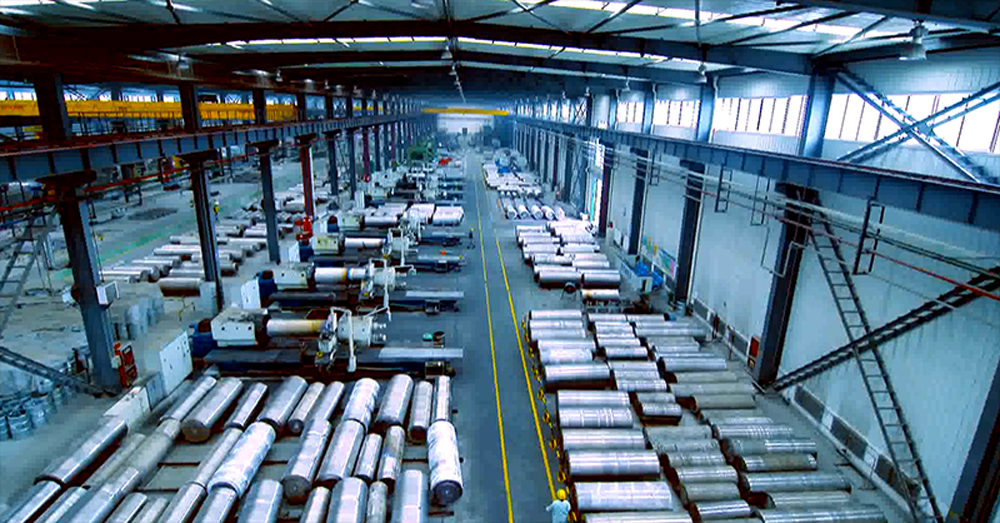
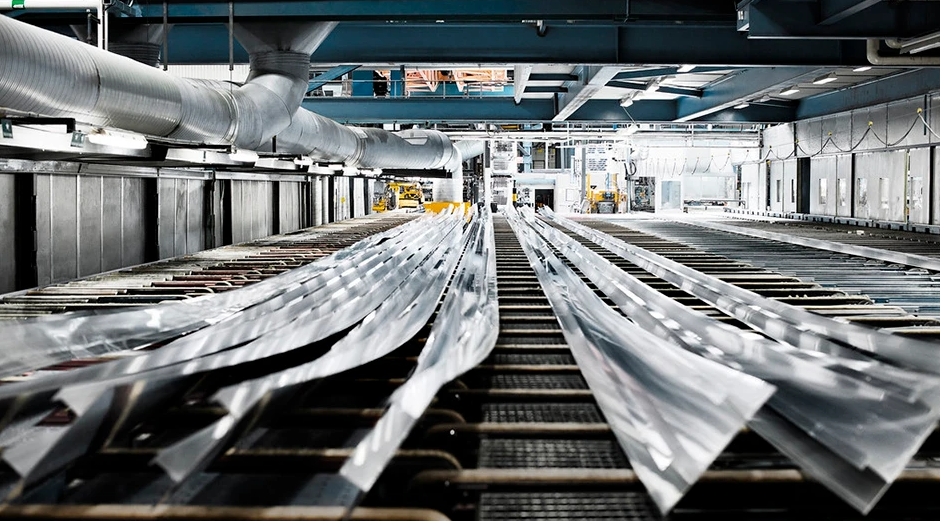
Finnish steelmakers are shifting focus toward high-value specialized steel grades. SSAB’s Raahe works provides 2.6 million tonnes of carbon steel plate and strip capacity. Outokumpu’s Tornio facility remains a leading European producer of cold-rolled stainless steel. Meanwhile, the EU Carbon Border Adjustment Mechanism (CBAM) entered its definitive phase on January 1, 2026. CBAM increases carbon costs on imports, encouraging local sourcing across European supply chains.

Market Impact
○ Impacted Metals: Carbon steel plate, Rebar, Structural steel, Cold-rolled stainless steel, Alloy steel
○ Direction: Stable
○ Time Horizon: 2026
○ Affected Industries: Data center construction, Transport infrastructure, Power grid development, Defense manufacturing, Commercial building
○ Related Price Reports: Stainless Steel Weekly Price Report
○ Watch Item: Track European steel import volumes and CBAM cost adjustments as Finnish buyers adjust procurement strategies.
SuperMetalPrice Commentary:
Finland’s steel recovery illustrates a structural shift from housing to industrial infrastructure. Demand from data centers and energy transition projects is offsetting ongoing weakness in traditional residential construction.
The implementation of CBAM further protects domestic mills like SSAB and Outokumpu from low-cost imports. Steel buyers across Northern Europe must prepare for tighter import availability and higher carbon-adjusted compliance costs throughout 2026.


Leave a Reply
You must be logged in to post a comment.