


Energy Crisis Impact on Asian Steelmakers Disrupts Supply Chains
The Energy Crisis Impact on Asian Steelmakers has intensified following escalating tensions in the Middle East. Steel producers across Asia paused export offers as uncertainty spread through global markets. Meanwhile, rising oil prices sharply increased shipping costs and disrupted established trade routes.
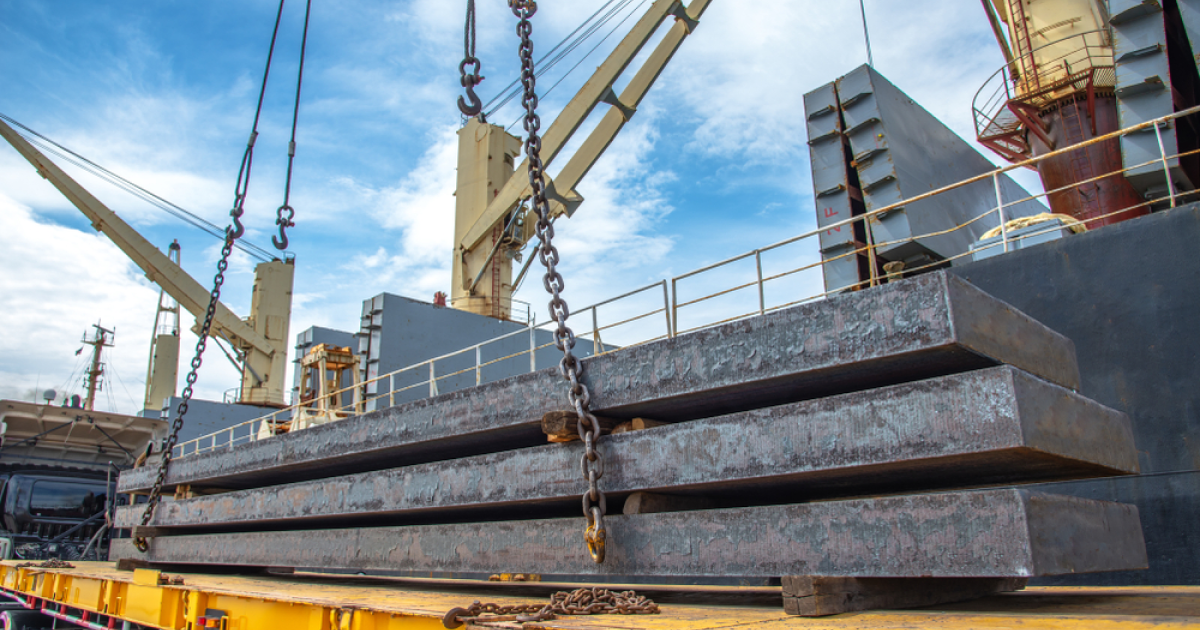
Shipping routes have shifted significantly due to regional instability. Vessels now avoid conflict zones and reroute via the Cape of Good Hope. This change adds up to two weeks of travel time and raises logistics costs. As a result, Asian steel shipments have diverted toward alternative destinations such as India.
In addition, higher freight costs have reduced competitiveness in European markets. Steelmakers now face tighter margins as transport expenses rise. However, the Middle East remains a critical export region despite ongoing disruptions.
Rising Energy Costs and LNG Dependence Deepen Pressure
The Energy Crisis Impact on Asian Steelmakers extends beyond logistics into energy markets. The closure of the Strait of Hormuz has driven oil prices sharply higher. Brent Crude reached $110 per barrel, marking a rapid monthly increase.
Asian steel producers rely heavily on imported liquefied natural gas. Countries like Japan and South Korea depend on LNG for power generation. This reliance exposes them to volatile energy prices and supply disruptions.
Furthermore, damage to Qatar’s Ras Laffan facility threatens long-term LNG supply. This disruption could tighten global energy markets for several years. As a result, production costs for steelmakers will likely remain elevated.
Trade, Raw Materials, and Demand Outlook
The Energy Crisis Impact on Asian Steelmakers also affects raw material supply chains. Iran plays a key role in supplying iron ore and direct reduced iron to Asia. Ongoing conflict may disrupt these flows and tighten material availability.
At the same time, inflationary pressure from energy costs threatens steel demand globally. Higher interest rates and delayed investment decisions could slow industrial activity. Consequently, steel consumption may weaken in key markets.
However, demand fundamentals still depend on macroeconomic stability. If energy markets stabilize, steel demand could recover gradually. Until then, uncertainty will dominate purchasing and production strategies.
SuperMetalPrice Commentary:
The Energy Crisis Impact on Asian Steelmakers highlights the vulnerability of energy-dependent industrial systems. Rising fuel costs and disrupted logistics are squeezing margins across the steel value chain. In the long term, producers must diversify energy sources and strengthen regional supply chains. Strategic investment in energy resilience will determine competitiveness in future market cycles.


Leave a Reply
You must be logged in to post a comment.