


EU Faces Pressure to Strengthen Critical Minerals Supply
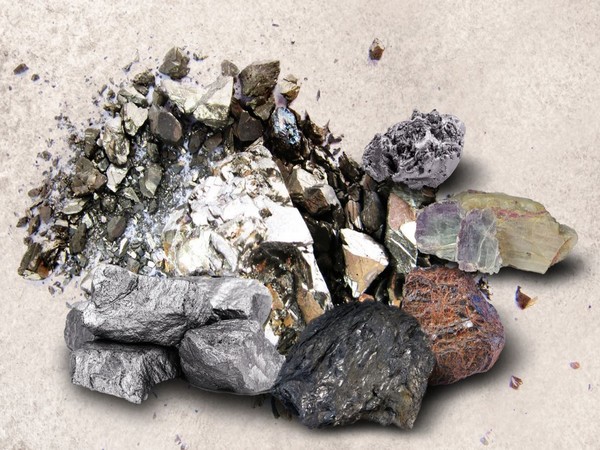
The European Union faces growing pressure to secure its critical minerals supply amid China’s export curbs. The European Initiative for Energy Security (EIES) warns that Europe risks lagging behind China and the United States in strategic mineral investments. Limited mining and refining capacity leaves Europe vulnerable as Beijing tightens control over rare earths, essential for defence, batteries, and wind turbines.
EIES recommends the EU allocate “substantial, dedicated” funding for critical minerals within its next budget. The group stresses that Europe’s fragmented approach hampers private investment in mining and refining projects. Establishing a European Minerals Investment Network (E-MIN) could coordinate financing, mitigate risks, and strengthen the continent’s strategic autonomy.
China Export Curbs Highlight Europe’s Vulnerabilities
China added seven rare earth elements and related products to its export control list in April 2025, requiring government licenses for all buyers. This move disrupts supply chains and delays customs clearance, raising concerns for EU manufacturers. Meanwhile, the EU has identified 13 strategic projects and plans a mineral reserve modelled on oil and gas stockpiles. However, implementation lags, prompting calls for immediate action.
EIES urges European banks and investment bodies to increase equity stakes in mining projects, following the US government’s investment in MP Materials. Analysts suggest stronger public-private coordination will unlock capital and enable Europe to compete with global rivals effectively.
SuperMetalPrice Commentary:
Europe must act decisively to reduce dependency on China for critical minerals. Coordinated investment and transparent policies can accelerate project execution and secure supply chains for defence and clean energy technologies. Delays risk leaving Europe behind in strategic minerals production, impacting both industrial and geopolitical competitiveness.



Leave a Reply
You must be logged in to post a comment.