


The European Commission has officially launched an expiry review of existing anti-dumping duties on Chinese hot-rolled steel wire rod imports. The European Steel Association (EUROFER) requested the review on behalf of domestic steelmakers. The investigation will evaluate if expiring measures could cause a recurrence of injurious dumping in the single market. The sunset review typically spans 12 to 15 months. During this period, the current duty rates will remain fully in force. These include a nationwide tariff of 24% and individual company rates, such as 7.9% for the Valin Group.
EUROFER Request Triggers Sunset Review Process
EUROFER filed the application under Article 11(2) of the EU basic anti-dumping regulation. The group represents manufacturers accounting for a significant share of Union wire rod production. Industry leaders contend that Chinese steelmakers maintain substantial excess capacity. They also argue that state-driven market distortions continue in China. European mills fear low-priced Chinese shipments could flood the local market without tariffs. This scenario would undercut domestic prices and erode profits for regional steel producers.
The designated investigation period covers July 1, 2025, to June 30, 2026. However, injury trend analysis will examine market data dating back to January 1, 2023. The Commission must establish normal market values in China despite existing market distortions. Therefore, officials intend to use a representative third country. They have identified Peru as a primary candidate for this baseline.
Supply Chain Implications for European Downstream Sectors
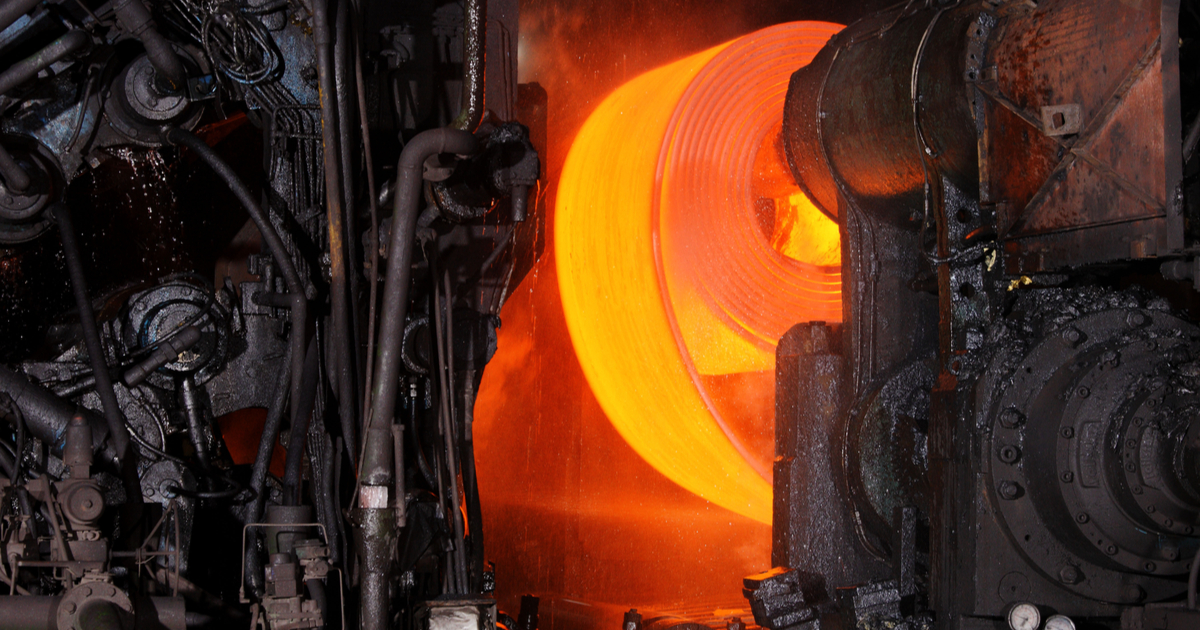
Hot-rolled steel wire rod is a vital feedstock for European industrial supply chains. Factories draw it into finer wires or form specialized components. The material serves as a primary input for automotive tire cord and industrial fasteners. It is also essential for welding consumables, concrete reinforcement mesh, and spring manufacturing. European buyers in these downstream sectors face continued tariffs on Chinese material. Consequently, landed import costs remain elevated compared to global spot averages.
Domestic steelmakers seek extended anti-dumping protection to safeguard local margins and capacity. Meanwhile, industrial consumers must navigate sustained procurement costs. Buyers in construction, automotive, and general engineering need optimized supply chain costs. They must also ensure compliance with EU trade regulations. As a result, many buyers are sourcing alternative wire rod volumes from domestic European mills. Others are turning to non-subject suppliers in Turkey, Algeria, and Southeast Asia.

Market Impact
○ Impacted Metals: Non-alloy steel wire rod, low-alloy steel wire rod, hot-rolled steel bar in coils, carbon steel wire rod
○ Direction: Stable
○ Time Horizon: 12–15 months
○ Affected Industries: Automotive, Construction, Fastener Manufacturing, Wire Drawing, Mesh and Rebar Processing, Machinery Manufacturing
○ Related Price Reports: Stainless Steel Weekly Price Report, Industrial Metals Weekly Price Report
○ Watch Item: Monitor the European Commission’s selection of the representative country for normal value calculations and Chinese producer sampling responses ahead of preliminary findings.
SuperMetalPrice Commentary:
The decision to initiate an expiry review highlights the persistent exposure of the European steel sector to global structural overcapacity, particularly from Chinese mills facing weak domestic demand. EUROFER’s proactive filing underscores that European steelmakers cannot afford to lose trade barriers while operating under high energy costs and stringent decarbonization mandates.
For downstream metal buyers, the continuation of anti-dumping duties throughout the review period eliminates immediate downside price volatility from cheap Chinese imports. However, it also locks in higher baseline raw material costs for European manufacturers competing in global export markets, driving further reliance on alternative duty-free import origins and domestic supply agreements.




Leave a Reply
You must be logged in to post a comment.