


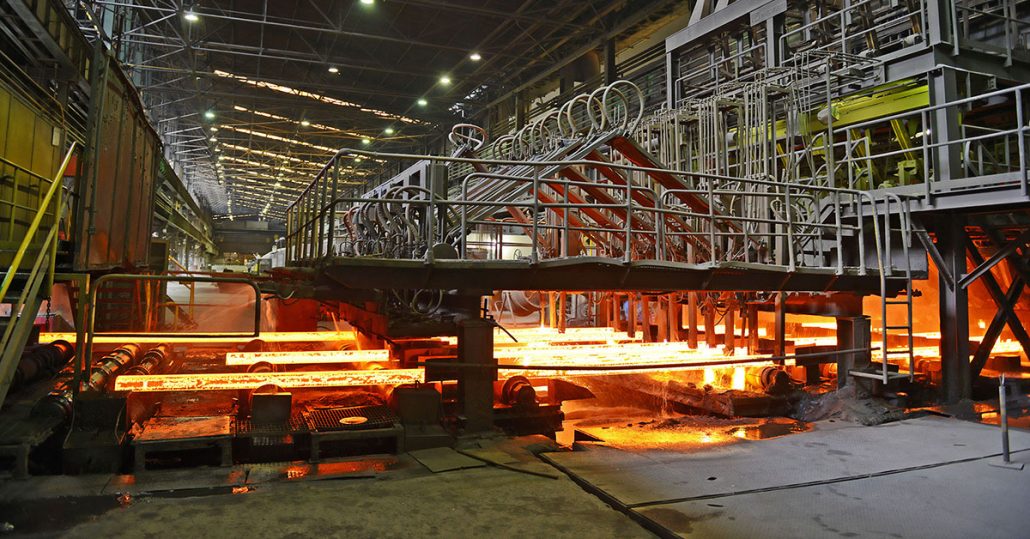
European steel market dynamics are undergoing a structural transformation. Strict environmental mandates and shifting trade defenses are converging. These factors pressure regional producers, service centers, and downstream manufacturers. During Ecomondo 2026 in Rimini, Italy, industry stakeholders issued a clear warning. Rising compliance costs now threaten profit margins and industrial viability. Discussions organized by siderweb and RICREA highlighted a key trend. Carbon pricing and defensive import controls are fundamentally reshaping commercial strategies across the metal sector.
Twin Pressures of Carbon Costs and Import Controls
The EU Emissions Trading System (ETS) and the Carbon Border Adjustment Mechanism (CBAM) now dictate operational costs for domestic mills. These policies aim to prevent carbon leakage and protect local output from unregulated foreign competition. However, they also inflate baseline production expenses. European steelmakers must absorb steep compliance fees while navigating tighter tariff-rate quotas on foreign imports. As a result, procurement managers face heightened price volatility across flat and long steel products as mills pass these costs down the supply chain.
Downstream Vulnerabilities and the Green Transition Dilemma
Regulatory pressure extends far beyond the mill gate. It cascades into major steel-consuming sectors, including automotive, construction, and mechanical engineering. Downstream processors face fierce competition from imported finished goods. These foreign products often enter the single market without bearing equivalent carbon costs. At the same time, scaling low-emission green steel remains an expensive bottleneck. Ecomondo participants stressed that securing verified scrap and low-carbon inputs is critical. However, economic headwinds and sluggish end-user demand continue to complicate the transition.
Scrap Availability and Supply Chain Transparency
Circular economy principles and scrap recycling are now central pillars for decarbonizing European steel production. High-grade steel scrap is a strategic raw material. It reduces blast furnace reliance and lowers emissions profiles. Yet, tighter regulations place added administrative and logistical burdens on distributors and recycling networks. Upcoming rules include packaging waste mandates and extended producer responsibility requirements. Industry leaders stress that verifiable emissions data and supply chain transparency will determine commercial success as buyers demand certified sustainable products.

Market Impact
○ Impacted Metals: Hot-Rolled Coil (HRC), Cold-Rolled Coil (CRC), Rebar, Structural Steel Scrap
○ Direction: Volatile
○ Time Horizon: 2026–2027
○ Affected Industries: Automotive, Construction, Manufacturing, Metal Distribution, Steel Packaging
○ Related Price Reports: Steel Weekly Price Report, Stainless Steel Weekly Price Report
○ Watch Item: Monitor European mill pricing announcements and import quota utilization rates to gauge whether downstream demand can absorb ongoing carbon-compliance surcharges.
SuperMetalPrice Commentary:
The clash between aggressive climate regulations and industrial survival in Europe highlights a widening chasm between environmental ambition and commercial reality. Unless policymakers address the cost disparity between raw steel inputs and imported finished goods, the region risks accelerating deindustrialization rather than fostering a sustainable green transition.



Leave a Reply
You must be logged in to post a comment.