


Germany’s crude steel production achieved a modest recovery in August 2026, driven by a double-digit expansion in scrap-based electric arc furnace (EAF) output even as traditional blast furnace operations continued to shrink. According to data from the industry association Wirtschaftsvereinigung Stahl, domestic mills produced nearly 2.6 million tonnes of crude steel during the month, representing a 1.7 percent increase compared to August 2025. However, monthly volume dipped 3 percent from July, underscoring the ongoing fragility of industrial steel demand across Europe’s largest manufacturing economy.
Electric Arc Furnace Output Surges While Primary Production Contracts
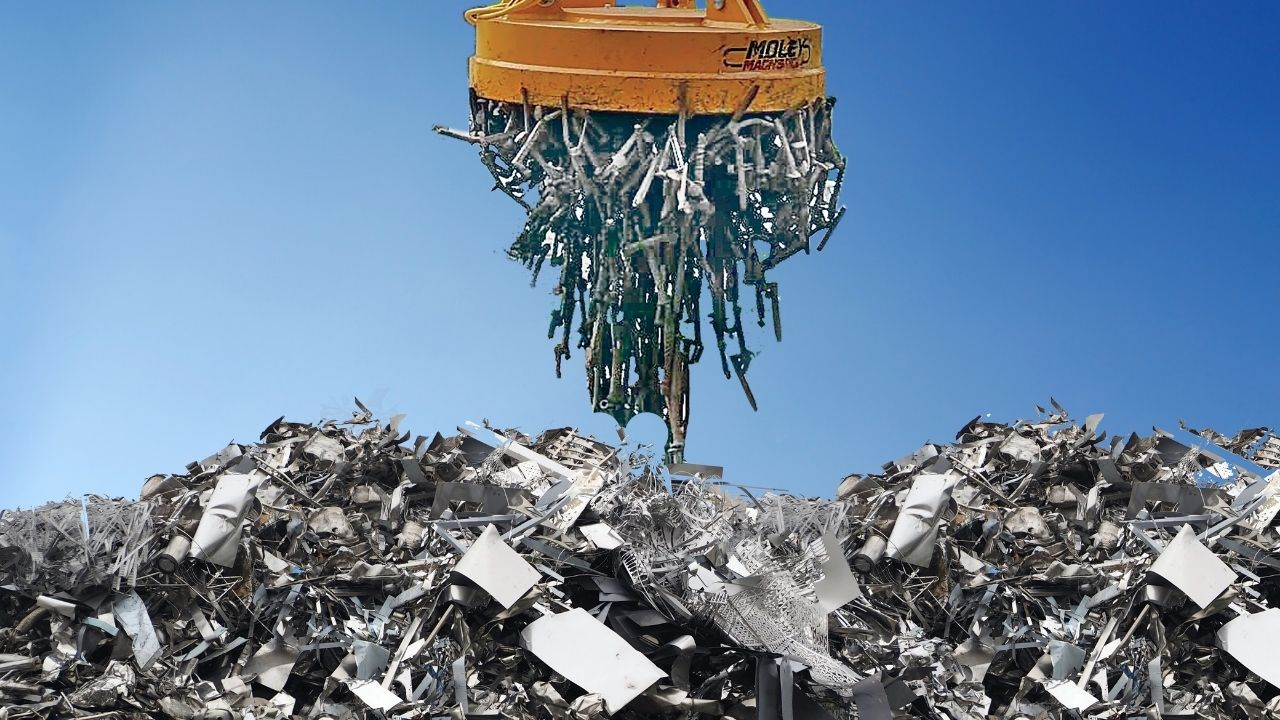
The operational gap between Germany’s two primary steelmaking routes widened substantially in August. Production from scrap-based electric arc furnaces reached 720,000 tonnes, marking a 13 percent increase year-on-year. EAF steelmaking utilizes recycled steel scrap and electrical energy rather than coal, offering lower direct emissions—particularly when integrated with renewable energy sources.
Conversely, output from integrated blast furnace and basic oxygen furnace (BF-BOF) facilities contracted. Basic oxygen steel production fell 2 percent year-on-year to 1.87 million tonnes, while pig iron production dropped 5.5 percent to 1.65 million tonnes. Over the first eight months of 2026, German crude steel output totaled 23.9 million tonnes, up 6.3 percent compared to the low baseline of 2025. Annualized production tracks toward approximately 35.9 million tonnes, remaining well below the 40 million tonne benchmark that industry representatives consider essential for sustainable mill capacity utilization.
Industrial Major Mills Advance Low-Carbon Transformation Plans
Germany’s crude steel production remains concentrated among four major industrial groups that are navigating high energy costs and structural market changes. Market leader thyssenkrupp Steel Europe, centered in Duisburg with roughly 11 million tonnes of annual crude steel capacity, continues to supply key manufacturing segments including automotive, energy, and appliances.
Salzgitter, the country’s second-largest steelmaker with an annual capacity of 7 million tonnes, is advancing the first phase of its SALCOS transformation program. The initiative features a direct reduction plant, an electric arc furnace, and a 100-megawatt electrolyser designed to manufacture 2 million tonnes of low-emission steel annually. Meanwhile, Stahl-Holding-Saar (coordinating Saarstahl and Dillinger) and ArcelorMittal Germany are pursuing strategic decarbonization paths while managing reduced end-market orders from construction and machinery sectors, where demand fell roughly 30 percent between 2017 and 2025.

Market Impact
○ Impacted Metals: Carbon steel flat products, heavy plate, wire rod, steel scrap, pig iron, basic oxygen steel
○ Direction: Mixed
○ Time Horizon: Near-term
○ Affected Industries: Automotive manufacturing, construction, mechanical engineering, energy infrastructure
○ Related Price Reports: Steel Scrap Weekly Price Report, Stainless Steel Weekly Price Report
○ Watch Item: Industrial electricity pricing and downstream manufacturing orders will determine whether electric furnace growth can offset weak traditional blast furnace output.
SuperMetalPrice Commentary:
The August production data illustrates a clear structural evolution within the German steel sector. While aggregate production recovery remains slow due to persistent softness in construction and automotive demand, the 13 percent expansion in electric arc furnace output reflects a growing shift toward scrap-based production and lower carbon intensity.
Producers that adapt their operations toward EAF technology and direct reduction facilities will be better positioned to manage carbon regulatory compliance and shifting buyer preferences. Steel buyers and market participants should monitor domestic scrap availability and industrial power prices, as these factors will increasingly drive regional mill operating margins and supply availability over the next 12 to 18 months.

Leave a Reply
You must be logged in to post a comment.