


Glencore and Quebec Take Action to Preserve Horne Smelter
The Horne copper smelter in Rouyn-Noranda, Quebec, faces a critical decision amid stricter pollution rules. Glencore paused its nearly C$1 billion investment in the facility after negotiations over arsenic emission limits stalled. The plant remains the continent’s largest copper smelter capable of processing both concentrates and recycled electronic materials.
Quebec has proposed legislative changes to extend compliance deadlines, potentially delaying a new arsenic cap of 15 nanograms per cubic metre until 2029. Meanwhile, Ottawa is considering C$150 million in financial support to help fund pollution-control upgrades. These measures aim to maintain operations while addressing environmental and health concerns.
The smelter’s operation is crucial for North American copper supply. Canada accounts for roughly 17% of U.S. copper imports, second only to Chile. A shutdown would exacerbate supply shortages in an already tight market, affecting manufacturers such as Nexans, which relies on the facility for up to half of its copper cathode needs.
Horne Smelter’s Economic and Environmental Importance
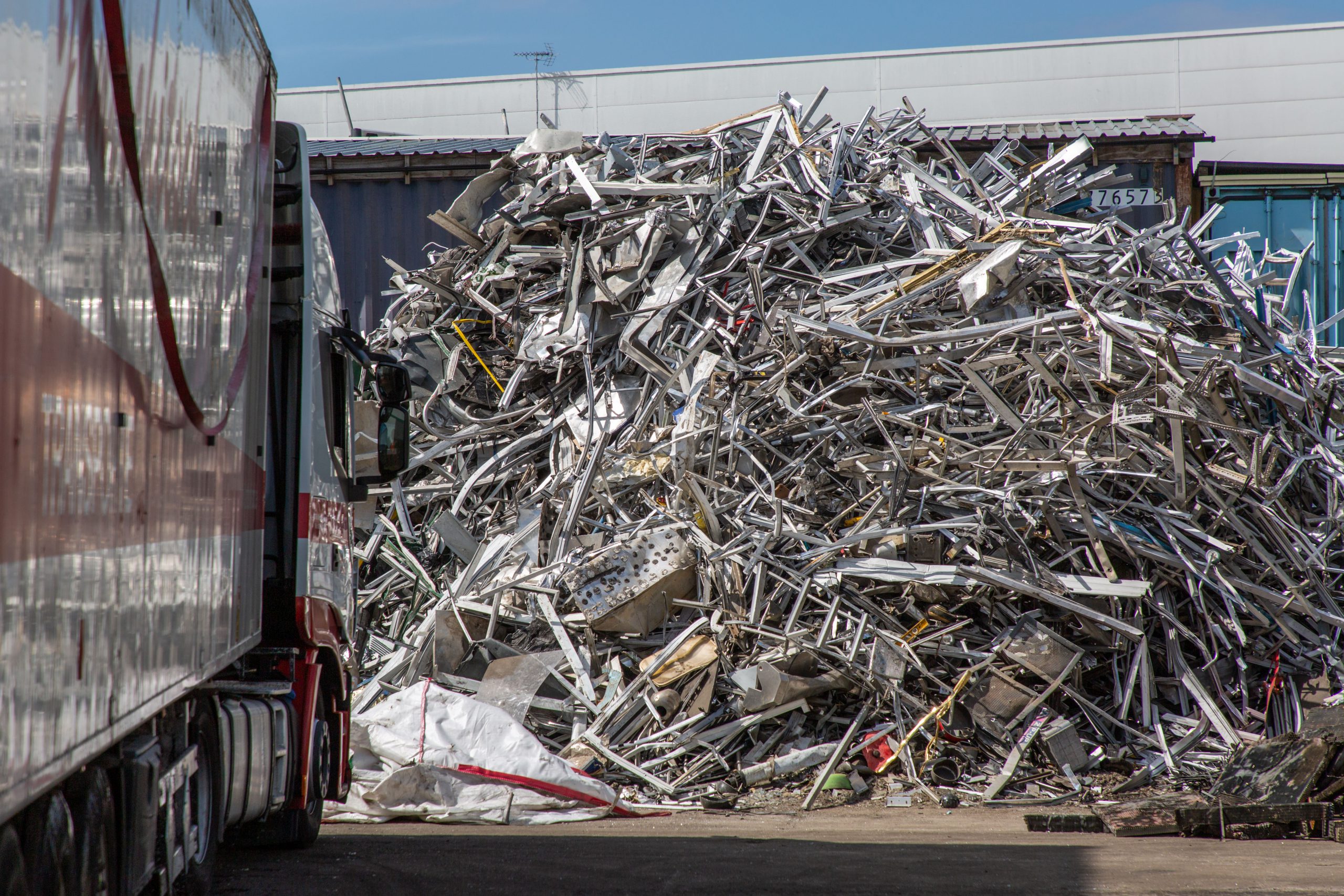
The Horne copper smelter also contributes to local and circular economies. It produces gold, silver, platinum, palladium, and sulphuric acid used in fertilizers. The facility recycles about 100,000 tonnes of electronic scrap annually, reinforcing sustainable metal supply chains.
However, public health concerns remain significant. Local authorities report elevated rates of chronic obstructive pulmonary disease in Rouyn-Noranda. Residents and regulators continue to scrutinize arsenic emissions, despite Glencore noting that ambient levels fluctuate with weather and other factors. Balancing environmental compliance with economic imperatives remains a challenge.
SuperMetalPrice Commentary:
The Horne smelter negotiations illustrate the tension between industrial strategy and environmental responsibility. Preserving the facility secures North America’s copper supply and supports circular metal markets. However, timely emissions control is critical to protect public health. Market watchers should monitor Quebec and Ottawa decisions closely, as they will impact both pricing and supply dynamics for copper and associated metals.




Leave a Reply
You must be logged in to post a comment.