


The global steel industry is navigating a period of strategic restructuring. Significant investment projects, trade defense measures, and evolving production metrics define this shift. From Thyssenkrupp’s corporate spin-off in Germany to new electric arc furnace (EAF) deployments in China, steelmakers are adjusting their footprints. These companies aim to align with low-emission targets and shifting market demand.
Structural Changes and Strategic Investments
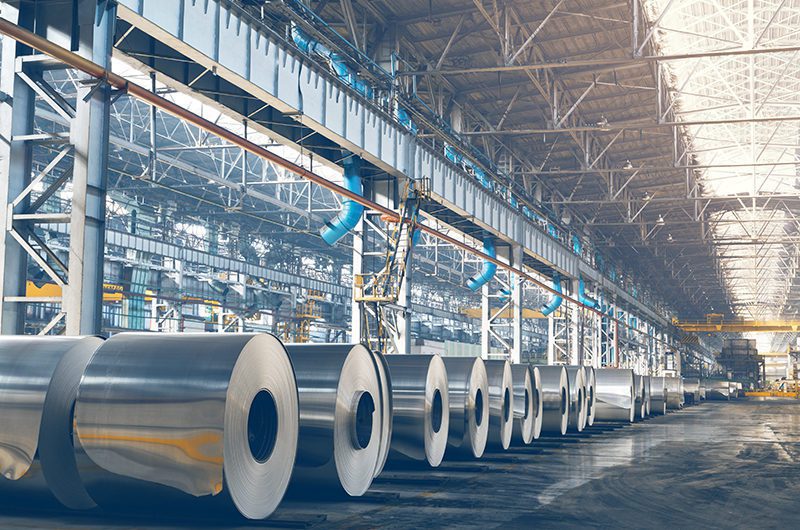
In Europe, Thyssenkrupp plans to spin off its tk accelis steel distribution division. This unit will list on the Frankfurt Stock Exchange. The move aims to streamline the group’s materials services and supply chain operations. Meanwhile, operational recovery remains a priority. Thyssenkrupp Steel has resumed trial operations at its Duisburg Hot Strip Mill 4 following a 2025 fire. In the United Kingdom, Tata Steel continues to face headwinds. Grid connection challenges could delay its new Port Talbot EAF project by six to eight months. Conversely, Celsa has completed a significant modernization of its medium section mill in Castellbisbal to enhance efficiency.

Asian Production Shifts and New Capacity
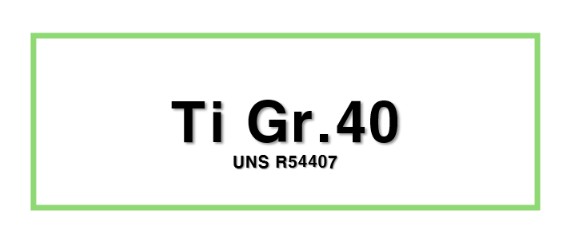
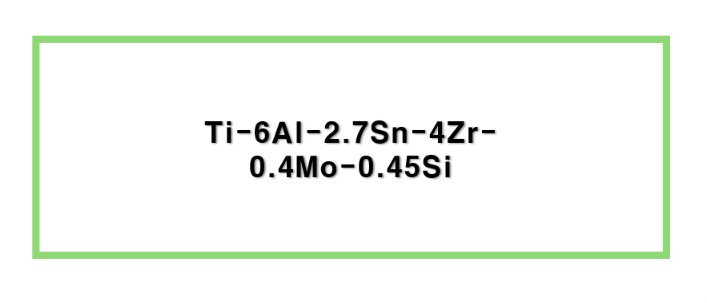
Growth in East Asia remains central to global output. It features both facility expansion and a transition toward greener production technologies. Chinese producers are balancing this growth with capacity replacement rules. Yongfeng Lingang plans to restart work on a large blast furnace and converter project. Hubei Jinshenglan has commenced construction of a massive hot rolled coil line. Furthermore, Henan Jiyuan Iron & Steel is integrating new EAF technology from Danieli to lower emissions. On the stainless front, Yongjin Technology Group is investing USD 170 million in a new Zhejiang facility. This project targets precision stainless and titanium strip markets.
Trade Defense and Production Trends
Trade policy continues to influence supply chain flows in 2026. The United Kingdom has implemented a 50% out-of-quota tariff. However, it introduced transitional exemptions for contracts established before March 14. Similarly, Canada plans to extend its own iron and steel tariff-rate quotas until June 2027. It is also considering shifts toward an allocation-based system. On the production front, worldsteel data reveals global stainless steel output grew 2.5% year-on-year in Q1 2026. It reached 15.77 million tonnes. A 3.3% rise in Asian production propelled this growth. This stands in contrast to a 4.6% decline in European Union output.
Market Impact
○ Impacted Metals: Flat rolled steel, stainless steel, titanium strip, iron, steel billet
○ Direction: Mixed
○ Time Horizon: Medium-term
○ Affected Industries: Construction, automotive, aerospace, manufacturing, infrastructure
○ Related Price Reports: Stainless Steel Weekly Price Report
○ Watch Item: Monitor the final confirmation of UK country-specific quota volumes and the potential impact of Chinese capacity replacement rules on global steel supply.
SuperMetalPrice Commentary:
The global steel landscape is currently bifurcated between aggressive capacity investment in Asia and cautious, high-cost operational transitions in the West. While European producers are focused on modernization and navigating strict trade defense frameworks, Asian steelmakers are rapidly upgrading technological capabilities—specifically through EAF integration—to maintain dominance in specialty and flat-rolled markets. Stakeholders should pay close attention to how these shifting trade barriers influence regional price premiums throughout the remainder of 2026.



Leave a Reply
You must be logged in to post a comment.