


Cost Pressures Challenge Green Steel Market Growth
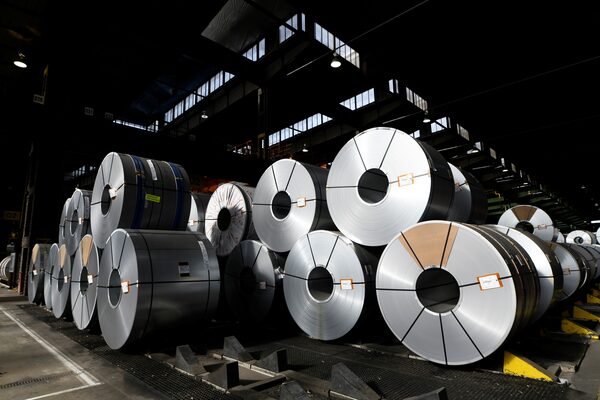
The green steel market continues to face resistance as global steel buyers avoid price premiums for low-emissions materials. A recent podcast episode featuring industry analysts highlighted widespread skepticism toward green steel demand, particularly during this period of economic slowdown. In the Green Steel Survey Special, analysts revealed that stockists and end users struggle to balance sustainability targets with market profitability.
Analyst commentary emphasized that while decarbonization is widely supported in theory, few buyers feel prepared to absorb the higher cost of green steel. Many companies remain unsure how to pass these costs downstream or justify them internally. Until pricing, policy, and messaging align, green steel will likely remain a niche product.
This disconnect reflects a larger issue in the metals sector. Tight margins and cautious buying trends make it hard for the industry to scale sustainable production—even if long-term goals demand it.
Will Green Steel Adoption Accelerate with CBAM and Policy Support?
Despite current reluctance, policy mechanisms like the EU’s Carbon Border Adjustment Mechanism (CBAM) may accelerate adoption. The podcast raised key questions about whether CBAM can level the playing field between traditional and green steel in EU markets. If policies shift cost dynamics, broader buyer support may follow.
However, experts warned that adoption depends on a functioning system—from scalable production to customer education and clear ESG incentives. Momentum may build over the next 12 to 24 months, particularly as regulatory frameworks solidify and demand for low-carbon supply chains increases.
For now, green steel remains a premium product in a price-sensitive market. Buyers and suppliers must work together to share the financial responsibility for cleaner production.
SuperMetalPrice Commentary:
Green steel represents both a market challenge and a future opportunity. This survey makes clear that the transition to sustainable metals cannot rely on pricing alone. Without regulatory alignment or market incentives, cost-sensitive buyers will continue to avoid low-emission alternatives. However, those who develop adaptable pricing strategies and long-term ESG value will stand out as green policies gain traction. As CBAM and similar frameworks tighten, demand will grow for steel products that meet both environmental and economic criteria.


Leave a Reply
You must be logged in to post a comment.