


India’s Steel Import Reduction Strategy
India’s steel import dynamics are shifting. The government is working to reduce dependency on foreign steel. In 2025, India could cut its steel imports by 50%. This is due to protective duties and increased regulatory oversight. Sandeep Poundrik, India’s Steel Secretary, discussed this shift. He noted that if the current trend continues, imports could drop by 50% by the end of the year.
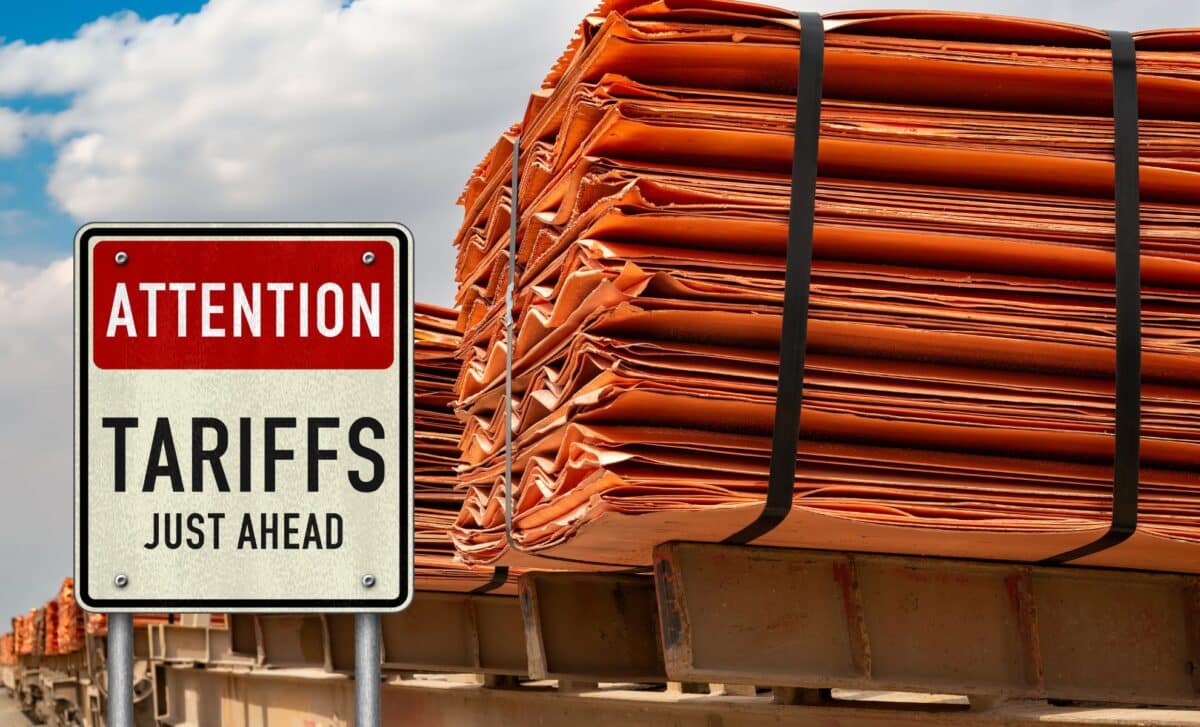
In April and May 2025, India saw a decrease in steel imports compared to 2024. This decline is linked to temporary safeguard duties and stricter import controls. These measures started with a 12% safeguard duty. They aim to protect domestic producers from cheaper foreign steel. The government will decide whether to raise the duty after an investigation by the Directorate General of Trade Remedies (DGTR), due in August 2025.
India’s Safeguard Duty: A Key Factor in Import Decline
The safeguard duty has significantly reduced imports, especially flat-rolled steel products. The 12% duty has been effective, but the government may increase it. The final decision will depend on ongoing investigations. This protective measure has led to higher domestic steel prices, particularly for hot-rolled coils (HRC). It has also improved market sentiment.
Despite the drop in imports, India remains a net importer of steel. In April 2025, India imported 519 thousand tons of rolled steel. This was an 11.3% decrease from the previous year. However, exports fell by 25.7%, creating a $260 million trade deficit. The country faces challenges in balancing domestic production and foreign trade.
Long-Term Steel Consumption Projections
India’s steel consumption is expected to grow. In the 2024/2025 fiscal year, per capita consumption was 104 kg. By 2030, India aims for 155-160 kg per capita. This would align with global averages. This rise in demand will push for further regulatory changes and domestic production incentives. It underscores the importance of focusing on India’s steel industry.
SuperMetalPrice Commentary:
India’s push to reduce steel imports reflects a global trend of protecting domestic industries. The government’s use of safeguard duties and production incentives shows a commitment to self-sufficiency. As steel consumption rises, India will face challenges in balancing import cuts with the demand for high-quality steel. The DGTR’s investigation in August will shape the future of India’s steel imports and market stability.



Leave a Reply
You must be logged in to post a comment.