


Iron Ore Prices Decline 2% Due to Weak Chinese Demand
Global iron ore prices fell by about 2% last week, reflecting weaker steel demand and economic concerns in China. On the Dalian Exchange, prices declined 2.1% to $97.65 per ton. Meanwhile, the Singapore Exchange saw a 2% drop to $96.25 per ton. This fall continued a broader trend caused by reduced demand from China, the world’s largest iron ore consumer.
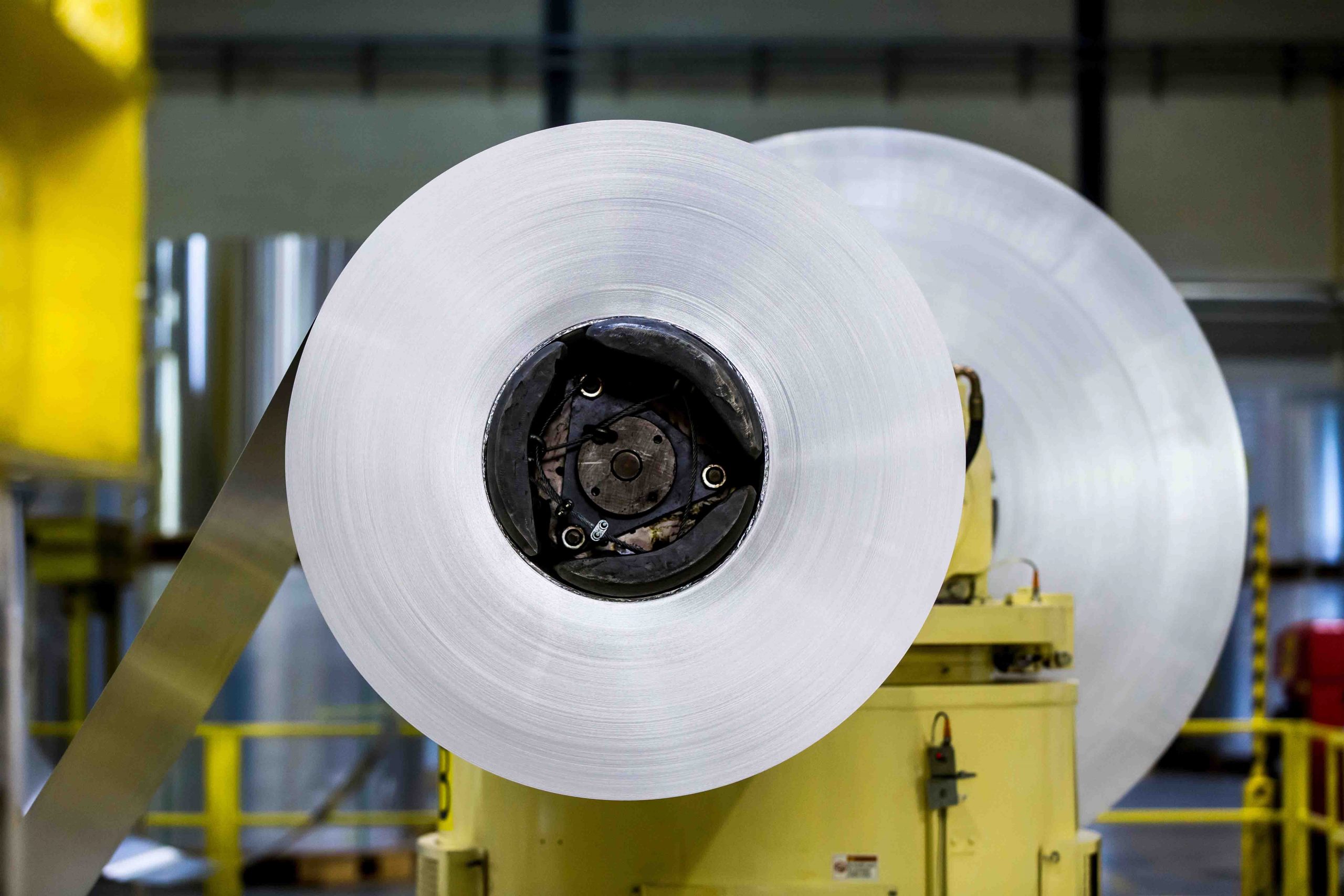
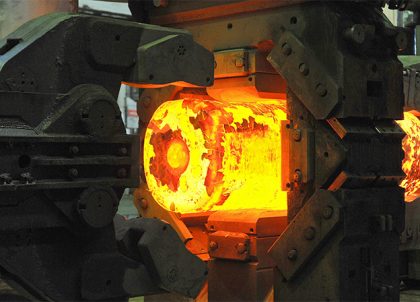
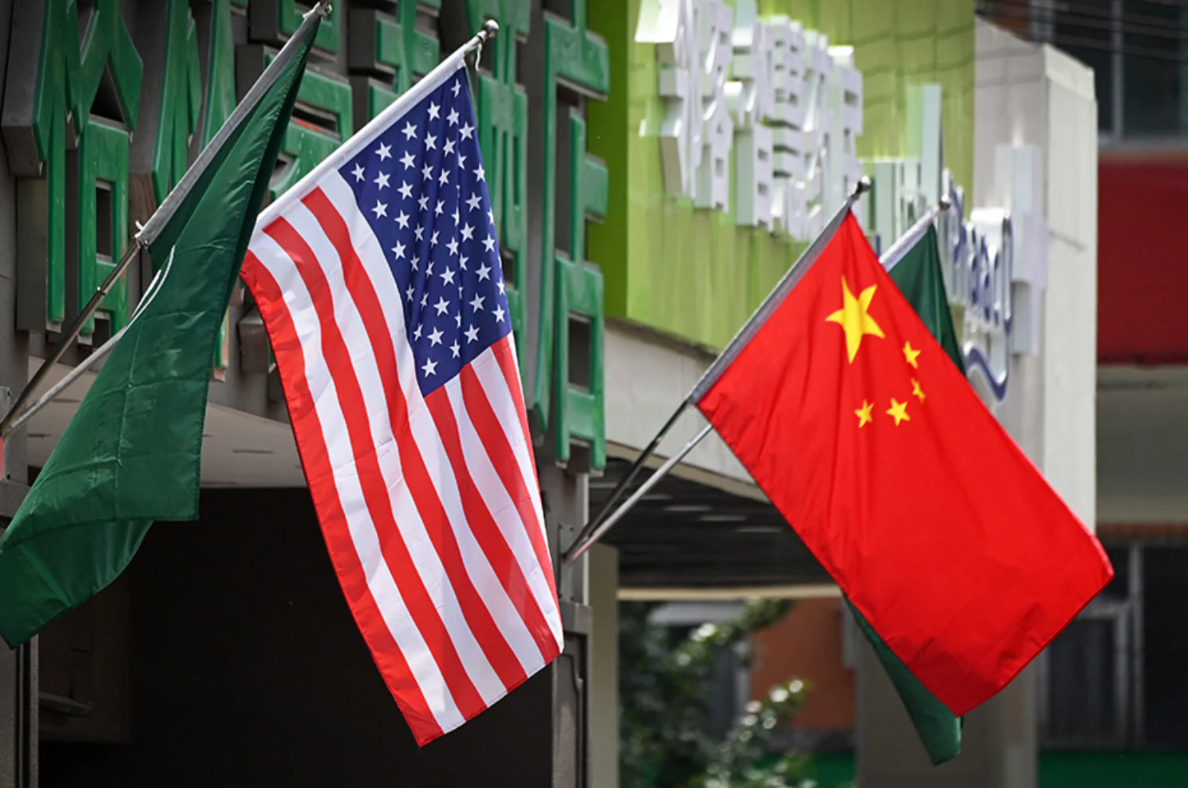
Steelmakers in China face losses amid a struggling construction sector and slowing economy. As a result, many cut production, directly reducing iron ore demand. Rumors of new steel production restrictions further dampened market sentiment midweek. Additionally, geopolitical tensions arose with the U.S. announcing potential tariff reinstatements on imported steel and aluminum. Although a U.S. court temporarily blocked these tariffs by week’s end, the positive impact was limited.
Market Outlook: Uncertainty and Potential Price Fluctuations
The iron ore market faces ongoing uncertainty from macroeconomic and geopolitical factors. Supply trends varied in May: Dalian Exchange reported a slight 0.2% increase in supply, while Singapore’s supply decreased by 2.1%. Traders expect continued volatility ahead, especially if China’s construction sector remains weak.
However, possible government stimulus in China could stabilize or even boost demand, offering potential price support. Another factor is the expected launch of the Simandou iron ore field in Guinea, which could increase supply and pressure prices further. Experts from Moody’s and BMI Research forecast iron ore prices to hover between $80 and $100 per ton over the next 12 to 18 months, balancing weak demand and ample supply.
SuperMetalPrice Commentary:
Iron ore’s recent price drop highlights the close link between China’s economic health and global metals markets. Meanwhile, geopolitical risks such as trade tariffs add complexity to the outlook. As the steel sector contracts, iron ore demand will stay fragile. However, any policy-driven demand stimulus in China could create price rebounds. Industry stakeholders must watch both economic signals and geopolitical developments closely to navigate future volatility.




Leave a Reply
You must be logged in to post a comment.