


Japan’s Green Steel Transition: Focus on EAF and Government Support
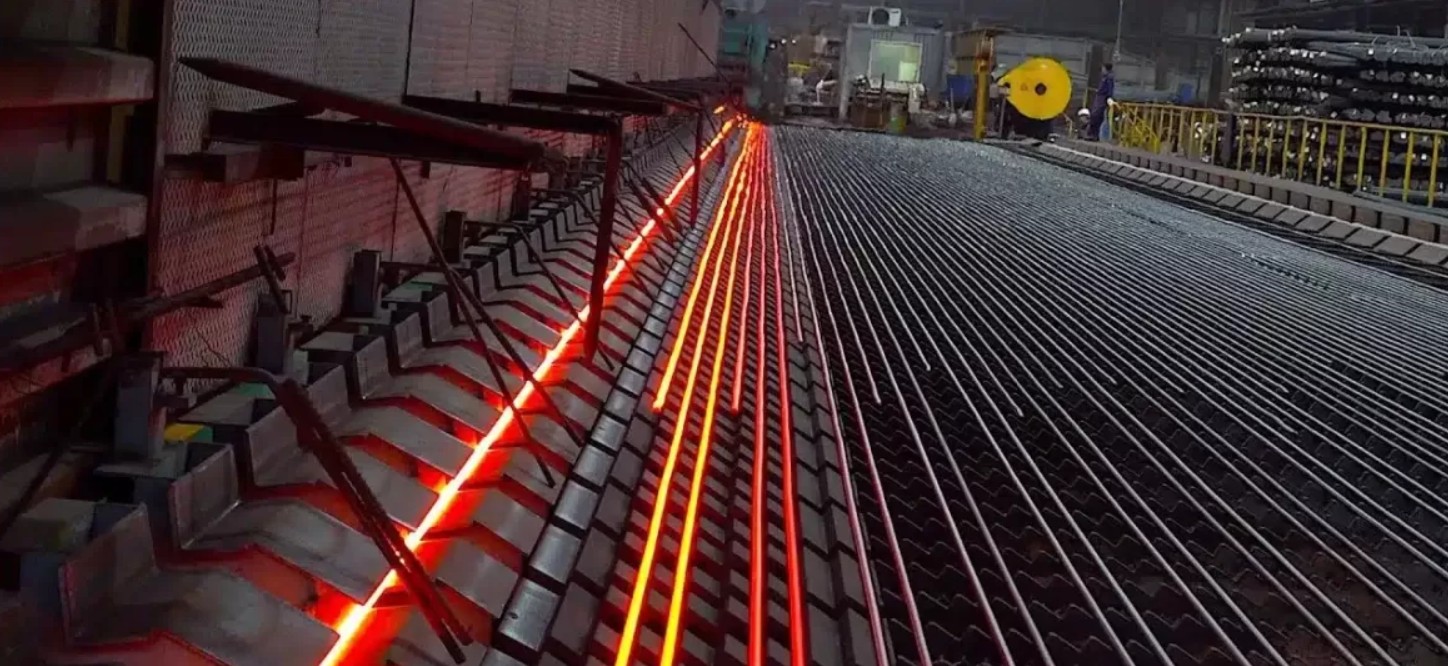
Japan, the world’s third-largest steel producer, takes a unique national approach to green steel decarbonization. The country relies heavily on blast furnace-basic oxygen furnace (BF-BOF) technology, which produces about 40% of Japan’s industrial CO2 emissions despite being highly energy-efficient. However, Japan aims to cut CO2 emissions by 30% by 2030 through a transition to electric arc furnace (EAF) steelmaking, supported by generous government tax credits. Nippon Steel and JFE Steel lead the shift, investing billions in new EAF facilities slated for completion by 2028–2030, with significant financial backing from the government under the GX Green Transformation Promotion Act.
Japanese Green Steel: Innovations and Challenges in Hydrogen and EAF Technology
Japan balances EAF expansion with hydrogen technologies to decarbonize its blast furnace operations. The Hydrogen Steelmaking Consortium, involving Nippon Steel, JFE Steel, and Kobe Steel, advances hydrogen use combined with carbon capture to reduce emissions. Despite this, full EAF adoption remains challenging due to technical limits in producing certain steel grades. Additionally, tax incentives prioritize transitioning from BF-BOF to EAF, providing $149 per ton of green steel produced, pushing companies toward greener methods. Yet, concerns persist, as Kobe Steel delays major EAF investments, focusing instead on biomass and scrap recycling to meet emission targets.
SuperMetalPrice Commentary:
Japan’s green steel strategy exemplifies a pragmatic blend of technology and policy. Strong government incentives accelerate EAF adoption, while hydrogen innovations address blast furnace emissions. This dual-path approach reflects Japan’s industrial realities and global leadership in sustainability. The success of this model will hinge on balancing technological feasibility, cost efficiency, and international market competitiveness. For global metals markets, Japan’s strategy sets a benchmark in combining fiscal tools with industrial innovation to drive decarbonization.



Leave a Reply
You must be logged in to post a comment.