


McKinsey Highlights Need for Improved Aluminum Scrap Sorting
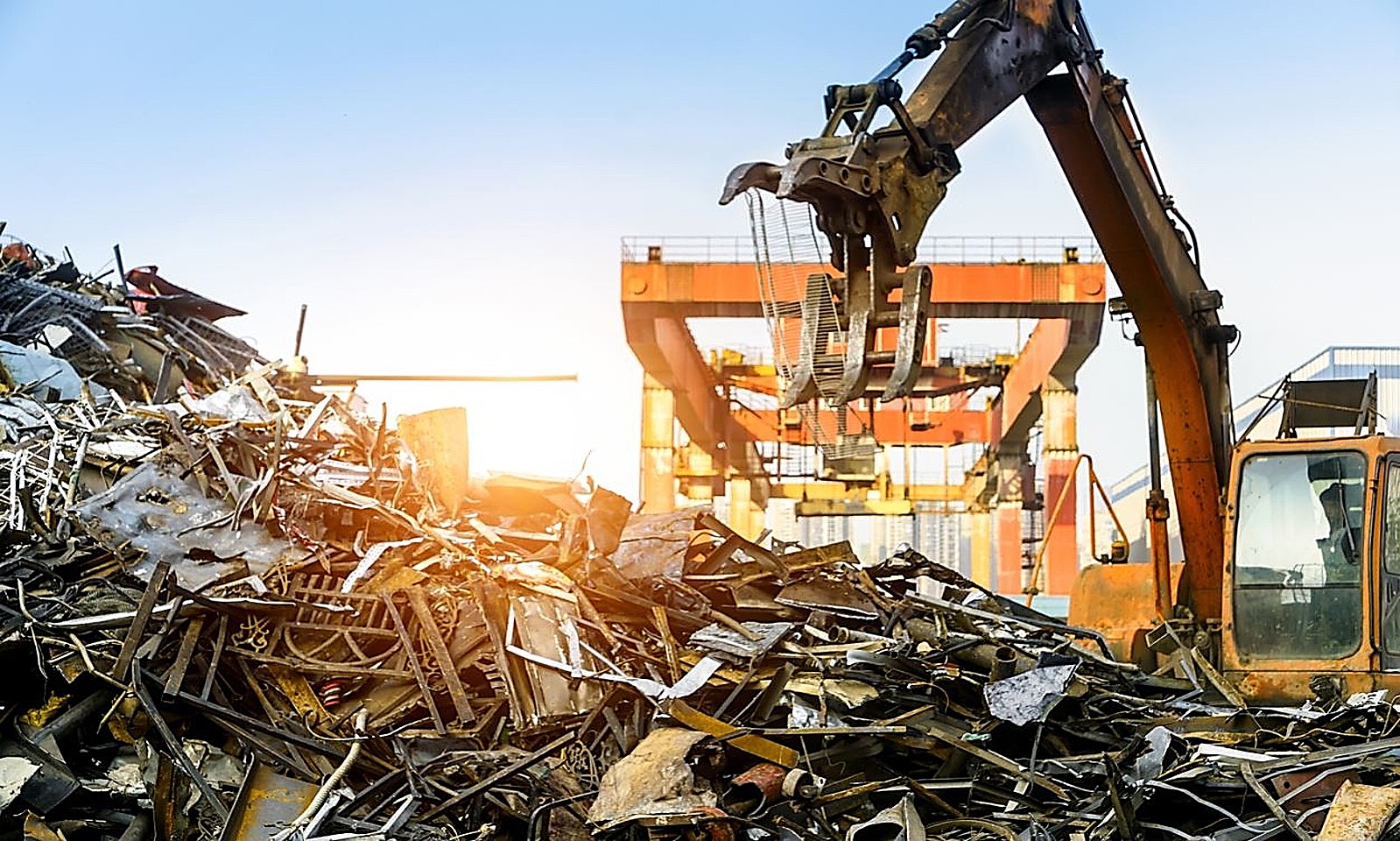
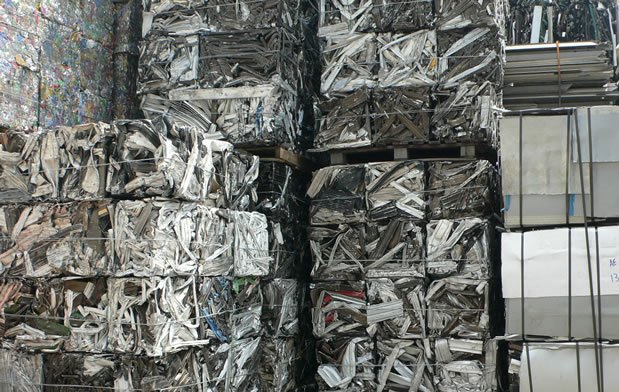
McKinsey & Co. recently emphasized the need for enhanced aluminum scrap sorting to improve recycling outcomes globally. The firm revealed that 68% of aluminum scrap originates from postconsumer sources, yet 51% of this scrap is collected as mixed alloys. This mixed collection leads to downcycling, where valuable alloys go unrecovered, reducing the quality and value of recycled aluminum.
The consulting firm recommends deploying advanced technologies such as X-ray fluorescence (XRF), X-ray transmission (XRT), and laser-induced breakdown spectroscopy (LIBS) to improve sorting accuracy. These methods help separate high-value aluminum alloys from mixed scrap, minimizing waste and boosting secondary aluminum production. Enhanced sorting will support recycling rates and reduce reliance on energy-intensive primary aluminum production.
Impact of Aluminum Sorting on Net-Zero and Circular Economy Goals
Aluminum recycling uses significantly less energy than producing primary aluminum, making it vital for achieving net-zero emissions targets. McKinsey’s report, part of its Materials Circularity series, argues that overcoming collection and sorting bottlenecks can unlock more recycled aluminum. This improvement would increase supply of high-quality secondary aluminum alloys, meeting growing demand in automotive, aerospace, and construction sectors.
Moreover, better sorting practices align with circular economy principles by maximizing material reuse and minimizing waste. As global manufacturers push for sustainability, efficiently sorted aluminum scrap could reduce carbon footprints and raw material dependence. McKinsey’s call to action urges stakeholders to adopt advanced sorting technologies and rethink scrap collection methods.
SuperMetalPrice Commentary:
McKinsey’s recommendation underscores a critical gap in aluminum recycling that impacts both sustainability and market dynamics. Increasing aluminum scrap sorting will not only improve the quality of recycled metals but also strengthen supply chains amid rising demand for low-carbon materials. Companies investing in sorting technologies like XRF and LIBS stand to gain competitive advantages while advancing global decarbonization efforts. Expect innovations in sorting and recycling infrastructure to become key drivers in the aluminum market’s transition toward a circular, net-zero future.



Leave a Reply
You must be logged in to post a comment.