


Oman Ports Assessment: Sohar Supports Base Metal Exports
The Oman ports assessment highlights the resilience of Sohar amid regional military tensions. Unlike Duqm and Salalah, Sohar continues full operations for commercial shipments.
Port of Sohar remains unaffected by drone strikes, providing a critical export route for aluminum and other base metals. Meanwhile, Duqm and Salalah temporarily suspended operations following attacks on March 3, targeting US military strategic fuel reserves.
Despite Sohar’s operational status, market confusion persists. Traders often lump all Omani ports together, causing underutilized capacity and uncertainty in supply planning.
Sohar Port Mitigates Supply Risks but Faces Logistics Challenges
The Oman ports assessment shows trucking limitations create bottlenecks for metal exports. Material can move via Sohar’s quayside, but rerouting trucks across borders adds significant costs.
For instance, transporting primary aluminum from regional smelters to Jeddah may increase costs by $45 per tonne. Overland movement of alumina proves difficult due to its powdery, flowing properties, complicating alternative shipping options.
As a result, regional producers struggle to maintain consistent export volumes. Sohar’s facilities, including Hutchison Ports Sohar (formerly Oman International Container Terminal), offer capacity that is currently underutilized due to these constraints.
Regional Conflict Pushes Aluminum Premiums Higher
The Oman ports assessment indicates European aluminum P1020 premiums surged amid Middle East disruptions, reaching $420-455 per tonne in Rotterdam, up from $360-390 the prior week.
Alumina supply from Asia-Pacific is also affected, delaying shipments intended for Gulf smelters. Most smelters lack multi-month alumina inventory buffers, intensifying vulnerability to export interruptions.
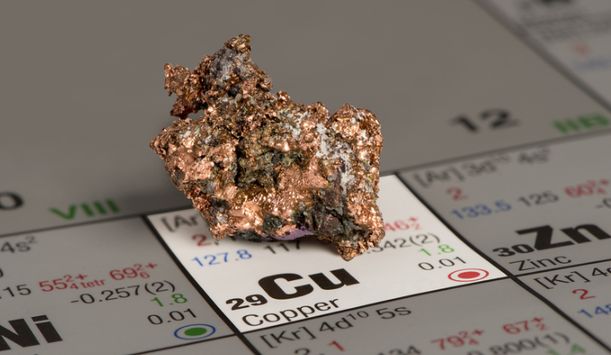
Meanwhile, secondary metals such as copper face limited regional disruption, though sulfur exports critical to African copper operations could be affected if the conflict persists.
SuperMetalPrice Commentary:
The Oman ports assessment underscores Sohar’s strategic role in sustaining base metal exports amid regional conflict. Supply chains face structural bottlenecks, especially for aluminum and alumina. While premiums rise in Europe, exporters must navigate logistical hurdles and overland trucking constraints. Maintaining alternative export routes like Sohar will remain critical for global base metal market stability.



Leave a Reply
You must be logged in to post a comment.