


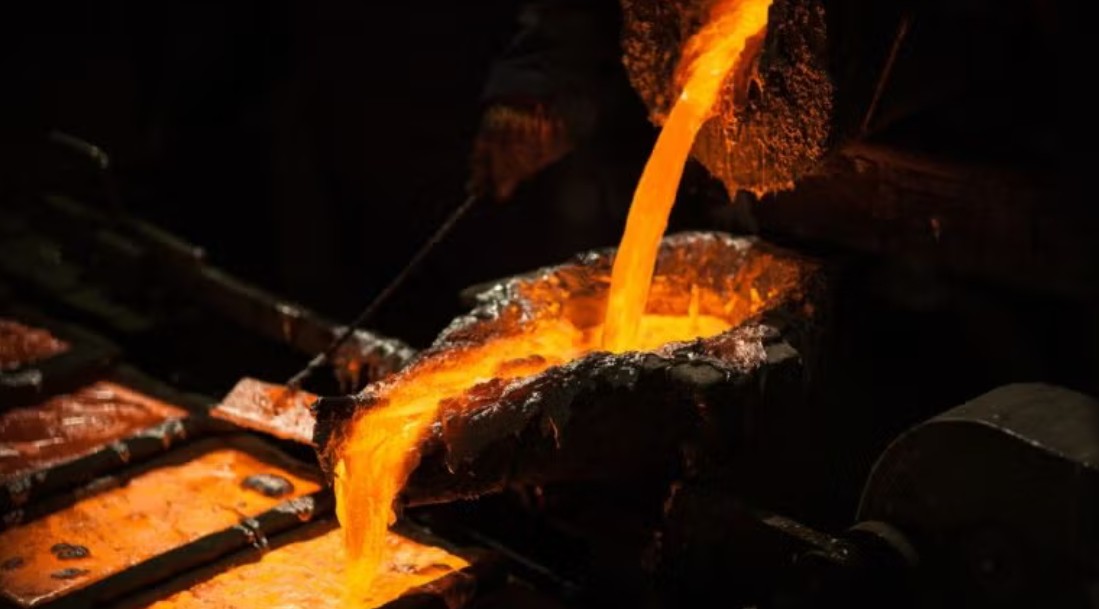
Rio Tinto has officially commissioned its $1.5 billion AP60 smelter expansion at the Complexe Arvida site in Quebec, marking a significant advancement in low-carbon aluminum production. The project, which began startup operations in March, is set to reach full capacity by late 2026. Once all 96 new pots are operational, the facility will add 160,000 metric tons of primary aluminum to the company’s annual output, solidifying the site’s role as a critical hub for high-quality, sustainable metal production in North America.
Scaling Sustainable Aluminum Technology
Specifically, the AP60 expansion is a key pillar of Rio Tinto’s strategy to modernize its North American footprint. Furthermore, by utilizing proprietary technology developed in-house, the smelter significantly improves energy efficiency and reduces environmental impact. Moreover, when powered by Quebec’s hydroelectric grid, the AP60 process reportedly generates only one-sixth of the greenhouse gas emissions associated with the global industry average. Consequently, this launch represents the first major primary aluminum project in the West in over a decade. Ultimately, it signals a significant shift toward cleaner, large-scale industrial manufacturing.

Modernizing the Supply Chain
The transition to the new AP60 pots coincides with the phase-out of aging infrastructure at the Arvida complex. These older units are scheduled for closure this June. The new smelter and a planned recycling center will ensure supply stability. They support downstream customers in the transportation, construction, and electrical sectors. This investment replaces older, high-emission capacity. It also enhances Rio Tinto’s ability to meet the growing corporate demand for certified low-carbon aluminum.
Market Impact
○ Impacted Metals: Primary Aluminum
○ Direction: Stable
○ Time Horizon: Medium-term
○ Affected Industries: Automotive, Construction, Electrical, Consumer Goods
○ Related Price Reports: Aluminum Weekly Price Report
○ Watch Item: Monitor the decommissioning schedule of the legacy Arvida potrooms and the startup efficiency of the new AP60 pots throughout the remainder of 2026.
SuperMetalPrice Commentary:
Rio Tinto’s successful commissioning of the AP60 project is a clear signal that the aluminum industry is prioritizing decarbonization as a core competitive advantage. By pairing new smelting capacity with local, low-carbon hydropower, the company is effectively insulating itself against future carbon taxation and meeting the tightening sustainability requirements of major manufacturers.




Leave a Reply
You must be logged in to post a comment.