


Scrap Metal Collection in Ukraine Decline Driven by Structural Factors
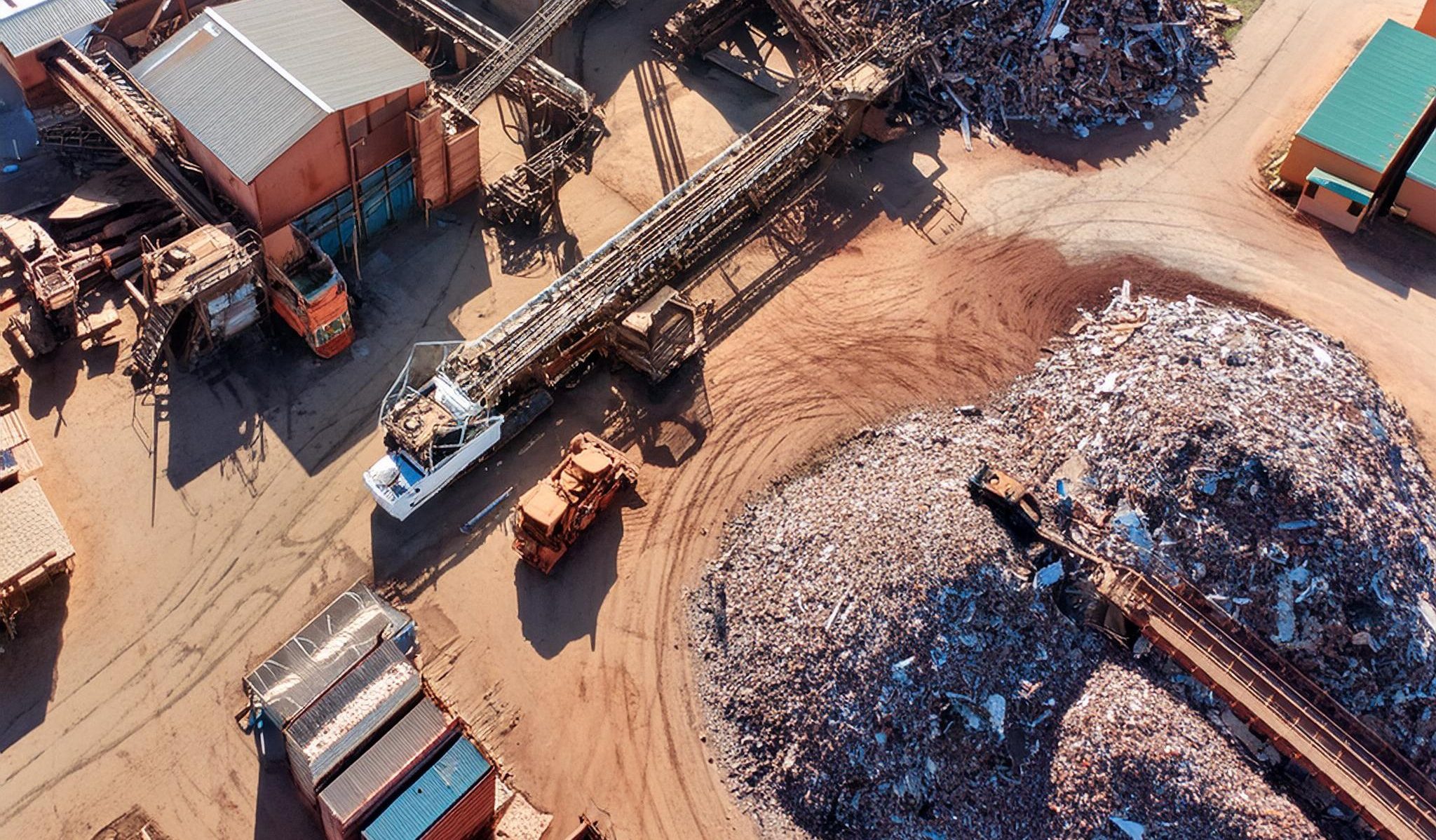
Scrap metal collection in Ukraine decline reflects long-term structural weaknesses in the economy. The industry has faced steady contraction for over 15 years. Declining industrial output and limited construction activity have reduced scrap generation.
Industrial production in Ukraine has dropped sharply over three decades. Machine-building sectors now generate minimal scrap volumes. Meanwhile, infrastructure investment has remained weak even before the war.
As a result, scrap supply relied heavily on deindustrialization. Companies dismantled idle facilities to generate scrap. However, this source cannot sustain long-term market stability.
War and Energy Crisis Accelerate Scrap Metal Collection in Ukraine Decline
The ongoing war has accelerated scrap metal collection in Ukraine decline significantly. Up to 60% of scrap sources lie in conflict-affected southeastern regions. Active hostilities have disrupted logistics and halted industrial activity.
Power outages in early 2026 further weakened collection activity. Scrap yards and processing sites faced frequent shutdowns. Meanwhile, extreme winter conditions slowed sorting and transportation operations.
Labor shortages have also intensified the decline. Military mobilization has reduced the available workforce. As a result, physically intensive scrap operations have struggled to maintain output.
Seasonal and Global Market Pressures Add Complexity
Seasonal factors have compounded scrap metal collection in Ukraine decline. Winter conditions traditionally reduce construction and demolition activity. These sectors serve as key scrap suppliers worldwide.
European markets report similar seasonal slowdowns. Shorter daylight hours and frozen ground limit operational efficiency. Additionally, weaker demand early in the year discourages active scrap collection.
However, some resilience remains in the system. Ukrainian Railways has increased scrap sales significantly. The company has streamlined operations and improved supply consistency.
SuperMetalPrice Commentary:
Scrap metal collection in Ukraine decline highlights a deeply structural issue rather than a temporary shock. War conditions and energy instability have intensified existing weaknesses. However, recovery depends on industrial revival and infrastructure investment. Without sustained economic support, scrap supply growth will remain constrained.




Leave a Reply
You must be logged in to post a comment.