


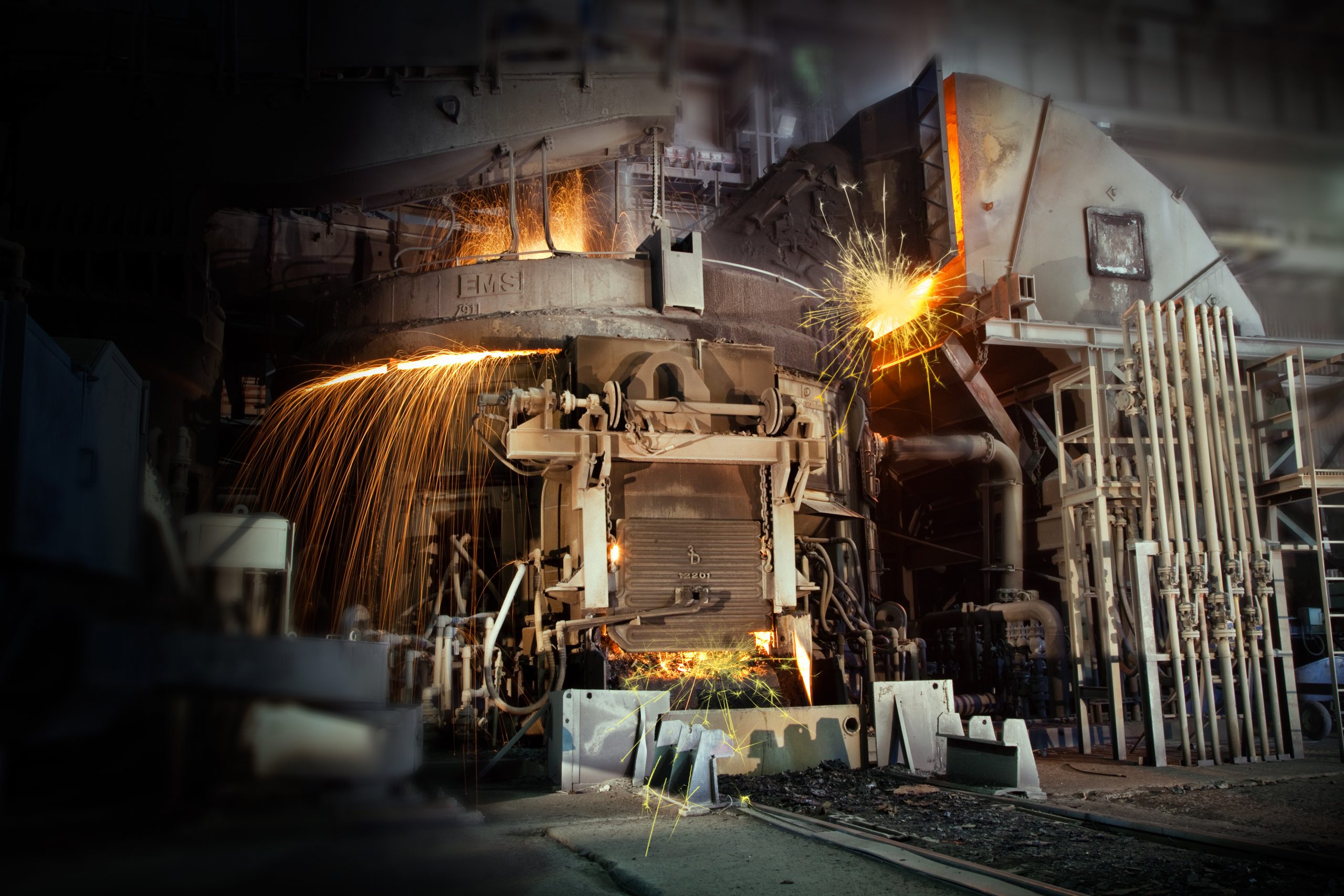
European aluminium leader Speira has commissioned its fourth tilting rotary furnace at Grevenbroich, Germany. This marks the completion of a major expansion in secondary metal processing. The multi-million-euro project expands Speira’s capacity to process dross and contaminated scrap. It converts complex waste streams into high-value recycled metal. Bringing the final furnace online reinforces scrap melting capabilities. It also optimizes energy efficiency and lowers the carbon footprint of flat-rolled products. This milestone aligns with growing industrial demand for low-carbon aluminium across Europe.
Expanding Complex Scrap Processing Capabilities
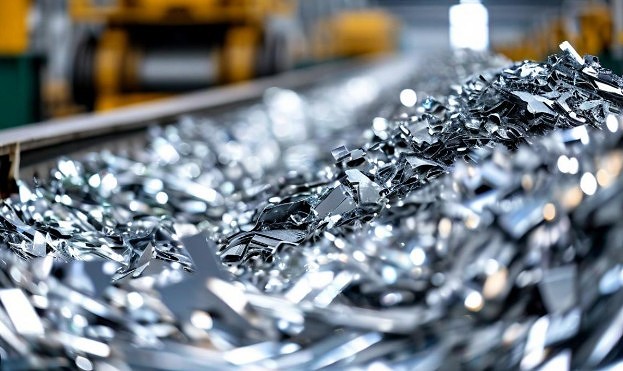
The fourth tilting rotary furnace upgrades Speira’s metal recovery operations. These furnaces handle challenging, salt-fluxed, and highly oxidized scrap. They also process dross from primary and secondary remelting. The tilting mechanism enables efficient mixing and superior thermal transfer. It also ensures cleaner salt slag separation. This allows Speira to increase metal yield from lower-grade scrap fractions. Otherwise, these materials would require intensive pre-treatment or face high oxidation loss.
Supporting Low-Carbon Aluminium Demand Across Europe
The project supports the European energy transition by replacing primary metal with recycled aluminium. Secondary production requires roughly 95% less energy than primary smelting. This translates directly into reduced Scope 1 and Scope 2 emissions for industrial consumers. European regulations like CBAM and sustainability mandates are tightening. Consequently, manufacturing sectors are actively securing certified low-carbon aluminium alloys. Speira’s expanded closed-loop recycling delivers consistent supplies of recycled sheet ingot and slab.
Strategic Supply Chain Integration and Efficiency Gains
Integrating four tilting rotary units streamlines scrap handling and minimizes logistics overhead. The upgraded hub allows immediate, onsite processing of customer scrap and manufacturing dross. This improves working capital efficiency and metal flow management. Furthermore, modern burner control systems and optimized insulation reduce natural gas consumption per metric ton. These features help insulate the facility against energy volatility while advancing long-term decarbonization targets.

Market Impact
○ Impacted Metals: Secondary Aluminium, Aluminium Dross, UBC Scrap, Cast Aluminium Scrap, 3000-series Alloys, 5000-series Alloys
○ Direction: Bullish
○ Time Horizon: Medium-term
○ Affected Industries: Automotive, Packaging, Construction, Consumer Goods, Industrial Manufacturing
○ Related Price Reports: Aluminum Weekly Price Report
○ Watch Item: European scrap collection rates and quality differentials will dictate how effectively Speira maintains target melting yields on its expanded recycling capacity.
SuperMetalPrice Commentary:
Speira’s completion of its tilting rotary furnace investment underscores the decisive shift in the European aluminium industry toward secondary processing dominance. As primary smelting in Europe faces persistent energy cost pressures and strict regulatory headwinds, major rolling mills are positioning recycled content as their primary competitive advantage. The capability to efficiently extract value from complex, low-grade scrap streams secures both margin protection and decarbonization leadership in an increasingly tight secondary raw materials market.




Leave a Reply
You must be logged in to post a comment.