


Tungsten Export Controls on Scrap and Supply Chain Security Raise National Security Concerns
A coalition of US industries has urged export restrictions on tungsten scrap and refined material. The group addressed US Commerce Secretary Howard Lutnick in a formal March 18 letter. Howard Lutnick received the appeal amid rising supply chain concerns. The coalition includes critical minerals recycler Amermin.
The group highlights tungsten’s role in automotive, aerospace, and energy systems. It calls tungsten a “bedrock material” for industrial manufacturing. Moreover, it warns that supply risks continue to grow globally.
The coalition also links supply pressure to geopolitical tensions. However, it emphasizes scrap exports as a key vulnerability. As a result, industries fear long-term domestic material loss.
Tungsten Export Controls on Scrap and Industrial Dependence
The tungsten export controls on scrap debate focuses on secondary material flows. The letter stresses that scrap contains high tungsten recovery value. Therefore, foreign buyers increasingly target US scrap at premium prices.
Industries rely on tungsten for drilling, defense munitions, and turbine systems. Additionally, manufacturers use it in cutting tools and wear-resistant components. Meanwhile, medical and radiography equipment also depends on tungsten stability.
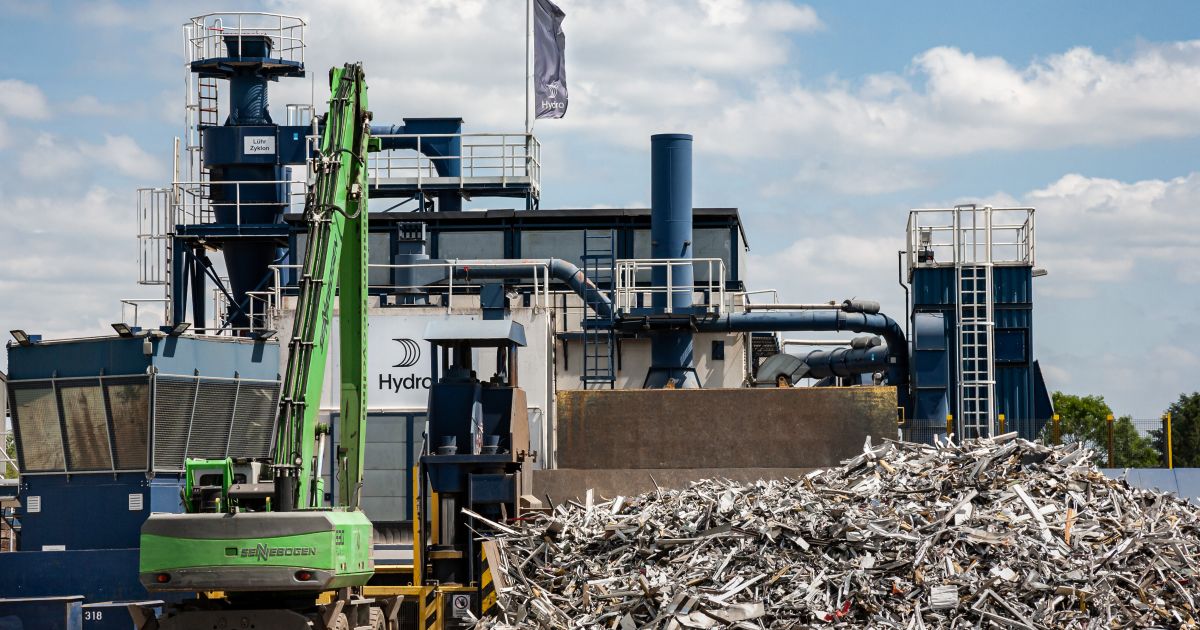
The group warns that uncontrolled exports weaken domestic recycling loops. Consequently, processors face reduced access to mill-ready tungsten feedstock. This situation intensifies pressure on US industrial resilience.
Tungsten Export Controls on Scrap and China Supply Dominance
The tungsten export controls on scrap issue reflects global supply concentration risks. China currently controls more than 80% of global tungsten supply. Therefore, market dependence on imports continues to rise.
The US has not mined tungsten commercially since 2015. However, demand continues to grow across defense and energy sectors. As a result, import reliance exceeds half of national consumption.
The coalition argues export licensing under US regulations can reduce exposure. It recommends oversight under export control frameworks. Additionally, it calls for a national tungsten strategy across agencies.
SuperMetalPrice Commentary:
Tungsten supply security now intersects with scrap market regulation and geopolitics. Export controls could tighten secondary material flows and raise domestic prices. However, stronger recycling systems may offset long-term shortages. SuperMetalPrice expects volatility to increase if policy restrictions expand.




Leave a Reply
You must be logged in to post a comment.