


2025 Aluminum Scrap Market: Tariffs and Plant Outages Shake Supply Chains
The U.S. aluminum scrap market experienced unprecedented volatility in 2025. Traders report that Section 232 tariff hikes—from 25% to 50%—dramatically shifted supply and pricing. These tariffs, combined with the removal of product and country-based exclusions, have elevated the Midwest premium (MWP) to historic levels. As a result, the U.S. became a top destination for scrap imports, especially from Mexico. This surge in material disrupted traditional supply-demand balances, widening scrap spreads and creating uncertainty for processors and recyclers.
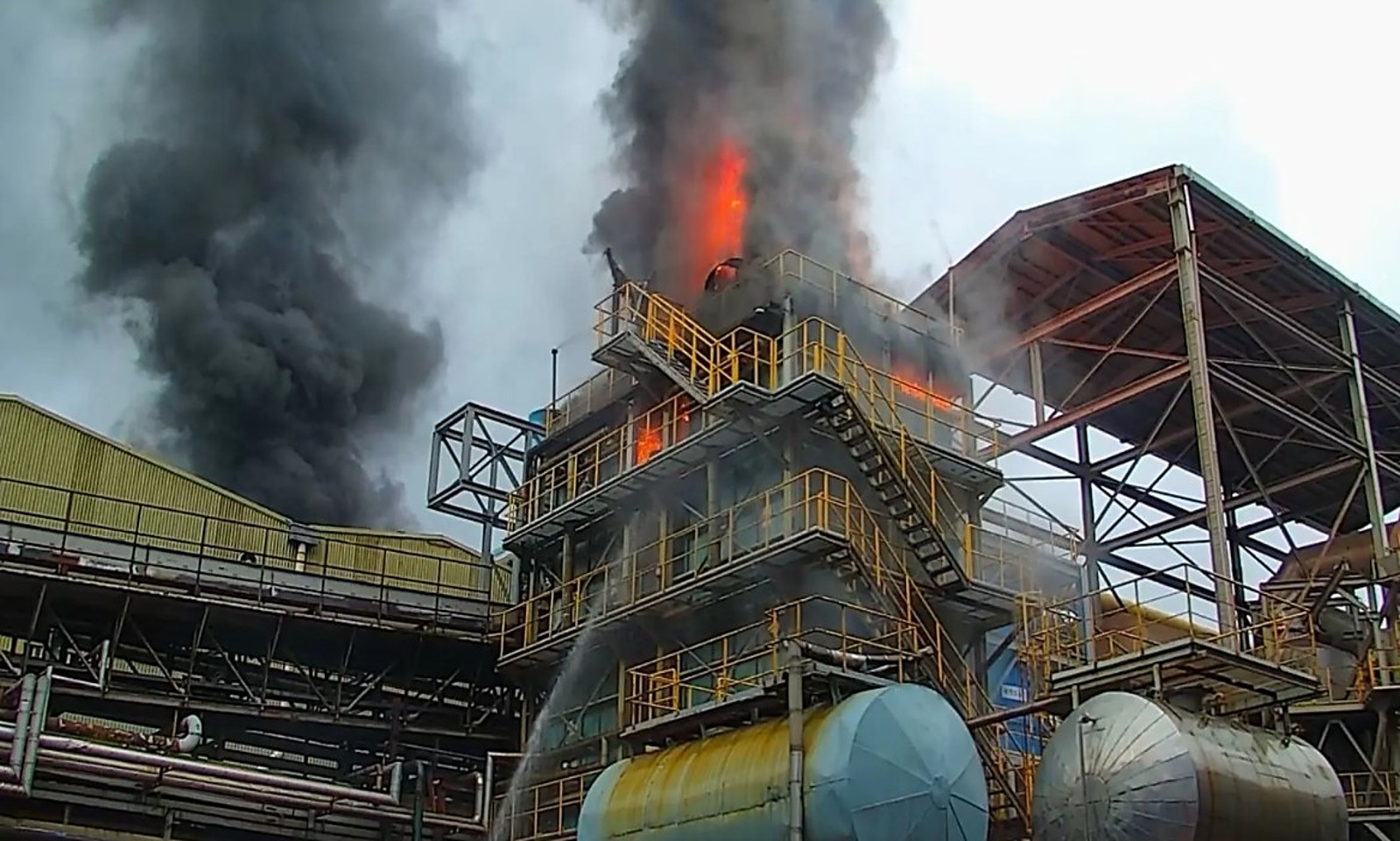
Meanwhile, production setbacks compounded market challenges. Multiple fires at Novelis’ Oswego, New York, facility disrupted over a billion pounds of annual aluminum sheet output. This shortage reduced domestic hot mill capacity, forced adjustments in ingot casting, and nullified many scrap supply contracts. Automotive body sheet demand dropped as OEM build rates slowed, further depressing secondary ingot consumption.
Market participants also highlight export volatility. While India and Southeast Asia remain active buyers of secondary grades such as taint, tabor, tense, and zorba, mill-grade scrap faces limited export opportunities due to the elevated MWP. Shipping disruptions, container shortages, and fluctuating ocean freight rates add complexity, with European ports under particular strain.
Focus on U.S. Aluminum Scrap Market and Red Metals Outlook
The U.S. aluminum scrap market shows uneven demand trends entering 2026. Traders and executives emphasize the importance of diversified consumer bases for maintaining material flow. Spot markets are active but feature wide spreads and extended delivery windows of 30–45 days. Domestic contracts are now executed at rates between previous 2025 levels and current spot pricing, reflecting tightening conditions near year-end.
Red metals faced similar pressures. Anticipated Section 232 copper tariffs initially slowed copper demand, as early imports created a temporary oversupply. Domestic aluminum demand remains muted, influenced by high prices, Oswego plant disruptions, and tariff uncertainties. Recyclers report subdued scrap generation due to lower ferrous prices, inflationary pressures, and cautious manufacturer behavior.
Freight and logistics remain critical constraints. Operating costs exceed spot truckload pricing, and carrier closures persist due to oversupply and regulatory changes. Driver availability faces pressure from updated commercial license rules and stricter English-language enforcement. Seasonal weather and holiday peaks continue to create short-term bottlenecks.
SuperMetalPrice Commentary:
The U.S. aluminum scrap market illustrates the fragility of global metals supply chains. Elevated tariffs, production outages, and shipping constraints highlight systemic risks. Strategic diversification and flexible sourcing will remain key for recyclers and processors. As 2026 begins, market participants should prepare for a catch-up phase in mills, while monitoring policy and trade developments that could drive further volatility.




Leave a Reply
You must be logged in to post a comment.