


A preliminary memorandum of understanding (MOU) between the United States and Iran is poised to reshape global commodity logistics. The deal aims to alleviate the severe energy inflation stifling steel industry profitability. Signed on June 17, the temporary truce halts active hostilities. It also establishes a 60-day window to negotiate a binding peace agreement. Crucially for global supply chains, the agreement requires Iran to permit toll-free commercial transit through the Strait of Hormuz. Traffic must be fully restored within 30 days. Iran had closed the vital shipping corridor in late February. This halted roughly 30 million tonnes of dry bulk trade per month. It also blocked 20% of global oil and liquefied natural gas (LNG) shipments. Reopening news has already driven Brent Crude benchmark prices below $79 per barrel. This is down significantly from the May peak of over $114 per barrel.
Relieving High Freight Costs for Western Steel Buyers
The geopolitical breakthrough comes at a critical time for global steel buyers. These buyers have faced compounding logistics surcharges for months. In North America and Europe, elevated fuel prices and structural driver shortages drove domestic road freight rates to unsustainable levels. In the United States, the expenditures component of the Cass Freight Index surged by 7.5% year-on-year in May. This followed a 3.5% climb in April. These gains directly inflated the landed cost of delivered steel coils and structural sections.
Across the Atlantic, European steel procurement managers report that road haulage rates escalated by €20 to €30 per tonne recently. This logistics bottleneck was worsened by German rail network upgrades, which reduced alternative freight capacity. The situation severely limited the geographic reach of southern European steel mills into central European consumption hubs. Lower diesel costs stemming from the diplomatic resolution should immediately ease these downstream distribution pressures.
Unlocking Cross-Border Steel Trade and Import Flows
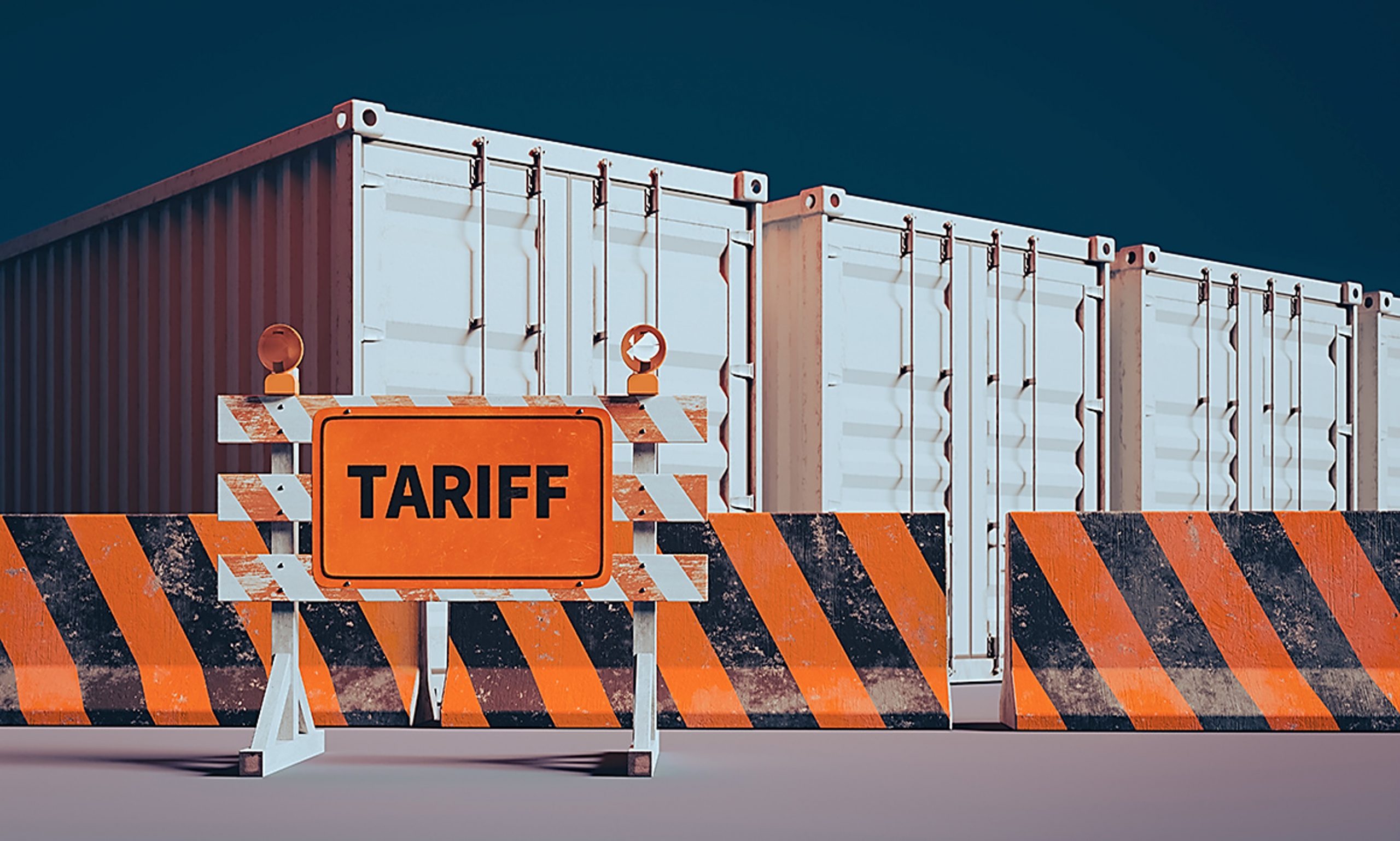
A stabilized Middle East is expected to optimize international steel trade flows. It will also lower the high maritime freight rates that previously insulated regional markets. In the United States, domestic undersupply of long products has forced buyers to look abroad despite active Section 232 tariffs. US steel imports topped one million tonnes in May, hitting a multi-month high. Preliminary licensing data showed a 60% year-on-year volume surge. Lower shipping costs will further incentivize cross-border sourcing.
In Europe, overseas steel procurement has been largely frozen. However, the combination of lower freight rates and upcoming quota renewals may soon revive imports. Market participants are anticipating clearer parameters on regional tariff-rate quotas. They are also watching compliance pathways for Carbon Border Adjustment Mechanism (CBAM) taxes. These factors could make seaborne raw materials and semi-finished steel highly competitive again.

Persistent Maritime Risks Soften Near-Term Logistics Relief
The reopening of the Strait of Hormuz triggered a drop in energy benchmarks. However, ocean freight spot rates are unlikely to collapse immediately. Container shipping rates on major routes doubled or tripled during the height of the conflict. This trend mirrored the extreme volatility seen during the 2025 Red Sea shipping crisis.
Maritime insurance premiums also doubled following the initial closure in February. They currently remain at defensive highs. Shipping lines still face lingering operational hazards. These include reported sea mines that require clearing operations. Furthermore, supply chain managers are tracking long-term structural risks. Preliminary reports suggest Iran may attempt to implement a commercial toll system in the Strait post-truce. This move could cement a baseline cost increase for dry bulk and containerized steel shipments.
Market Impact
○ Impacted Metals: Carbon steel long products, hot-rolled coil, cold-rolled coil, structural steel
○ Direction: Bearish
○ Time Horizon: Near-term
○ Affected Industries: Construction, Automotive, Logistics, Industrial Manufacturing
○ Related Price Reports: Stainless Steel Weekly Price Report
○ Watch Item: Monitor the expiration of the 60-day negotiation window on August 16 to ensure the temporary transit agreement transitions into a permanent toll-free treaty.
SuperMetalPrice Commentary:
The preliminary US-Iran peace agreement offers a vital safety valve for global steel supply chains, targeting the energy and logistics inflation that has squeezed manufacturing margins all year. While the immediate correction in crude oil prices will lower domestic trucking surcharges in the US and EU, procurement managers should not assume ocean freight rates will quickly return to baseline. Residual maritime insurance premiums and structural infrastructure risks will keep ocean transit sticky in Q3.
![[Price Reporting] Ti Alloy : Ti Gr.7, Gr.11, Gr.16, Gr.12, Ti 6242, Ti 62222](https://supermetalprice.com/wp-content/uploads/2025/02/Price-Reporting-Ti-Alloy-Ti-Gr.7-Gr.11-Gr.16-Gr.12-Ti-6242-Ti-62222-scaled.jpg)


Leave a Reply
You must be logged in to post a comment.