


Impact of Tariffs on US Steel Demand
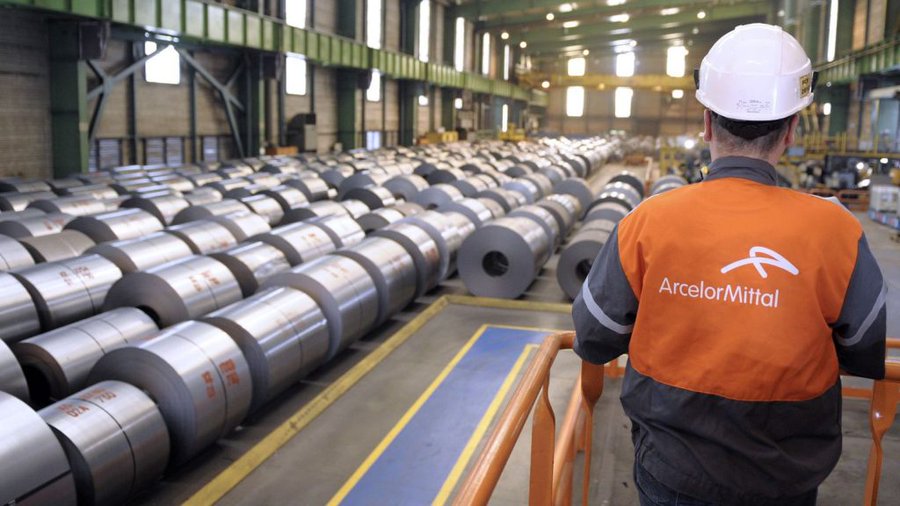
US steel demand has weakened significantly due to recent tariff changes. The 25% tariff imposed in March and the subsequent 50% tariff in June under Section 232 disrupted supply chains for distributors, processors, and end users. Domestic producers also feel the impact as demand slows down in the short term. Meanwhile, steel plants with inefficient operations have been idled as a direct result of these market shifts.
The Trump administration’s aggressive trade policies aim to rebuild domestic manufacturing but have created supply challenges. For example, the domestic plate industry relies heavily on imported steel slab, mostly from Brazil. However, tariffs have made such imports costlier and complicated supply, exposing structural undersupply issues in the US steel sector.
US Steel Demand and Mill Closures: Focus on Cleveland-Cliffs
Cleveland-Cliffs has idled three steel plants—Steelton, Conshohocken, and Riverdale—citing weak demand as the primary reason. Steelton produced railroad rails with outdated equipment, making it inefficient in today’s market. Conshohocken, a plate finishing facility, was put up for sale, reflecting a strategic focus on core operations. Riverdale produced niche, high-carbon products that face tough competition even in a down market.
Despite tariffs, Riverdale’s customers increasingly source metal from overseas. This paradox highlights the complexities of US steel demand amid tariff policies. Plate prices have also declined recently, reflecting muted spot trading and ongoing demand challenges.
SuperMetalPrice Commentary:
US steel demand remains fragile as tariffs reshape market dynamics. While intended to protect domestic industry, tariffs have disrupted supply chains, leading to mill idling and plant closures. Structural undersupply, especially of slab steel, pressures producers and consumers alike. Future policy adjustments and infrastructure investments will be crucial to restoring balance and strengthening US steel competitiveness in global markets.




Leave a Reply
You must be logged in to post a comment.