


The American Iron and Steel Institute (AISI) is pushing for stricter smelting and casting definitions under the USMCA. They want to protect regional supply chains from foreign metal. In a recent forum, AISI President Kevin Dempsey outlined the domestic steel sector’s demands. He highlighted a loophole where imported slabs rolled locally are currently classified as North American. As trade partners prepare for the USMCA review, US producers are calling for rigid origin rules. They also seek higher regional raw material thresholds for sectors like the automotive industry.
Closing the Slab Import Loophole
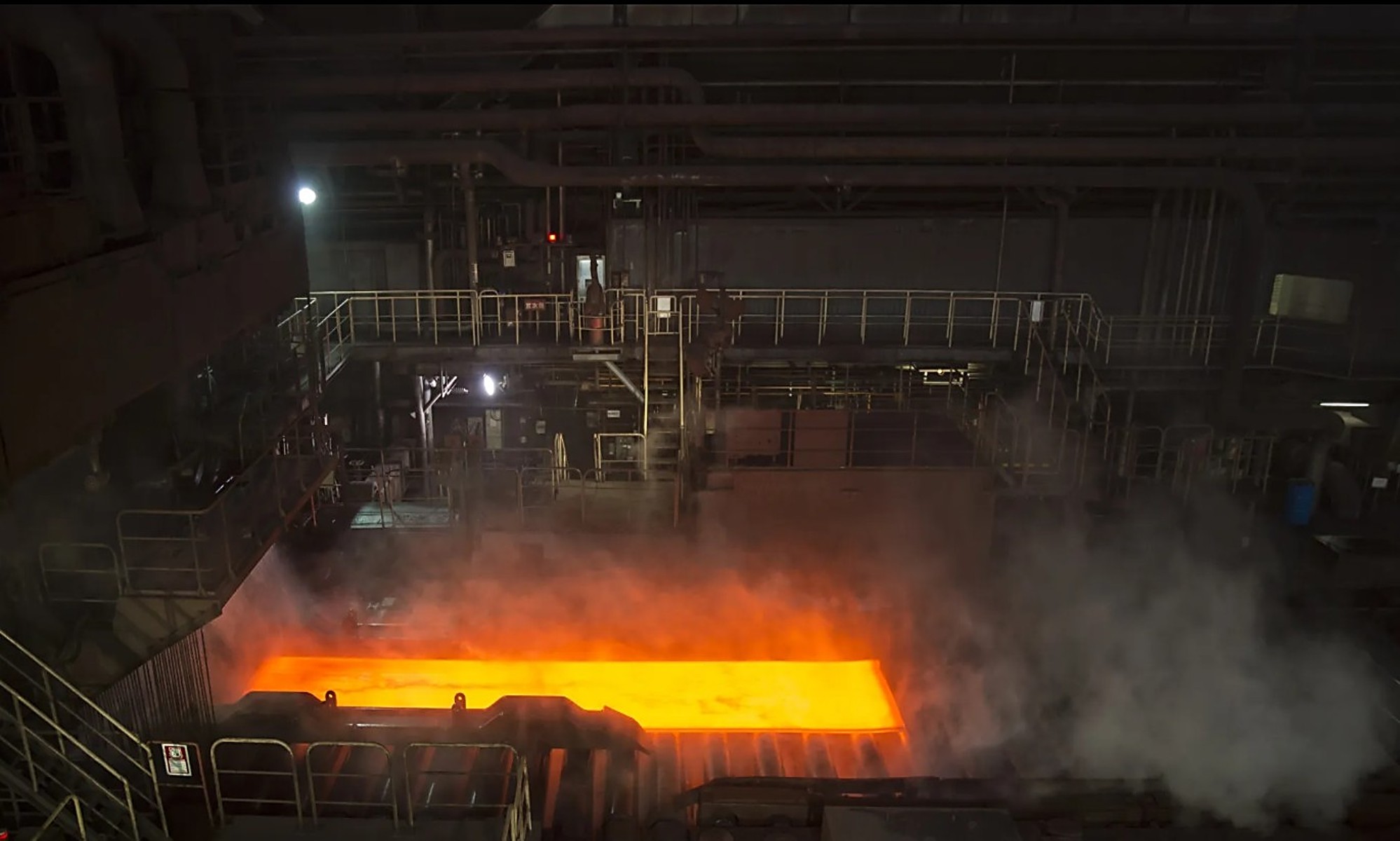
Under the current USMCA framework, foreign steel slabs can be imported into North America. They remain classified as domestic material if they are hot-rolled or cold-rolled within the continent. US steelmakers argue this practice allows state-subsidized steel to bypass trade defenses. To combat this, domestic producers want a strict “melt and pour” requirement. This would ensure the entire steelmaking process takes place within the USMCA bloc to qualify for preferential treatment.

Higher Regional Content Requirements
The industry is also pushing to increase regional content thresholds across major manufacturing supply chains. US steelmakers seek a North American content requirement of 75% to 80% for industrial sectors. They specifically want at least 50% of that volume to be sourced directly from the United States. Furthermore, AISI has urged Canada and Mexico to align their external trade defenses with Washington. This includes enacting matching 50% tariffs on third-party steel imports to prevent transshipment.
Extended Timeline for Trade Negotiations
The official deadline for the preliminary USMCA review is July 1. However, industry leadership acknowledges that an immediate tripartite agreement remains unlikely. AISI forecasts that final negotiations and policy adjustments are more realistic between late this year and mid-2027. This extended timeline comes as groups like the Steel Manufacturers of America warn of rising global overcapacity. They argue that production from China and Brazil continues to distort market pricing and undermine North American competitiveness.
Market Impact
○ Impacted Metals: Carbon Steel Slab, Hot-Rolled Steel, Cold-Rolled Steel
○ Direction: Bullish
○ Time Horizon: 2026–2027
○ Affected Industries: Automotive, Manufacturing, Construction, Industrial Supply Chains
○ Related Price Reports: Stainless Steel Weekly Price Report
○ Watch Item: Monitor the policy responses from trade ministries in Canada and Mexico regarding the proposed 50 percent external steel tariff harmonization.
SuperMetalPrice Commentary:
The aggressive stance taken by the AISI underscores a shifting paradigm toward strict economic nationalism within North American supply chains. By demanding that steel be both melted and poured within the USMCA zone, US mills aim to shut out cheap semi-finished slabs from competing nations, which would likely tighten regional supply and support higher domestic steel premiums over the medium term.


Leave a Reply
You must be logged in to post a comment.