


US Zinc Smelter Deal Under Pressure from Korean Proxy Fight
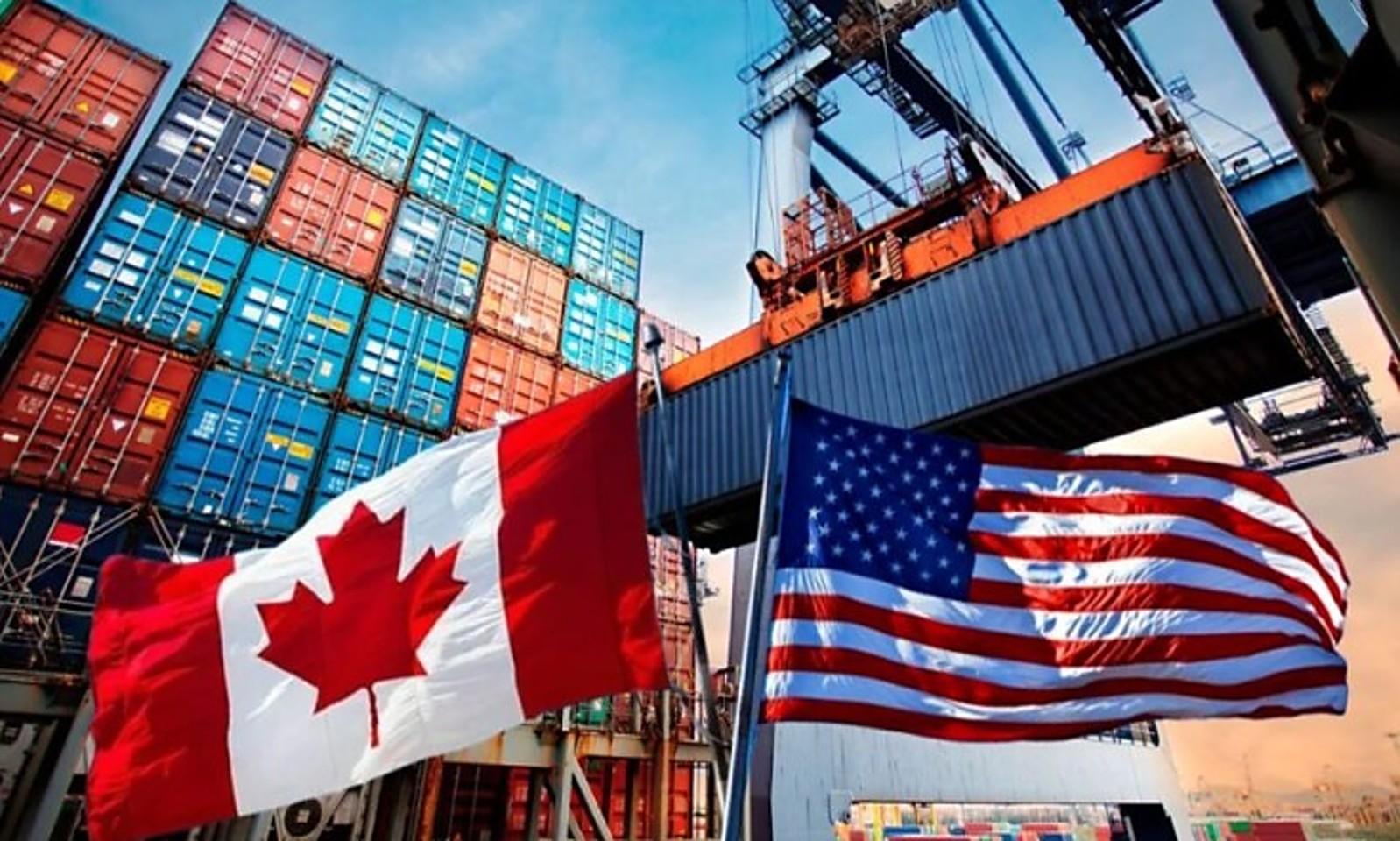
The Trump administration’s $7.4 billion investment in a US zinc smelter now faces challenges from a South Korean proxy dispute. The deal, struck with Korea Zinc, aims to boost domestic production of critical minerals. However, activist investors Young Poong Corp. and MBK Partners filed an injunction in a Korean court to halt share issuance funding the project. As a result, the smelter’s construction timeline faces uncertainty.
The administration hopes the smelter will double Korea Zinc’s revenue while ensuring US priority access to vital minerals. Meanwhile, officials emphasize that the project supports defense, aerospace, and strategic industries. Nonetheless, critics warn that government involvement in private equity stakes may complicate outcomes and create diplomatic friction with Seoul.
Strategic Implications for US Critical Mineral Supply
The smelter project represents a core part of US efforts to reduce reliance on Chinese mineral imports. American officials, including Pentagon and Commerce Department representatives, provide debt financing and attract domestic equity investors, including JPMorgan Chase. Furthermore, the site in Tennessee will integrate training with an existing facility before transitioning operations to the new plant. Consequently, the deal reflects a broader push to secure critical resources for economic and national security.
Despite legal challenges, US sources remain cautiously optimistic. The dispute highlights the complexities of balancing rapid industrial development with cross-border corporate governance. Meanwhile, investor lawsuits in Korea may delay construction but not necessarily halt the project. Strategic oversight and risk management will remain crucial as the smelter moves forward.
SuperMetalPrice Commentary:
The US zinc smelter project underscores the geopolitical and financial complexities of securing critical minerals. Proxy disputes abroad can unexpectedly influence domestic production timelines. As a result, companies and governments must monitor regulatory and corporate risks when pursuing strategic resource investments. The outcome will impact not only US supply chains but also international zinc markets.



Leave a Reply
You must be logged in to post a comment.