


Global metals and minerals prices are expected to rise sharply in 2026. This is because supply disruptions, geopolitical tensions, and resilient industrial demand tighten commodity markets, according to the latest outlook from the World Bank Group. The organization forecasts a 17% increase in metals and minerals prices this year. This will contribute to an overall 16% rise in global commodity prices. Notably, this marks the first broad annual commodity price increase since 2022.
Aluminum and Copper Lead Metals Rally
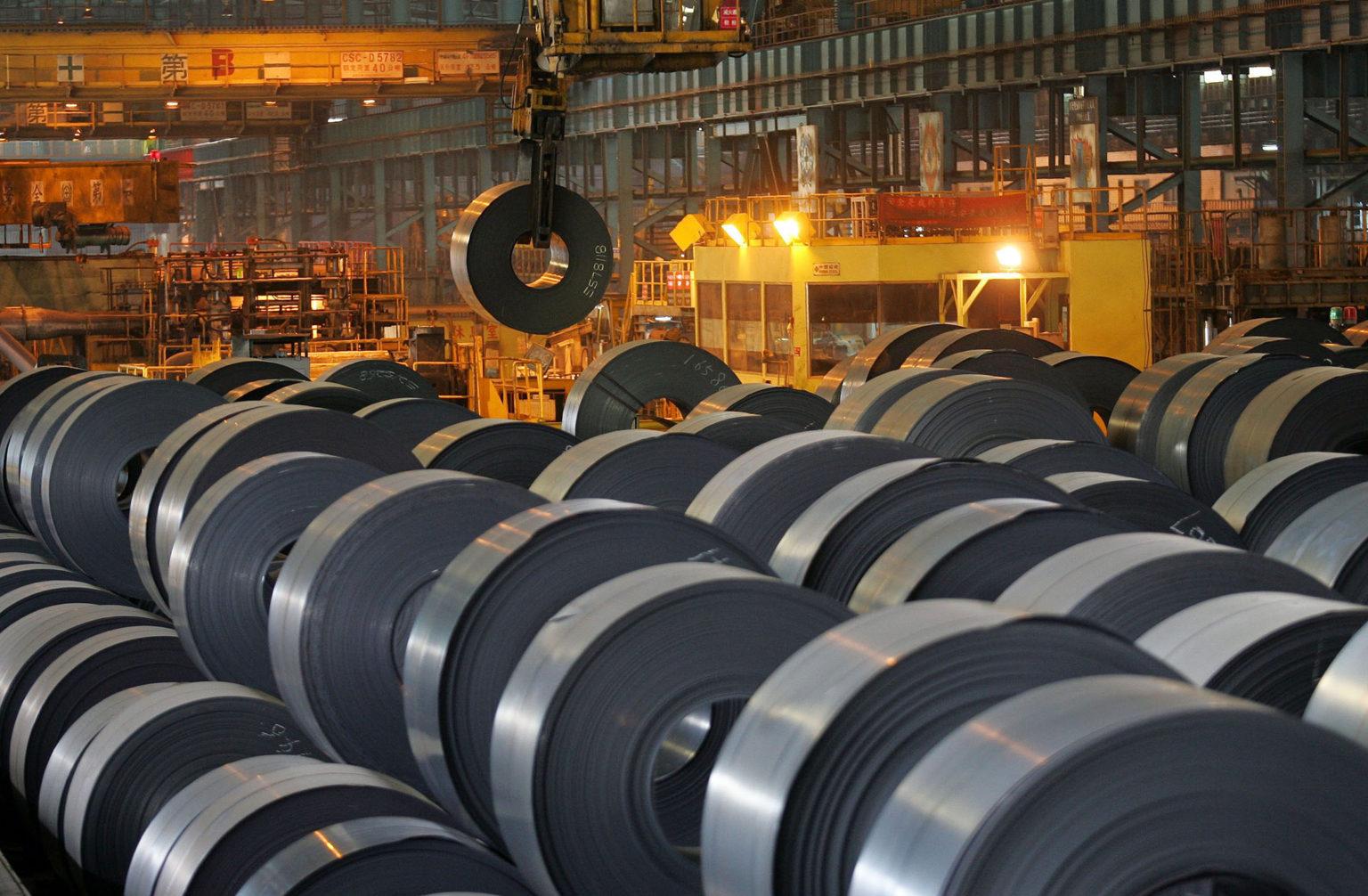
The World Bank said metals markets remain elevated due to tight supply conditions, strong manufacturing demand, and limited short-term production flexibility. The organization’s metals and minerals price index rose 13% during the first quarter of 2026. Moreover, it continued climbing in April.
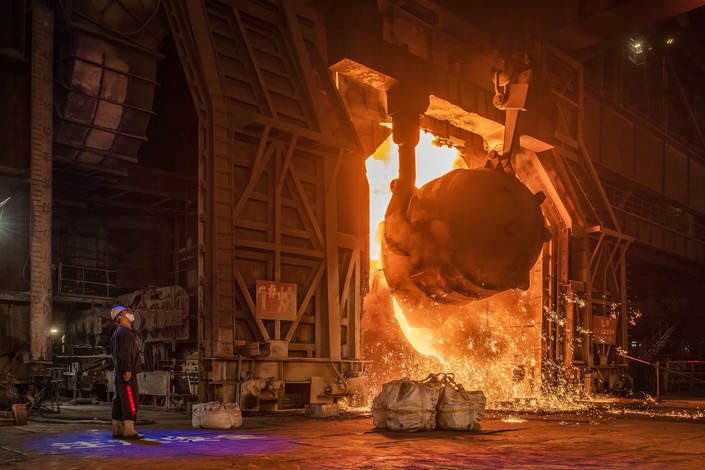
Aluminum is expected to see some of the strongest gains, with prices projected to increase by around 22% in 2026. The World Bank linked the rise to escalating geopolitical risks in the Middle East. This region plays a critical role in global aluminum supply and energy-intensive smelting operations.
Copper prices are also expected to post strong gains as demand from power infrastructure, electrification, renewable energy systems, and data center expansion continues to support consumption. However, tight copper concentrate availability remains a key market concern. In addition, slow mine supply growth is also an issue.
Geopolitical Risks Drive Commodity Volatility
The World Bank described commodity markets as highly volatile during the first quarter of 2026, particularly in energy and fertilizer markets. Ongoing tensions involving Iran, Israel, and the United States have raised concerns over supply disruptions across the Middle East. As a result, energy-intensive industrial sectors and commodity logistics are affected.
Energy prices are forecast to rise by 24% this year, while fertilizer prices could increase by 31%. Rising energy costs are particularly significant for aluminum, nickel, zinc, and other metals with high smelting and refining costs.
The organization said its current outlook assumes continued supply disruptions across key commodity supply chains. At the same time, new trade restrictions and geopolitical fragmentation could create additional pricing pressure in global metals markets.

Market Outlook Turns More Balanced After 2026
Despite the strong near-term outlook, the World Bank expects metals and minerals prices to decline by 7% in 2027. This will happen as supply conditions gradually normalize and additional production capacity enters the market.
However, the group warned that upside risks remain significant. Faster-than-expected growth in artificial intelligence infrastructure, data center construction, grid expansion, and industrial electrification could sustain elevated demand for copper and aluminum. This demand could last longer than anticipated.
On the downside, weaker economic growth in China could reduce industrial metals demand. Furthermore, it could slow momentum across global manufacturing supply chains.
Market Impact
○ Impacted Metals: Aluminum, Primary Aluminum, Copper, Copper Cathode, Nickel, Zinc
○ Direction: Bullish
○ Time Horizon: 2026–2027
○ Affected Industries: Construction, Power Infrastructure, Data Centers, Renewable Energy, Automotive, Aerospace, Manufacturing, Packaging
○ Related Price Reports: Aluminum Weekly Price Report, Copper Weekly Price Report, Nickel Alloy Weekly Price Report, Industrial Metals Weekly Price Report
○ Watch Item: Monitor Middle East energy and logistics disruptions for further impacts on aluminum smelting costs and global metal supply availability.
SuperMetalPrice Commentary:
The World Bank’s latest forecast reinforces the growing link between geopolitics, energy markets, and industrial metals pricing. Aluminum and copper remain especially vulnerable to supply disruptions at a time when global electrification and AI-related infrastructure demand are accelerating.
While the market could rebalance in 2027, near-term conditions still favor elevated price volatility, particularly if energy costs remain high or additional trade restrictions emerge across key industrial economies.


Leave a Reply
You must be logged in to post a comment.