


Chile Critical Minerals Strategy: From Copper to Lithium and Beyond
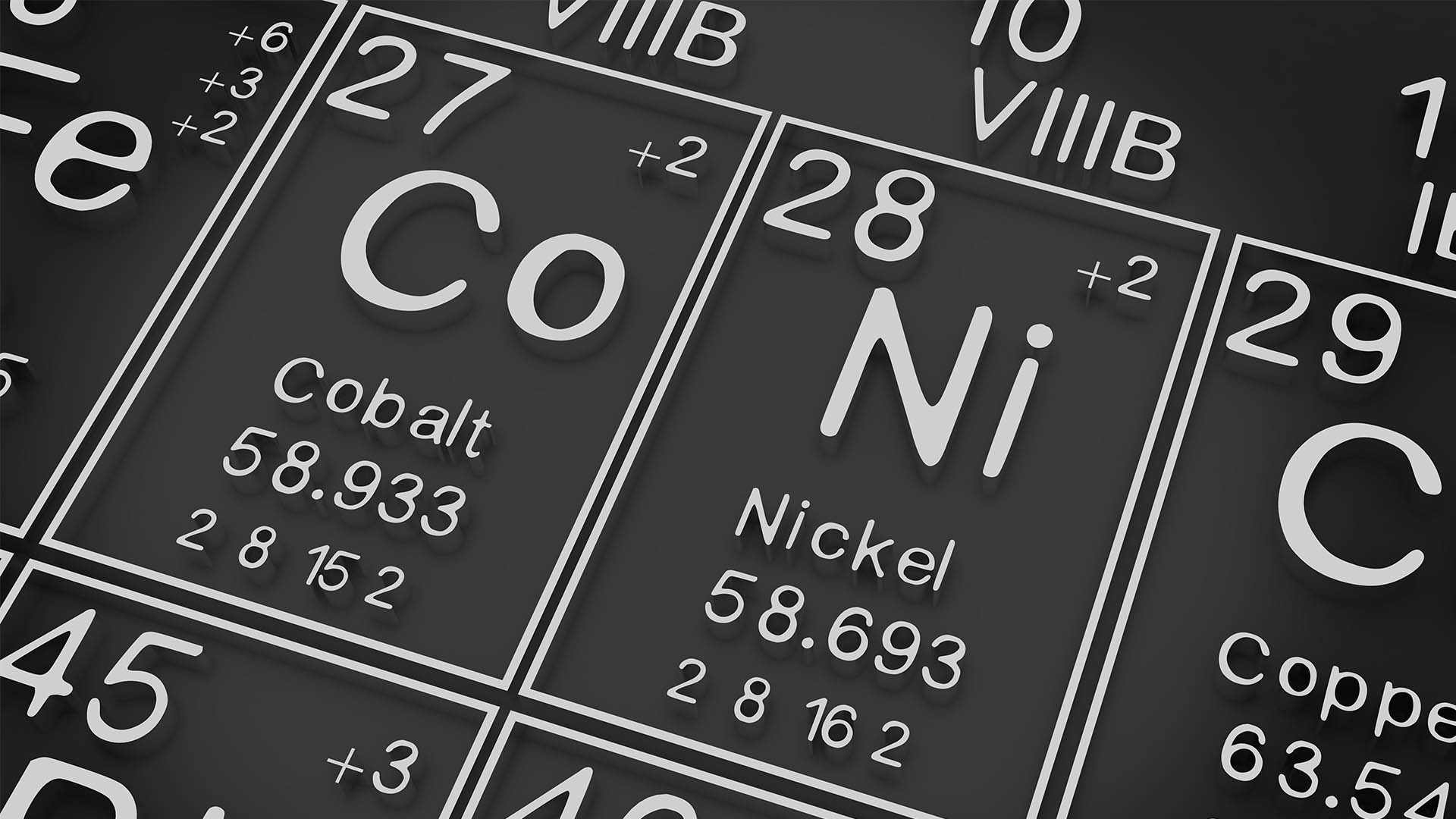
Chile has unveiled its National Critical Minerals Strategy, signaling a shift from traditional copper reliance toward a diversified portfolio. The plan targets 14 critical minerals, including copper, lithium, molybdenum, cobalt, rare earth elements, selenium, and tellurium. Officials aim to strengthen Chile’s global role as a reliable supplier amid rising demand from artificial intelligence, energy transition, and advanced technologies.
The strategy categorizes minerals into three groups. Group A includes strong global producers such as copper, lithium, molybdenum, and rhenium. Group B covers minerals with little or no current production, including cobalt and rare earths, while Group C highlights opportunities to expand domestic extraction of gold, silver, iron ore, boron, and iodine. Analysts say practical implementation remains key to realizing the strategy’s potential.
Industry experts note challenges lie in social, environmental, and institutional execution rather than geology. Category A minerals involve brownfield developments with established frameworks, whereas Category B minerals require pioneering both socially and environmentally. Execution, permitting performance, and consistent institutional capacity remain critical for attracting investment and translating policy into production.
Strategic Implications for Chile’s Mining Sector
The strategy positions Chile at the center of the global critical minerals debate, enhancing geopolitical visibility. It emphasizes value-added industries, international partnerships, and public transparency through citizen participation. While copper and lithium will remain dominant, secondary minerals like selenium, tellurium, and molybdenum present attach-rate opportunities through existing operations.
Analysts warn that the strategy alone will not change investment conditions. Real impact depends on the forthcoming action plan, clear ownership, funding, and predictable project execution. Political and social challenges, including public trust, water constraints, and permitting delays, will shape outcomes. Nevertheless, Chile could leverage the strategy to attract financing, technology transfer, and develop new industrial ecosystems.
SuperMetalPrice Commentary:
Chile’s critical minerals strategy reflects a broader industrial pivot beyond copper. While immediate production increases remain unlikely, the framework positions the country as a strategic global supplier for energy transition and technology metals. Execution will determine whether Chile converts policy ambition into market leadership, especially for lithium, cobalt, and rare earths. Investors should monitor regulatory clarity, permitting timelines, and public acceptance, as these factors will define which minerals move from strategy to tangible production.


Leave a Reply
You must be logged in to post a comment.