


China has confirmed plans to purchase 200 Boeing aircraft as part of the initial outcomes of recent China-US trade talks, while also stating that any future US tariffs on Chinese goods should not exceed the levels agreed under the current bilateral framework.
Boeing Aircraft Purchase Becomes Formal Trade Outcome
China’s Ministry of Commerce confirmed that Chinese buyers will purchase 200 Boeing aircraft under commercial principles. The US is expected to provide sufficient supplies of aircraft engines and related components, making aviation one of the first clearly identified sectors to benefit from the latest round of China-US trade engagement.
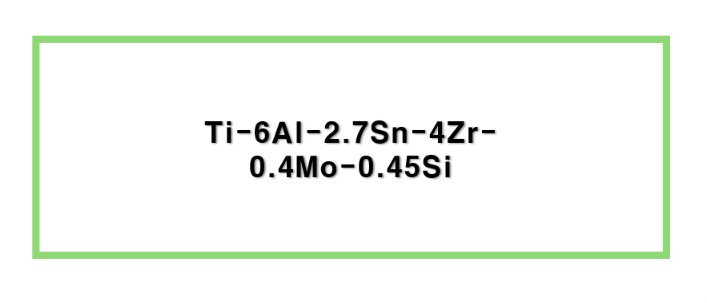
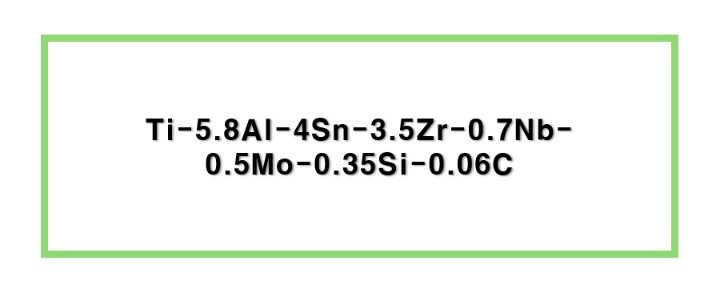
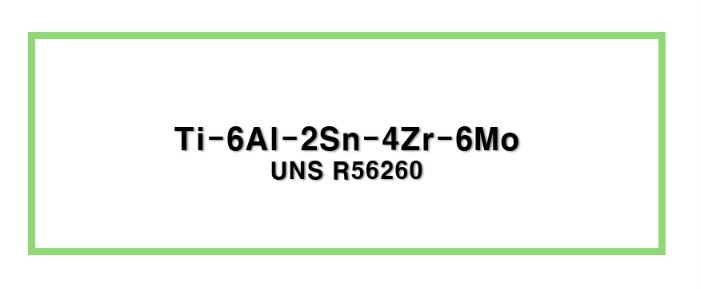
The confirmation is significant for Boeing and the broader aerospace supply chain because large aircraft orders directly affect demand for aerospace aluminum, titanium alloys, nickel-based superalloys, precision components, engines and high-performance manufacturing materials. For metal suppliers, any recovery in China-related aircraft deliveries could support longer-term demand visibility in aerospace-grade materials.
China Sets Clear Position on US Tariffs
Beijing also said it expects Washington to honour its commitments under the trade arrangement reached during China-US consultations in Kuala Lumpur last October. China stated that any future US tariffs on Chinese goods, regardless of justification, should not exceed the levels already agreed under the joint framework.
Following those talks, the US removed a 10% fentanyl-related tariff on Chinese goods, suspended a 24% reciprocal tariff for one year, and delayed implementation of a 50% export-control “permeation” rule for one year. However, Section 301 tariffs on selected Chinese products remain in place, keeping tariff risk alive for metals, components and industrial goods.
Both sides have also agreed in principle to discuss reciprocal tariff reductions covering goods of equal scale, each worth $30 billion or more. Products of mutual interest could receive most-favoured-nation tariff treatment or lower rates, depending on further negotiations.
Rare Earth and Critical Mineral Controls Remain a Key Risk
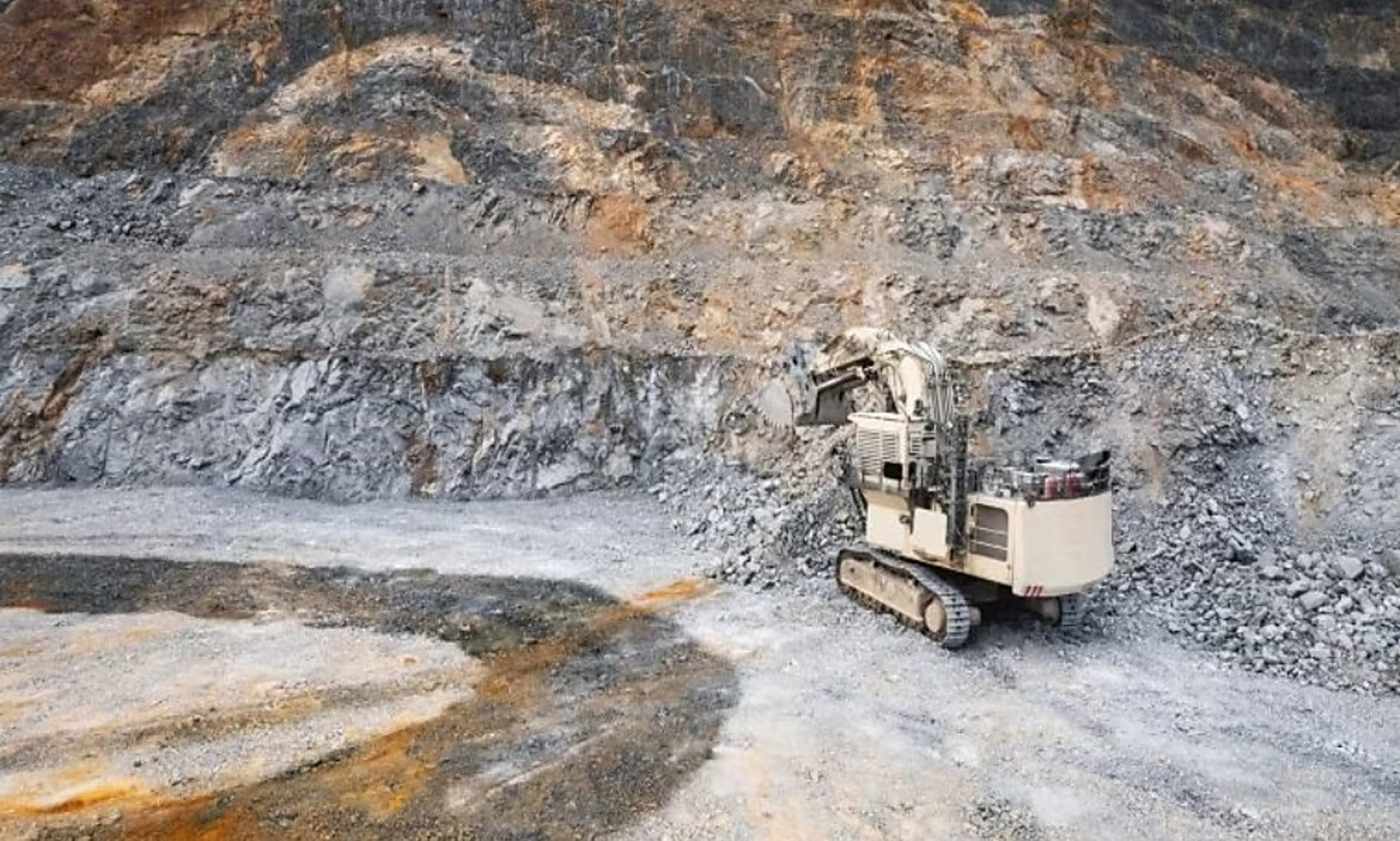
The readout also addressed US concerns over rare earths and critical minerals, including yttrium, scandium, neodymium and indium. MOFCOM said China applies export controls according to its laws and regulations and is reviewing compliant civilian export licence applications.
For buyers, the main concern is not only whether export controls remain in place, but how quickly licence volumes are approved. Market participants said some US rare earth buyers are seeing approvals equivalent to roughly one week of supply, with expectations that this could shift toward biweekly or monthly approval cycles.
Agricultural products are also expected to be included in the reciprocal tariff reduction framework. China currently maintains 10–15% tariffs on US agricultural goods, which could affect purchase volumes and remains an important factor in broader China-US trade implementation.
Market Impact
○ Impacted Metals: Neodymium oxide, yttrium oxide, scandium oxide, indium metal, aerospace aluminum alloys, titanium aerospace alloys, nickel-based superalloys
○ Direction: Mixed
○ Time Horizon: Near-term to 12 months
○ Affected Industries: Aerospace, aircraft engines, rare earth magnets, semiconductors, defence, critical minerals trading, agriculture, industrial manufacturing
○ Related Price Reports: Rare Earth Weekly Price Report, Aluminum Weekly Price Report, Titanium Alloy Weekly Price Report, Nickel Alloy Weekly Price Report
○ Watch Item: Monitor whether China expands rare earth and critical mineral export licence approvals from weekly volumes to longer-term monthly or quarterly allocations.
SuperMetalPrice Commentary
The Boeing order is commercially important, but the more strategic issue is China’s attempt to define a ceiling for future US tariffs while keeping rare earth export controls as a managed policy tool. Aviation provides a visible cooperation channel, yet critical minerals remain one of the most sensitive pressure points in the China-US trade relationship.
For metals markets, this creates a mixed signal. Aerospace materials could benefit from improved aircraft supply-chain visibility, while rare earth and critical mineral buyers still face uncertainty around licence timing, approval volumes and the risk of renewed tariff escalation.



Leave a Reply
You must be logged in to post a comment.