


The copper market may be sending a stronger price signal, but Ivanhoe Mines chairman Robert Friedland argues it still does not fully reflect the fragility of the real copper supply chain. Speaking at the FT Commodities Global Summit in Lausanne, Friedland said the rally above $13,000/t on the London Metal Exchange highlights how exposed copper production has become to disruptions in sulphuric acid, diesel and other critical operating inputs.
Sulphuric acid risk sharpens the DRC copper outlook
Friedland’s warning matters because it shifts the focus away from headline copper prices and back toward the operating conditions that determine whether supply can actually be sustained. In the Democratic Republic of Congo, a large share of copper production depends on acid leaching from lower-grade ore, making sulphuric acid availability a major market variable rather than a secondary cost issue.
He said roughly half of the copper produced in the DRC through leaching could come under pressure if sulphuric acid becomes harder to source or materially more expensive. That makes the copper market more vulnerable to upstream chemical disruptions than many investors or traders may assume. It also reinforces growing concern that conflict-related disruptions in the Middle East could affect copper indirectly through sulphur-linked cost inflation rather than through a direct interruption to concentrate supply.
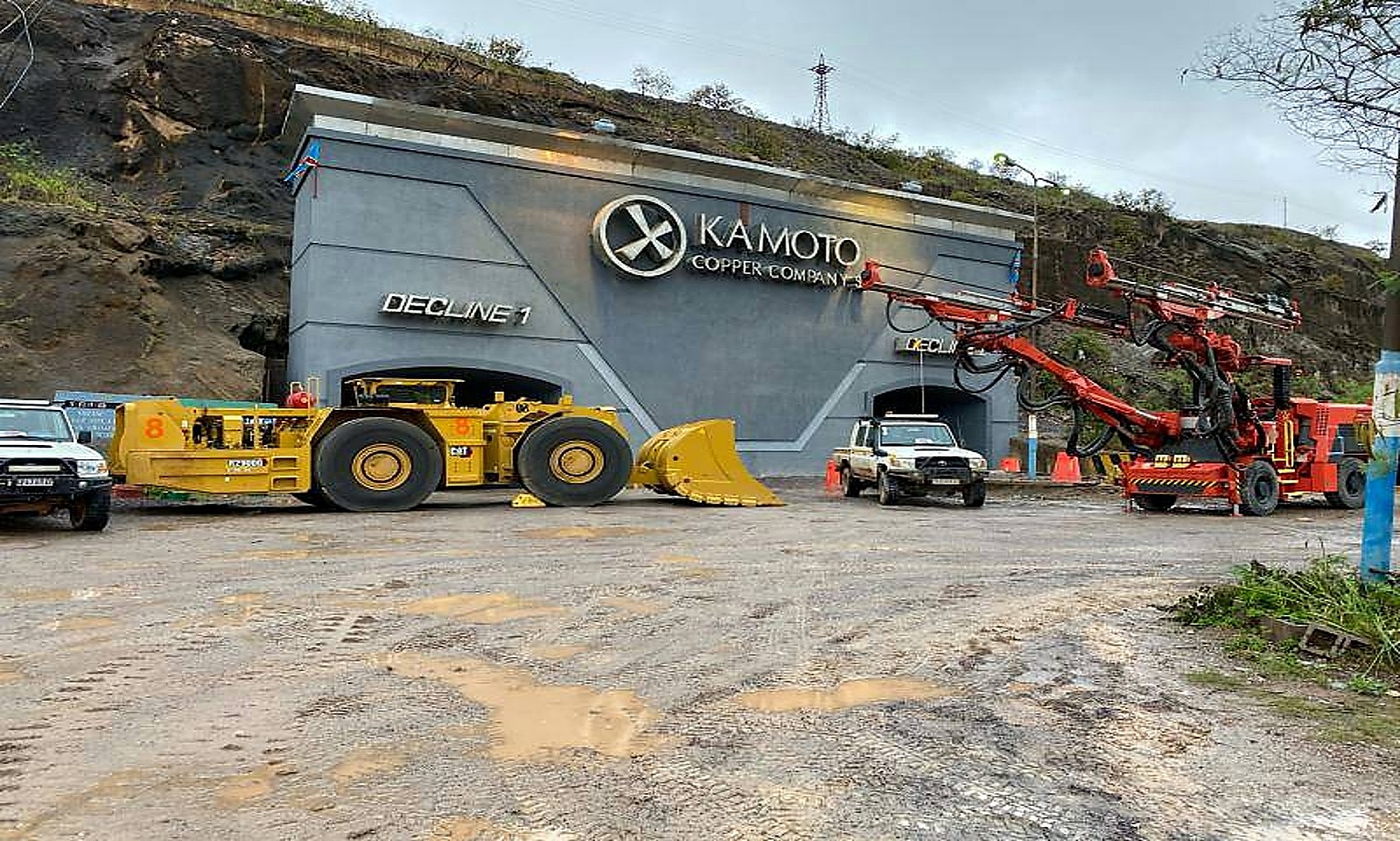
This point is especially notable because Ivanhoe is deeply tied to African copper growth through its Kamoa-Kakula operation in the DRC. Unlike many producers in the region, Ivanhoe has a degree of insulation because it produces sulphuric acid as a byproduct. The company produced more than 100,000t of sulphuric acid in the first quarter of 2026, and that figure is expected to rise significantly as the new smelter ramps up.
Diesel, logistics and strategic metals are back in focus
Friedland also pointed to diesel as an underappreciated operational risk for miners, particularly those in remote locations that rely on truck haulage or diesel-fired power. His message was straightforward: miners with meaningful exposure should consider securing as much as a year of diesel supply. Even where alternative fuel routes exist, the operational impact of current disruption may still be working its way through the system.
That broader message is what gives his remarks market weight. Friedland argued that the copper market remains too focused on visible balances and exchange prices while underestimating how fragile the physical supply chain has become. In this environment, hard assets with long lives and low obsolescence are regaining strategic importance, especially as copper demand becomes more closely tied to data centres, artificial intelligence, electrification and cooling infrastructure.
He also linked copper’s outlook to a wider shift in resource strategy, especially in the United States. Copper remains central, but Friedland argued that policymakers are also beginning to recognize the importance of less liquid but highly strategic materials such as gallium, scandium, dysprosium, rhenium and tantalum. That suggests the market conversation is broadening from industrial demand alone toward supply security, national capability and long-term resource control.
What the copper market is watching next
For now, market participants still expect moderate copper surpluses this year, helped by the supply windfall seen last year. That buffer has reduced immediate pressure, but it has not eliminated structural risk. The bigger issue is where disruption lands first and how concentrated supply becomes in specific regions or trade routes.
A key near-term theme is likely to be regional tightening, particularly in the United States, where CME-LME arbitrage is once again encouraging flows into the country. That could leave ex-US balances feeling tighter even if the global copper market still appears comfortable on paper. In other words, the copper market may look adequately supplied in aggregate while becoming more fragile in the places that matter most.
SuperMetalPrice Commentary
Friedland’s comments are important because they challenge the idea that a higher copper price alone can unlock supply quickly. In today’s market, copper production is not just about ore and smelters. It is increasingly about access to acid, fuel, logistics and regional processing resilience.
That is why the copper market’s real risk may sit less in headline mine output and more in the supporting inputs that keep marginal tonnes alive. If sulphuric acid and diesel remain volatile, the market could discover that apparent surplus is thinner than it looks.




Leave a Reply
You must be logged in to post a comment.