


A powerful El Niño weather event is threatening Europe’s energy markets, driving up natural gas and electricity prices. Title Transfer Facility (TTF) natural gas futures have jumped over 15 percent, compounding manufacturing vulnerabilities caused by shipping disruptions in the Strait of Hormuz. Because natural gas sets the marginal cost of electricity in Europe, these rising energy prices hit power-intensive primary metal producers immediately. Consequently, industrial manufacturers are increasingly viewing European aluminum and steel scrap not just as raw inputs, but as vital energy hedges.
Energy Price Surges Pressure Primary Smelters
European primary aluminum smelters are among the most electricity-intensive operations globally. Local industrial electricity prices already sit at more than double US levels. They are also 50 percent above Chinese rates. The recent El Niño-driven spike in TTF gas prices risks forcing lower operating rates. It also defers restarts for smelters exposed to spot power markets. Smaller remelters face severe margin compression. This volatility threatens to take output capacity offline and increase import dependence across the continent.
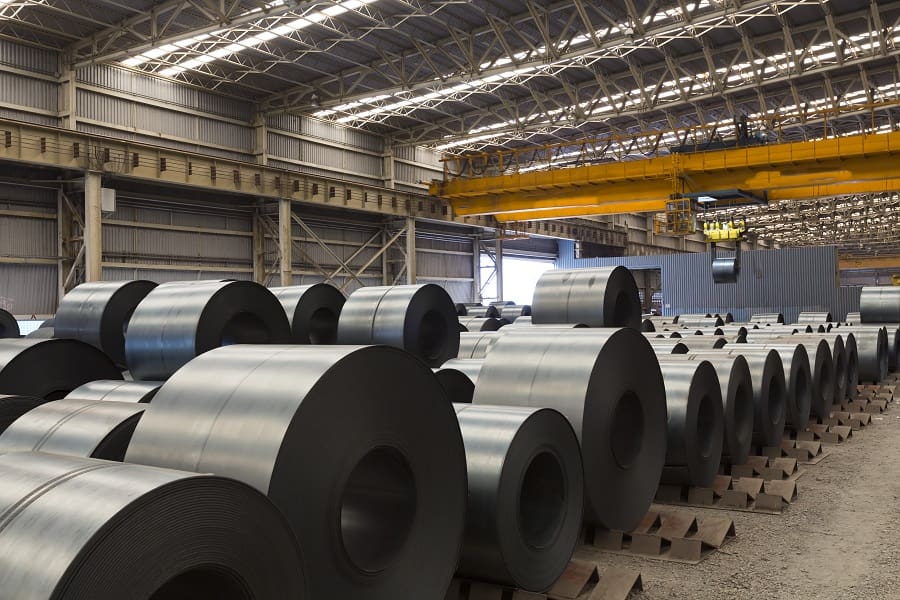
This structural energy crisis is accelerating a strategic pivot toward secondary production. Remelting and diecasting operations require only a fraction of the energy consumed by primary smelting. As a result, the domestic market is experiencing a severe flight to quality. Demand for clean wrought scrap and used beverage cans (UBC) remains highly resilient. Conversely, processing lower-grade mixed scrap is becoming commercially unviable. High electricity costs for sorting and refining make these lower grades unprofitable.
EAF Operators Face Divergent Power Costs
The same energy dynamic is widening the gap between traditional blast furnaces and electric arc furnace (EAF) steelmakers. While blast furnace operators struggle with high gas and carbon costs, EAF producers utilize ferrous scrap to lower their carbon footprints. However, EAF mills remain heavily exposed to power market volatility. Consequently, a sharp divide has emerged between mills that locked in long-term renewable power contracts and those purchasing electricity on the spot market.
As a result of this cost divergence, regional competition for clean, low-residual ferrous scrap has intensified. Specifically, EAF operators with stable power costs are aggressively bidding up premium scrap grades to maximize melting efficiency. Meanwhile, the stainless steel sector maintains relative resilience due to its high baseline utilization of recycled feedstock. Nevertheless, stainless melt shops still face operational headwinds if spot power costs continue their upward trajectory through the second half of the year.
Calls Grow for Domestic Scrap Export Restrictions
As European aluminum and steel scrap becomes a critical tool for energy mitigation, calls are growing to restrict its export. Industry executives warn that Europe risks losing its secondary raw materials to aggressive buyers in Asia. Market participants are urging policymakers to formally classify scrap as a strategic raw material and implement protective export tariffs.
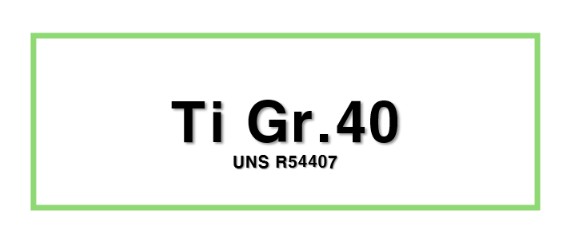
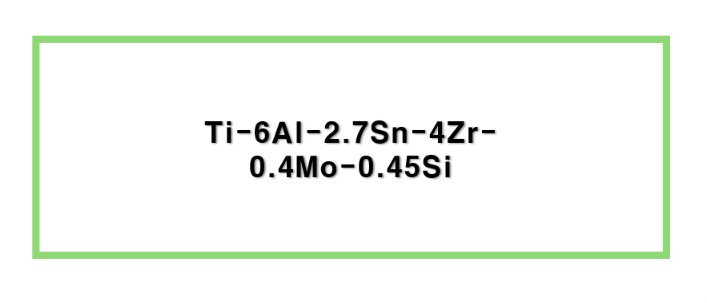
Furthermore, downstream manufacturers are being urged to adapt. Experts suggest that end users must rethink the chemical compositions of their traditional alloys. Modifying these formulas will allow manufacturing supply chains to accept wider variations of recycled feedstocks. This technical shift is increasingly viewed as the only sustainable path to navigate carbon penalties and primary smelting disruptions.

Market Impact
○ Impacted Metals: Clean aluminum wrought scrap, used beverage cans, low-residual ferrous scrap, secondary aluminum ingots
○ Direction: Bullish
○ Time Horizon: Medium-term
○ Affected Industries: Secondary aluminum smelting, electric arc furnace steelmaking, automotive manufacturing
○ Related Price Reports: Aluminum Weekly Price Report
○ Watch Item: Monitor whether the European Union introduces export restrictions or environmental tariffs on outbound ferrous and non-ferrous scrap shipments.
SuperMetalPrice Commentary:
The El Niño weather pattern is exposing the fragile energy foundations of Europe’s primary metals industry. By driving up TTF gas prices, this climate event transforms high-quality aluminum and steel scrap from mere recycling commodities into vital energy assets. European mills can no longer afford to let premium, low-residual scrap escape to overseas markets. We expect a significant push for protectionist trade policies within the EU to lock these energy-saving feedstocks inside the domestic supply chain.



Leave a Reply
You must be logged in to post a comment.