


Trade Policies Dominate Discussions at BIR Convention 2025
The BIR Convention 2025 in Bangkok focused sharply on global trade measures. Recycling leaders debated their growing impact on the metals sector. Delegates from the U.S., Europe, and Asia discussed how tariffs, export bans, and new industrial policies reshape supply flows for recycled steel, aluminum, and copper.
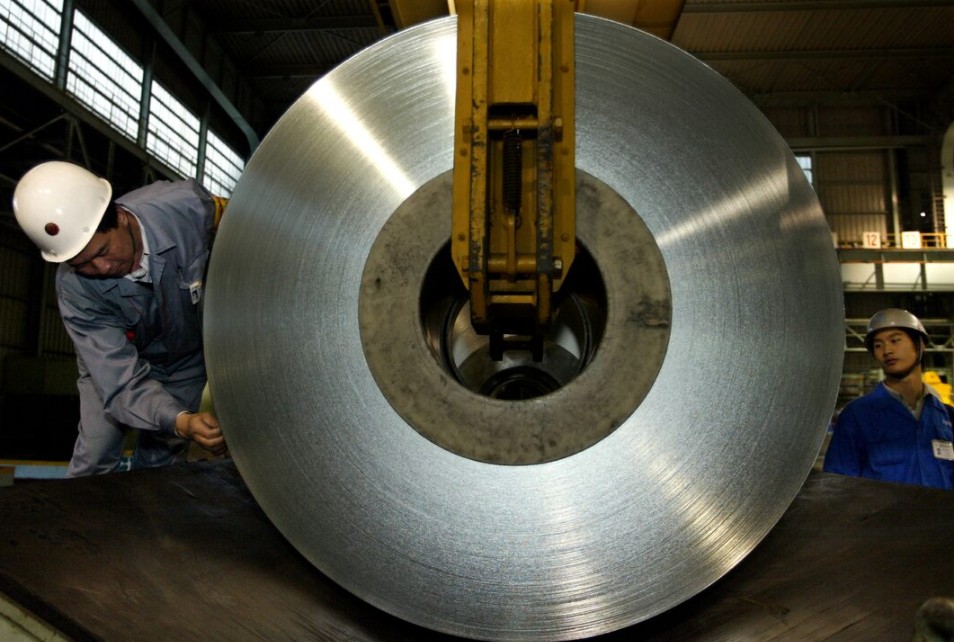
George Adams, CEO of SA Recycling, credited U.S. tariffs under the Trump administration for “saving our steel industry.” He pointed to new domestic investments, including Pacific Steel Group’s EAF mill in Mojave, California. Adams said trade protections could rebuild a “hollowed-out” U.S. manufacturing base and boost local metal production.
European recyclers raised strong concerns. Emmanuel Katrakis of Galloo Group and Recycling Europe warned that EU export restrictions on scrap metal could harm recyclers. He said natural market forces already create “perfect circularity,” as domestic demand automatically reduces exports.
Europe and Asia Confront Diverging Scrap Metal Policies
In the nonferrous sector, Adam Shaffer of the Recycled Materials Association (ReMA) criticized U.S. proposals for aluminum and copper scrap export limits. He said upcoming ReMA research will show that domestic reserves are sufficient, making such restrictions unnecessary. Shaffer warned that limits could distort global pricing and weaken recycling efficiency.
Meanwhile, Murat Bayram of EMR Ltd. rejected claims that export limits would help European producers. “The problem is not recycling; it’s the EU economy,” he said. High energy prices and weak demand remain the biggest challenges for European metalmakers.
Mark Sellier noted shifting recycling flows across Asia. China’s tighter import rules pushed processing capacity to Southeast Asia, while India has become a major scrap buyer. Recently, Chinese customs have delayed shipments to verify origin documents, signaling possible new trade friction.
SuperMetalPrice Commentary:
The BIR Convention 2025 showed an industry divided between protectionism and open-market efficiency. U.S. recyclers welcome tariffs as drivers of domestic growth, while European recyclers fear damage from export limits. The trend toward Asia’s growing role in metals recycling continues. Policy uncertainty and high energy costs are reshaping global supply chains. Companies that adapt logistics and diversify trade routes will best navigate this evolving market.






Leave a Reply
You must be logged in to post a comment.