


Overview of Price Surge for Indian Hot-Rolled Coils
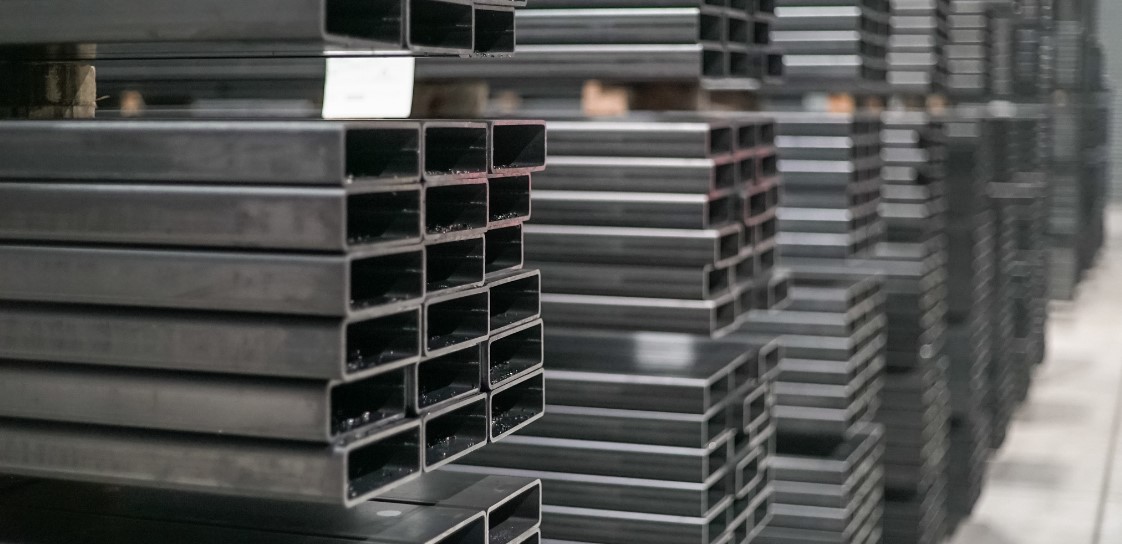
Indian hot-rolled coil prices increased by $10 per ton during the second half of April, reaching $685 per ton (FOB) from April 18-25. This rise is attributed to the introduction of a 12% safeguard duty on steel imports, effective from April 21. Additionally, a reduction in supply played a significant role in the price increase.
Factors Driving the Price Increase
The price hike is primarily driven by two key factors: the new safeguard duty and a decrease in supply from major Indian producers. JSW Steel’s Dolva plant reduced production by 40-45%, or approximately 120-130 thousand tons per month. Similarly, Tata Steel’s Jamshedpur blast furnace underwent repairs in March, which removed 200-250 thousand tons of rolled steel from the market.
Demand from Indian Automotive Sector
Despite higher prices, demand for hot-rolled steel in India’s automotive sector remains strong. In the first quarter of 2025, sales of new cars in India increased by 2.4%, reaching 1.162 million units. Major automakers raised their prices starting April 1 to offset rising costs, particularly in automotive product rentals. However, this price increase is not expected to significantly impact sales, with expectations for continued growth supported by economic factors like reduced personal income taxes and interest rate cuts.
Global Steel Market Trends
While Indian hot-rolled coil prices saw an increase, prices in Japan remained stable at $620 per ton (FOB) in April. In the Nordic region, cold-rolled coil prices also showed an increase, rising by €15 per ton. On the other hand, the U.S. market saw no change in April for heavy-duty rental prices, though North American hot-rolled coil prices may experience a decline in May.
Conclusion: Market Dynamics and Future Outlook
The Indian hot-rolled coil market is experiencing upward price pressure due to a combination of tariff impositions and reduced production. Demand from the automotive sector continues to be a critical driver of the market. Traders and producers will need to monitor the evolving global market conditions and government policies to assess their impact on future pricing trends.





Leave a Reply
You must be logged in to post a comment.