


Introduction of Scrap Export Restrictions: A New Trend
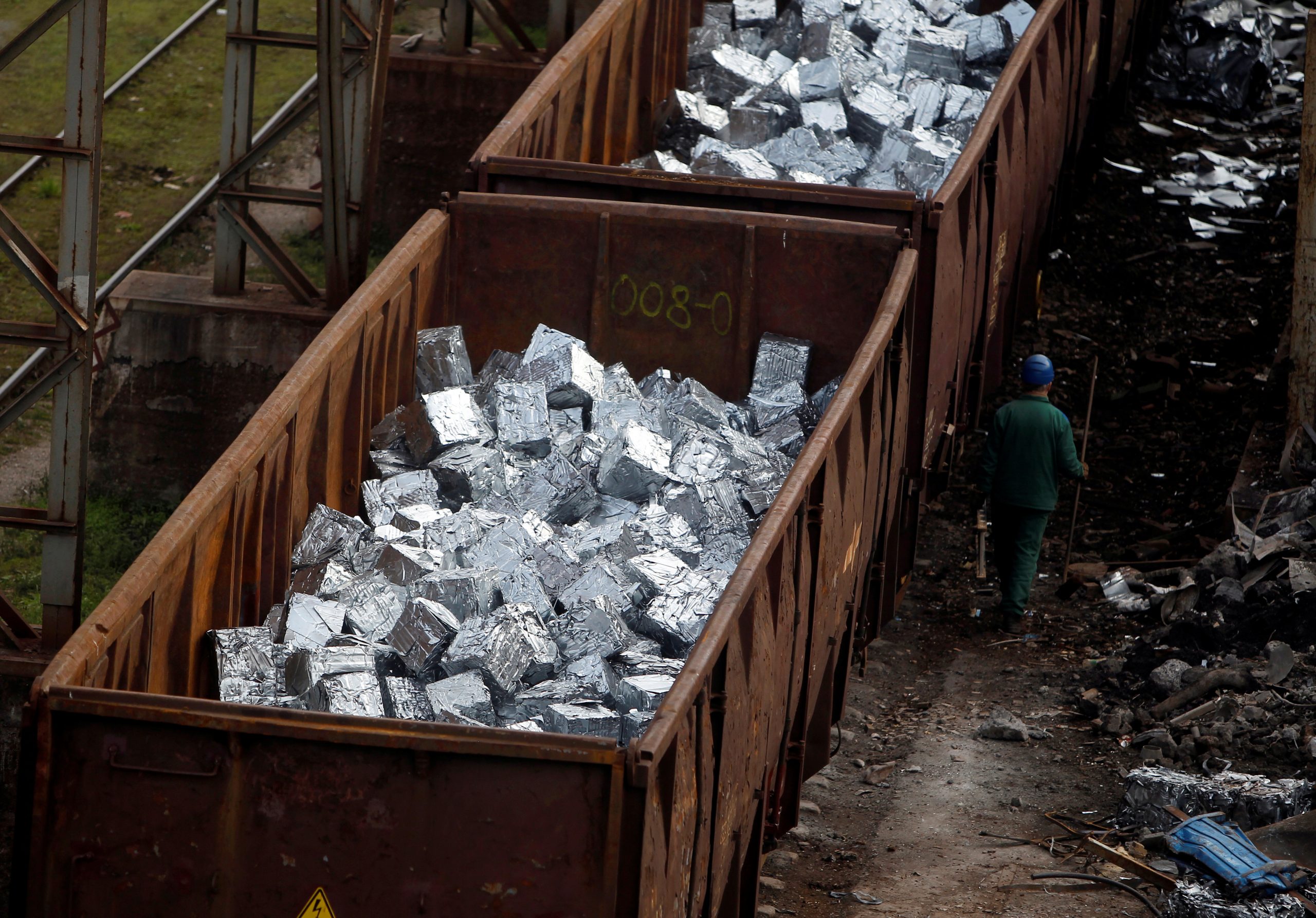
Scrap export restrictions are becoming a growing trend globally. The European Union (EU) is at the forefront, with its new Steel and Metal Action Plan, approved in March 2025. The plan suggests that the European Commission will review additional export restrictions by the third quarter of 2025. These changes follow previous actions by the European Council in March 2024, limiting scrap exports to non-OECD countries. New rules will come into effect in May 2027, creating barriers for non-OECD countries unless they meet specific requirements for scrap imports.
The Debate Over Scrap Exports
Stakeholders hold differing views on scrap export restrictions. European steel associations argue for keeping scrap within the EU. They consider it a strategic resource for decarbonization and believe securing a steady scrap supply for domestic recycling is crucial. However, the European Recycling Industries’ Confederation (EuRIC) and the Bureau of International Recycling (BIR) oppose these measures. They argue that these restrictions would harm global recycling businesses. According to them, European steel producers already have enough scrap, with 80% of it used domestically. Scrap collectors stress that continuing exports is vital for keeping their businesses alive.
The Fundamentals of Scrap Supply and Demand
Global demand for steel scrap is expected to rise by 50% by 2050. As countries like the EU and the USA increase their scrap usage to meet decarbonization goals, major producers like China and India are also increasing scrap consumption. This surge in demand raises concerns about the availability of scrap locally. Some forecasts, including those from Boston Consulting Group, predict that global demand for scrap will outpace supply, leading to a 15 million-ton shortage by 2030, compared to the current 9 million-ton surplus.
In 2023, global scrap consumption reached 650 million tons, with only 15% of it supplied via global trade. The rest, 54%, was provided through local merchant supplies, underscoring the importance of local scrap generation. With European steelmakers planning a 60% increase in electric arc furnace (EAF) capacities by 2024, domestic scrap consumption is likely to rise, putting further pressure on supplies.
The Global Impact of EU’s Scrap Export Restrictions
Should the EU implement new scrap export restrictions, other countries are likely to follow. This could lead to an increase in such restrictions worldwide. Scrap, long considered an export commodity, may lose that status as countries prioritize domestic use. Ukraine, for example, is considering a zero quota for scrap exports while aligning its policies with the EU. As Ukraine pursues EU membership, these regulations could play a key role in its economic future.
Conclusion: The Future of Scrap Trade
Scrap export restrictions are reshaping the global scrap and steel markets. With countries working to secure their scrap supplies for decarbonization and sustainability, the free trade of scrap may soon be a thing of the past. The EU’s actions are setting a precedent, and other nations, including Ukraine, may follow suit. This shift will redefine the role of scrap in global trade and could disrupt the traditional dynamics of the steel industry.



Leave a Reply
You must be logged in to post a comment.