


Latin America Steel Production Set to Drop in 2025
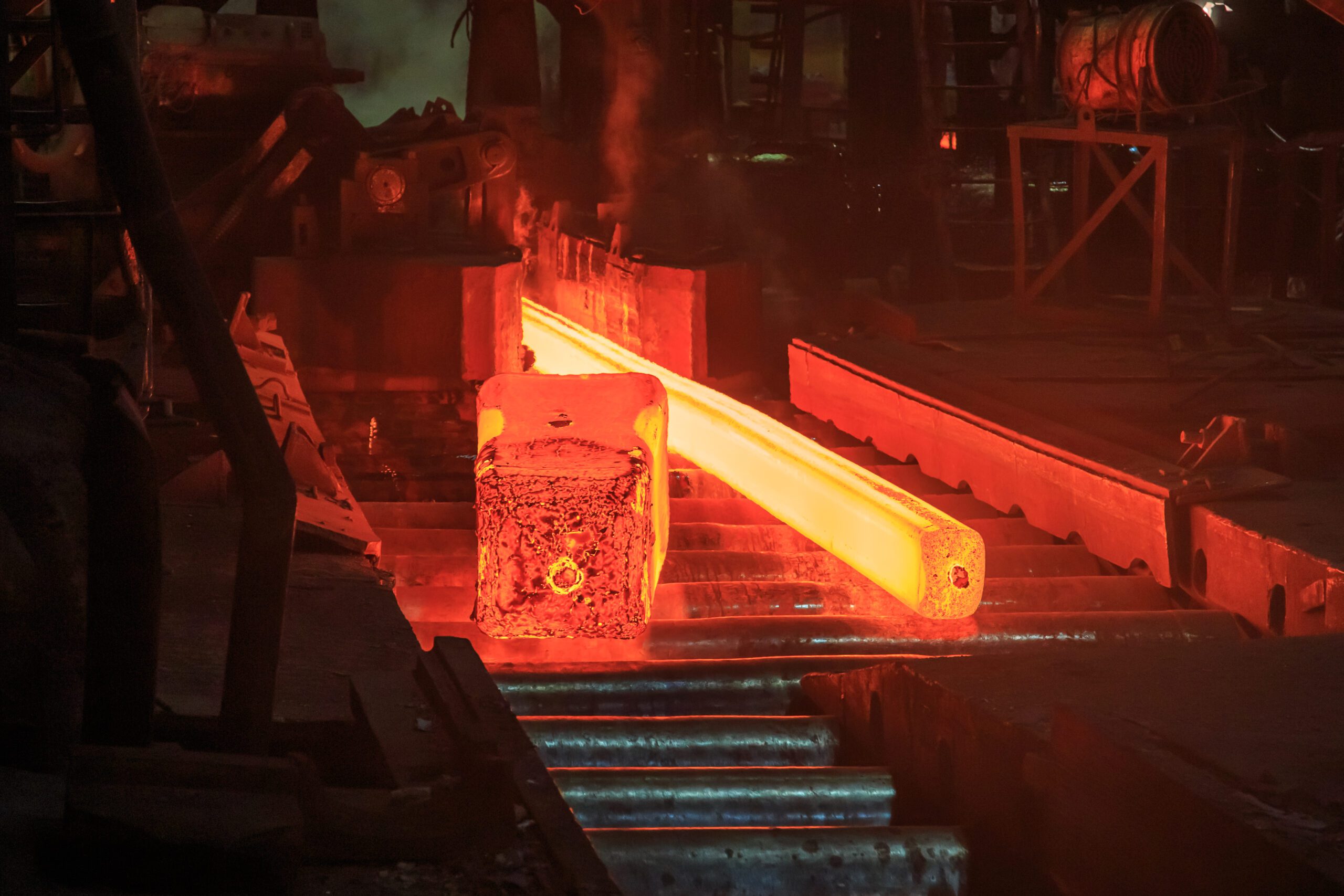
Steel production in Latin America is projected to decline by 2.5% year-on-year in 2025, totaling 55.4 million tons. Rolled steel output will fall 3.5% to 50 million tons. Brazil, Mexico, and Chile face varied challenges, with Mexico expected to see a 7.5% drop due to US trade tensions and higher tariffs. Chile will experience a 41.4% decline following the Huachipato plant closure, while Brazil will report a slight 0.8% decrease.
The Latin American steel market is increasingly dependent on imports, which will account for 39.7% of total consumption in 2025. China remains the dominant external supplier, representing 45.4% of imports. This surge contrasts sharply with the region’s historically low external sales over the last seven years and continues to pressure domestic producers.
Rising Imports and Deindustrialization Threaten Regional Steel
The Latin American steel industry faces a long-term challenge from subsidized Chinese products. Over 15 years, Chinese exports of rolled and semi-finished steel to the region grew by 233%, displacing local production and weakening industrial value chains. Regional associations, including Alacero and Canacero, warn that this trend threatens 1.4 million direct and indirect jobs. Experts call for urgent industrial policies to integrate regional value chains and counter accelerated deindustrialization.
Rising imports, trade uncertainty, and domestic plant closures are shaping a difficult landscape for Latin American steel producers. The OECD and regional steel associations emphasize the need for strategic policy intervention to stabilize production and encourage sustainable growth.
SuperMetalPrice Commentary:
Latin America’s steel industry faces structural challenges, not just short-term market fluctuations. Dependence on imported Chinese steel underscores the need for regional industrial strategies. Policymakers must enhance local value chains and reduce external vulnerabilities. Without decisive action, the region risks long-term deindustrialization and weakened competitiveness in global steel markets.


Leave a Reply
You must be logged in to post a comment.