


Low-Carbon Copper Market Grapples with Definitions, Emissions Transparency, and Pricing Premiums
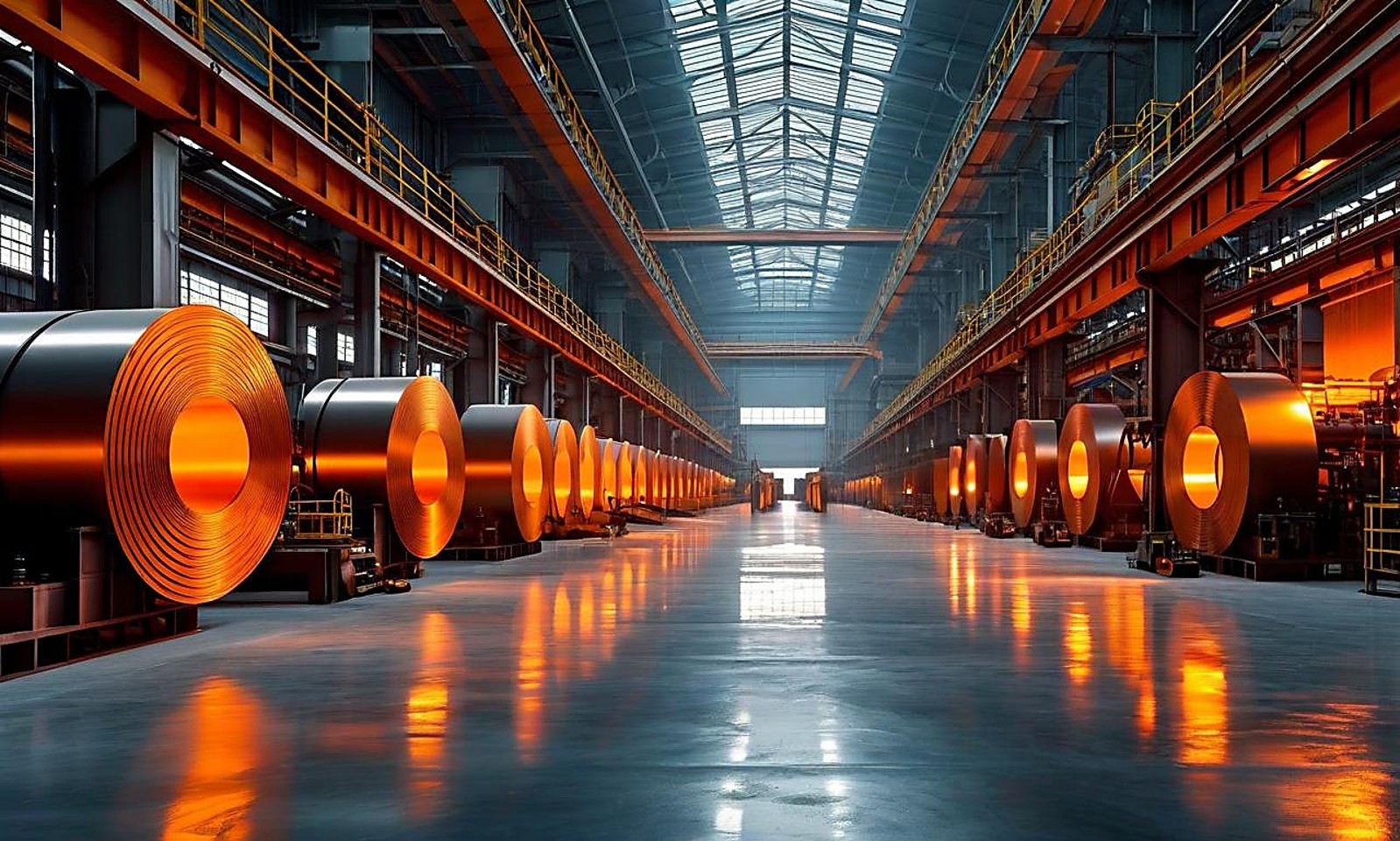
Global demand for copper surges. This growth is driven by data center expansion, renewable energy infrastructure, and electric vehicle adoption. Consequently, industrial supply chains are prioritizing decarbonization. Major producers actively report product carbon footprints. They also pursue independent verifications to capture growing sustainability demand. However, no universal definition exists for low-carbon copper. This creates an opaque market environment. Varying calculation methodologies, mass-balance accounting approaches, and different production routes make direct emissions comparisons difficult for buyers.
Production Routes, Certifications, and Industry Adoption
Producers report lifecycle emissions ranging from below 1 ton of CO2 equivalent per ton up to 1.5 tons. These figures depend on access to green electricity, recycled feedstock, and smelting technologies. Secondary production via scrap significantly reduces carbon intensity. Yet, companies like Aurubis, Boliden, and Montanwerke Brixlegg utilize diverse accounting frameworks. Despite macroeconomic uncertainties, strong interest persists from automotive manufacturers. Power cable producers like NKT and public grid operators also seek circular materials. They want to meet corporate Scope 1, 2, and 3 reduction targets.
Assessing Market Value and Emerging Price Benchmarks
Fastmarkets launched a new copper Grade A cathode low-carbon combined premium for Europe to bring pricing transparency. This assessment covers material with a maximum footprint of 1.5 tCO2e per ton. The premium ranges between 315 and 411 dollars per ton. It reflects a modest spread over standard cathode deliveries. Public procurement mandates and long-term sustainability commitments support ongoing adoption. However, actual purchasing activity remains uneven. Buyers carefully weigh environmental credentials against broader cost competitiveness.

Market Impact
○ Impacted Metals: Grade A Copper Cathode, Low-Carbon Copper, Secondary Copper Scrap
○ Direction: Mixed
○ Time Horizon: 2026–2027
○ Affected Industries: Electric Vehicles, Renewable Energy, Power Transmission, Data Centers, Electronics
○ Related Price Reports: Copper Weekly Price Report
○ Watch Item: Monitor the adoption rates and liquidity of Fastmarkets low-carbon copper cathode premiums across European term and spot contracts.
SuperMetalPrice Commentary:
Low-carbon copper is transitioning from a marketing differentiator into a formalized procurement category. As verification frameworks mature, the widening spread between standard and certified metal will test buyer willingness to pay for supply chain transparency.



Leave a Reply
You must be logged in to post a comment.