Mexico’s automotive industry continues to struggle despite the exemption granted under the US-Mexico-Canada Agreement (USMCA). Recent tariffs on exports, particularly the 25% duties on automobiles, steel, and aluminum, remain a significant hurdle. The ongoing trade tension with the United States is forcing many companies to reassess their strategies and operations.
Uncertainty Surrounds USMCA Exemption for Mexican Auto Parts Industry
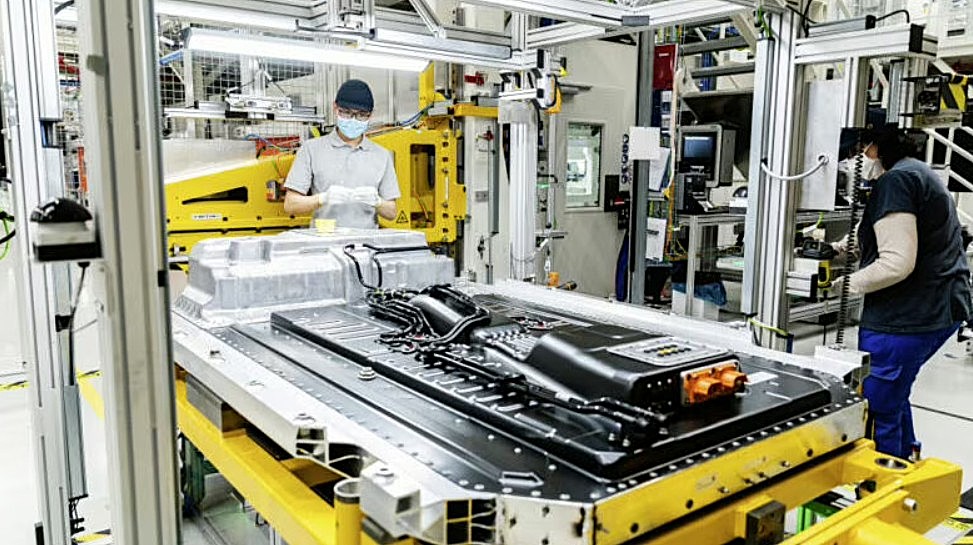
The USMCA offers some relief for imports that meet regional content rules. However, Mexico’s automotive sector still faces uncertainty. The exemption under the agreement is unclear, leaving companies in limbo. Gabriel Padilla, head of the Mexican Auto Parts Association (INA), stressed the need for tariff exemptions on auto parts. He emphasized the importance of accurately reflecting component integration levels.
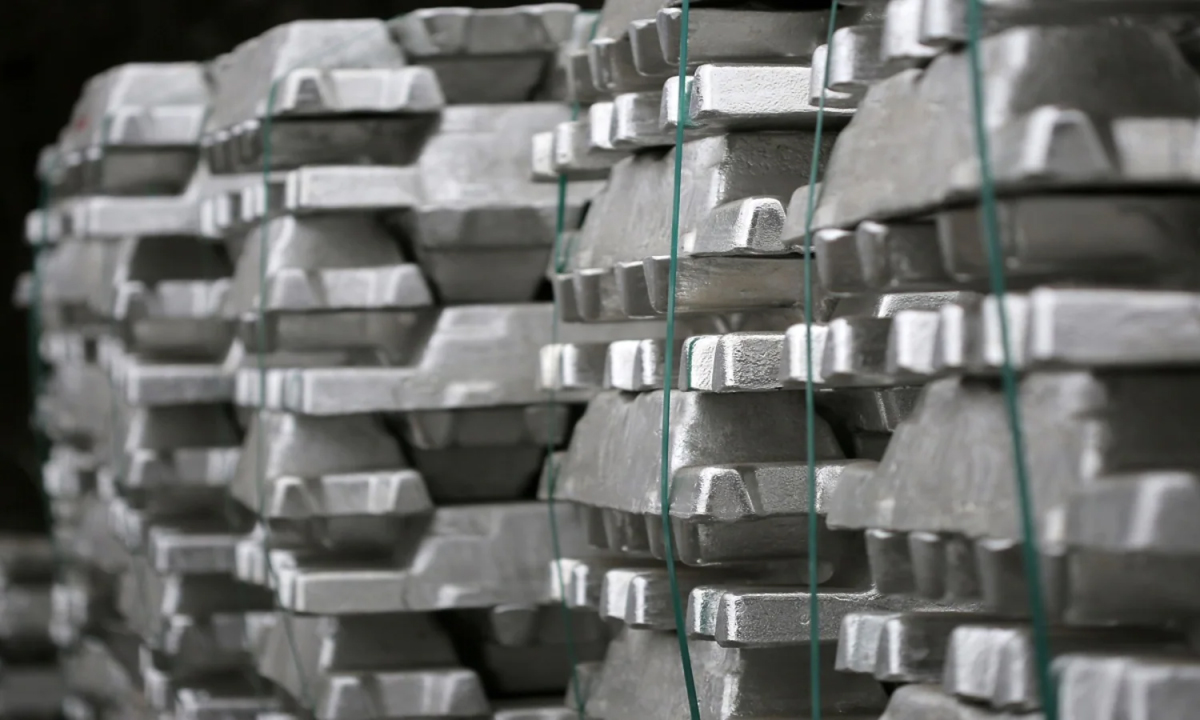
Recent studies reveal that the US’s 25% tariffs on steel and aluminum could cost Mexican auto parts manufacturers up to $2.94 billion in additional expenses. This added cost is impacting the profitability and competitiveness of Mexico’s automotive industry.
Tariff Uncertainty Leads to Decline in Mexican Auto Exports
Despite ongoing efforts to reduce these tariffs, many companies remain hesitant about exporting. Rogelio Garza, president of the Mexican Automaker Association (AMIA), noted that businesses are waiting for more clarity on tariff implementation before resuming full exports. This cautious approach has contributed to a 6% drop in Mexican auto exports to the US in the first quarter, according to national statistics agency Inegi. The decline amounts to 775,886 units, down from previous years.
Critical Months Ahead for Mexico’s Automotive Industry Amid Ongoing Tariff Challenges
As Mexico’s automotive sector faces these turbulent times, the next few months will be critical. With the USMCA exemption offering some hope, the lack of clarity on its application continues to hinder growth. The high costs imposed by tariffs on steel, aluminum, and auto parts have created additional challenges. The outcome of ongoing negotiations will determine whether Mexico can overcome these obstacles and strengthen its position in the North American automotive market.





Leave a Reply
You must be logged in to post a comment.