


Steel market participants across the Gulf Cooperation Council (GCC) expect a slow normalization of supply chains. Raw material inflows remain sluggish despite a potential US-Iran peace deal. While regional market sentiment has improved, the physical steel market remains cautious. Buyers continue to grapple with high freight costs and elevated insurance premiums. Residual supply chain disruptions also weigh on the market. Production delays, shipping stoppages, and previous force majeure declarations have left procurement managers hesitant. Most prefer to wait before adjusting buying strategies. They want to verify the permanent reopening of critical trade corridors first.
Reopening of the Strait of Hormuz to Ease Raw Material Constraints
A formal peace accord will likely reopen the Strait of Hormuz. This step should impact steelmaking raw materials well before finished steel pricing adjusts. GCC steel mills have faced severe shortages of iron ore pellets, direct reduced iron (DRI), and hot-briquetted iron (HBI). Premium steel scrap supplies also fell since logistics through the strait were disrupted. Regional electric arc furnace (EAF) production relies heavily on these seaborne metallics. Iran was a major merchant DRI and HBI supplier to Gulf producers prior to the conflict. The war forced local mills to seek alternative sources. Some UAE operations mitigated shortfalls by sourcing materials from Oman. However, producers like Bahrain Steel faced severe delays. The company had to redirect iron ore shipments as far as India. Traders anticipate a gradual return of these stranded bulk cargoes once vessel access stabilizes.

Bulk Disruptions Accelerate Regional Demand for Semi-Finished Billet
The persistent squeeze on raw material flows has shifted regional purchasing patterns. Buyers now favor semi-finished steel products. Billet has emerged as a preferred replacement for missing metallics. It can be transported flexibly via land routes when maritime lanes are compromised. Saudi Arabian buyers have aggressively secured import billet, including a major cargo from India. This material is currently discharging at western Saudi ports. It is being trucked across the country to eastern manufacturing hubs despite high domestic freight costs. Concurrently, small volumes of Iranian billet continue to move through alternative trade channels. These cargoes offer competitive prices around $410 to $420 per metric ton FOB. However, strict import certification still limits its entry into the UAE.
Finished Steel Production and Export Rebound Face Extended Lag
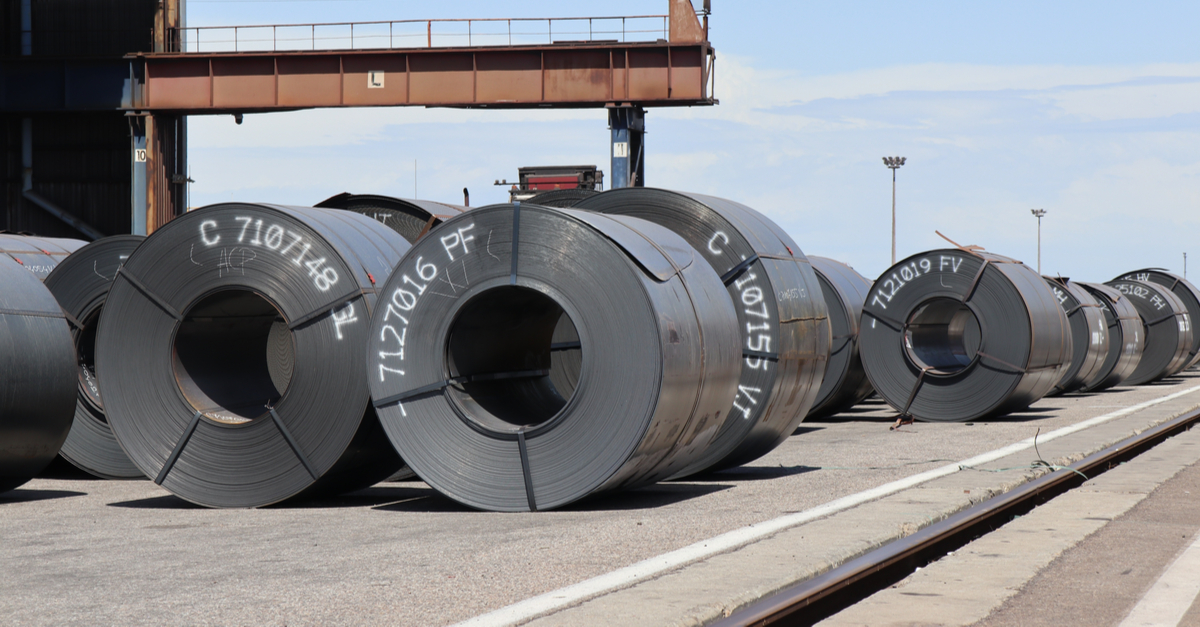
Regional long and flat steel prices surged during the maritime conflict. Any downward adjustment will take time. The UAE ex-works rebar index escalated by $90 per metric ton to reach 2,750 dirhams ($750). Meanwhile, hot-rolled coil (HRC) CFR UAE import values climbed $110 to $600 per metric ton. Prominent regional mills, including Saudi Arabia’s Hadeed, implemented substantial price hikes. These hikes hit both rebar and HRC over the first half of the year. Mill pricing is expected to soften as operations normalize. However, regional producers must first clear backlogs and rebuild depleted inventories. They also need to secure lower freight rates. Furthermore, outbound GCC finished steel exports face ongoing resistance. International buyers demand a risk discount following recent supply volatility. European Union quotas and Carbon Border Adjustment Mechanism (CBAM) compliance create additional export hurdles.
Market Impact
○ Impacted Metals: Carbon steel billet, direct reduced iron, hot-briquetted iron, iron ore pellets, steel rebar, hot-rolled coil
○ Direction: Uncertain
○ Time Horizon: Medium-term
○ Affected Industries: Construction, infrastructure development, automotive manufacturing, industrial tube and pipe extrusion
○ Related Price Reports: Steel Weekly Price Report
○ Watch Item: Watch for the formal signing of the US-Iran peace accord and verify the daily vessel transit counts through the Strait of Hormuz to determine when regional bulk shipping rates will normalize.
SuperMetalPrice Commentary:
The Middle East steel sector is demonstrating that physical metal markets cannot pivot as fast as political headlines. Even if the Strait of Hormuz reopens immediately, GCC mills are trapped in a high-cost environment through Q3 due to expensive billet imports and summer scrap collection slowdowns in Saudi Arabia. Industrial buyers should expect regional steel pricing to remain sticky at elevated levels until mills successfully replenish their raw material buffers and international shipping lines officially rescind their war risk insurance surcharges.


Leave a Reply
You must be logged in to post a comment.